Ecological Health in Neighbourhoods; a review.
A 9 month collaboration with Civic Square
Organising for neighbourhood health is a challenge faced by every-day folx because the narratives we’ve been told about our health are wrong. This results in division, abstraction, incoherence which creates a need for a collective learning and reimagining of neighbourhood health creation and governance. That was the belief that inspired this collaboration.
PROJECT SUMMARY
From July 2023 to March 2024, Civic Square and Centric Lab co-hosted a learning journey called Ecological Health in Neighbourhoods.
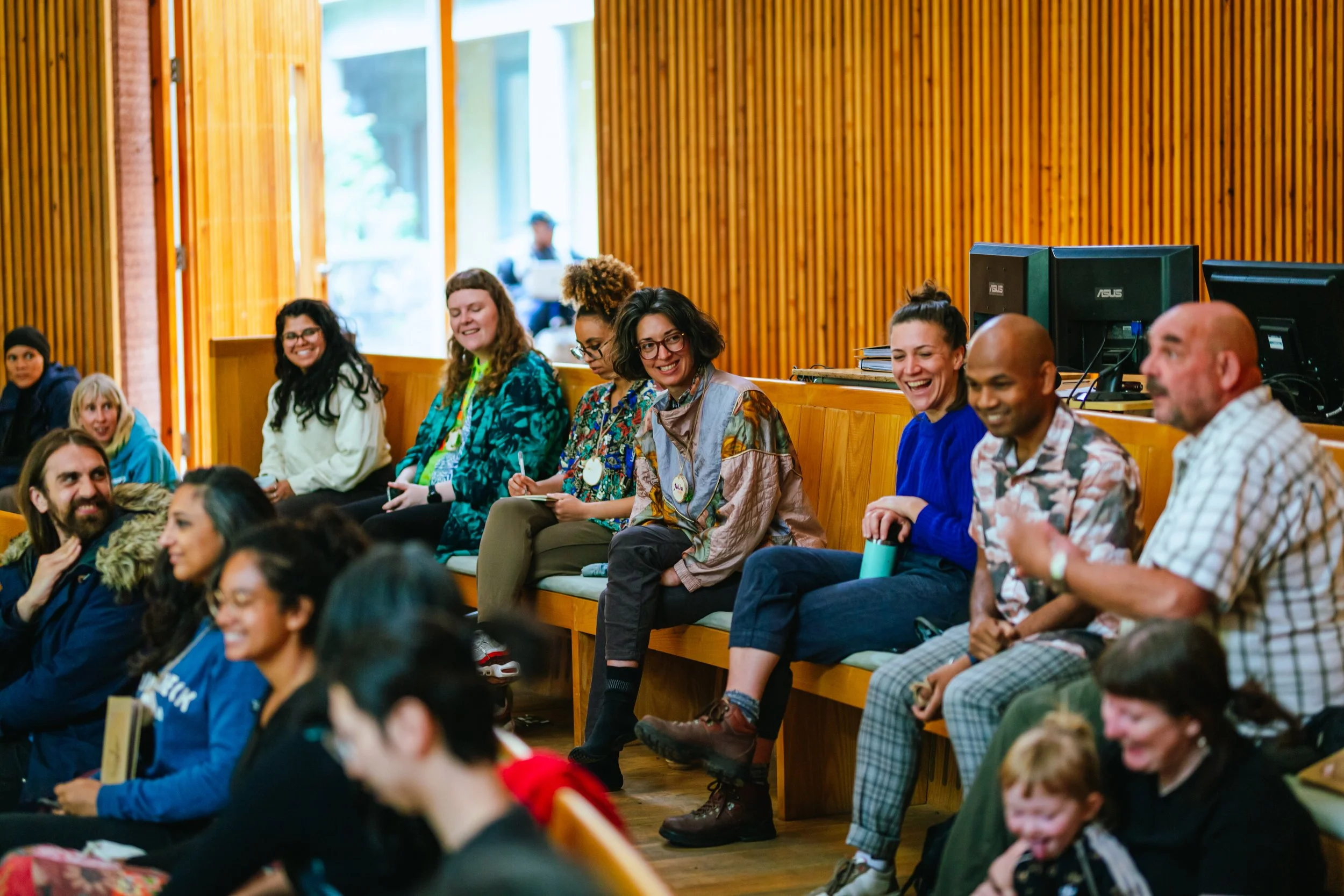
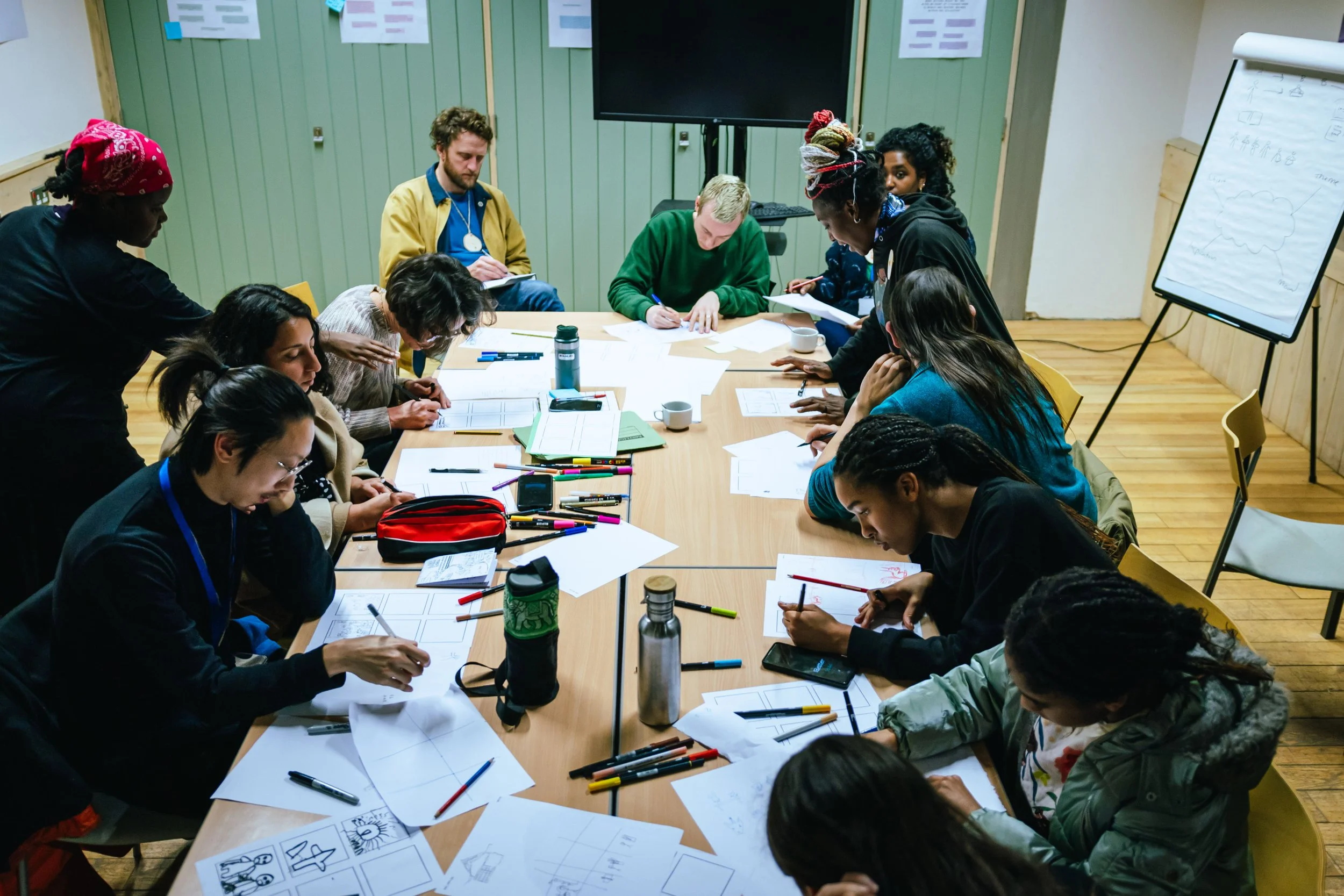
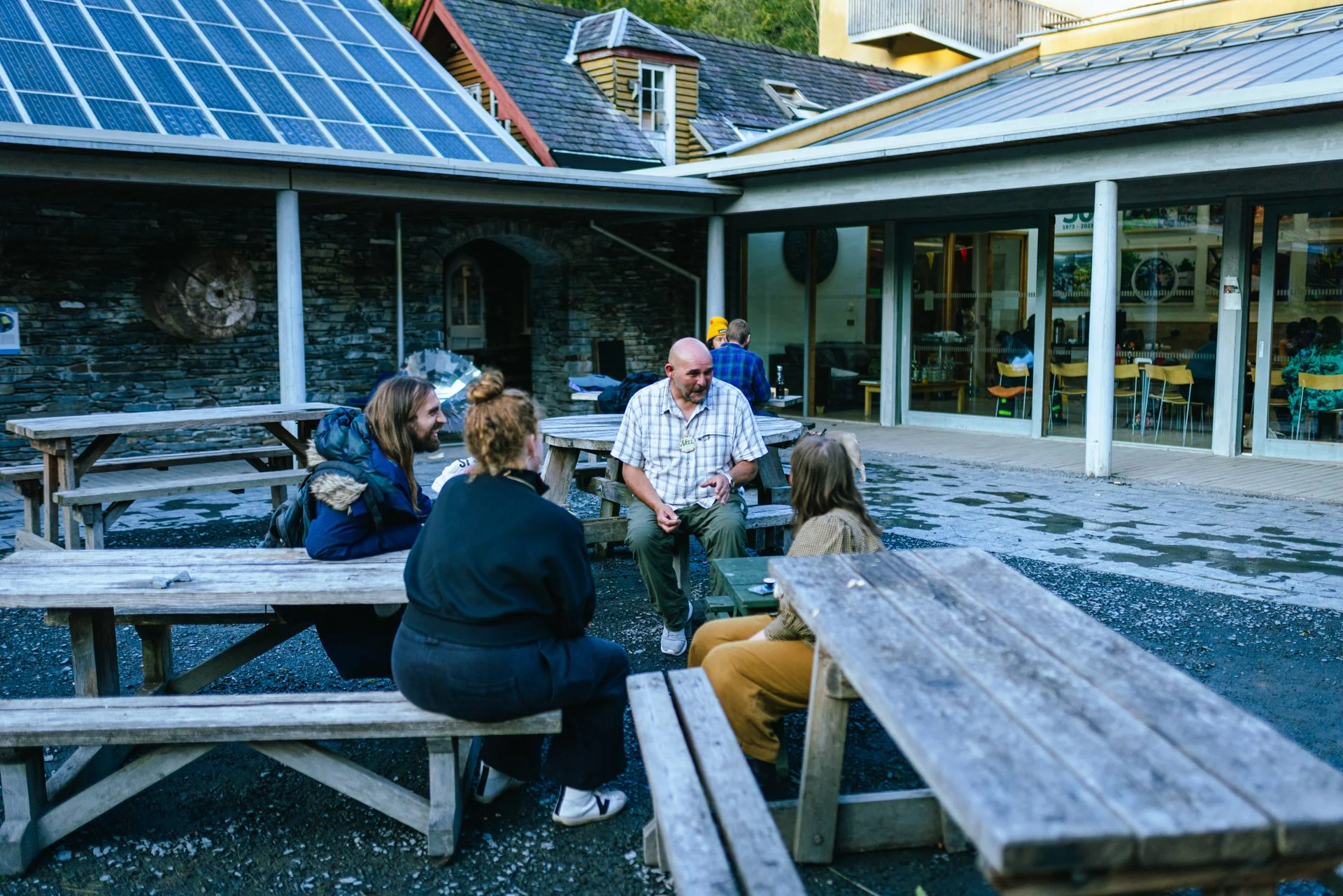
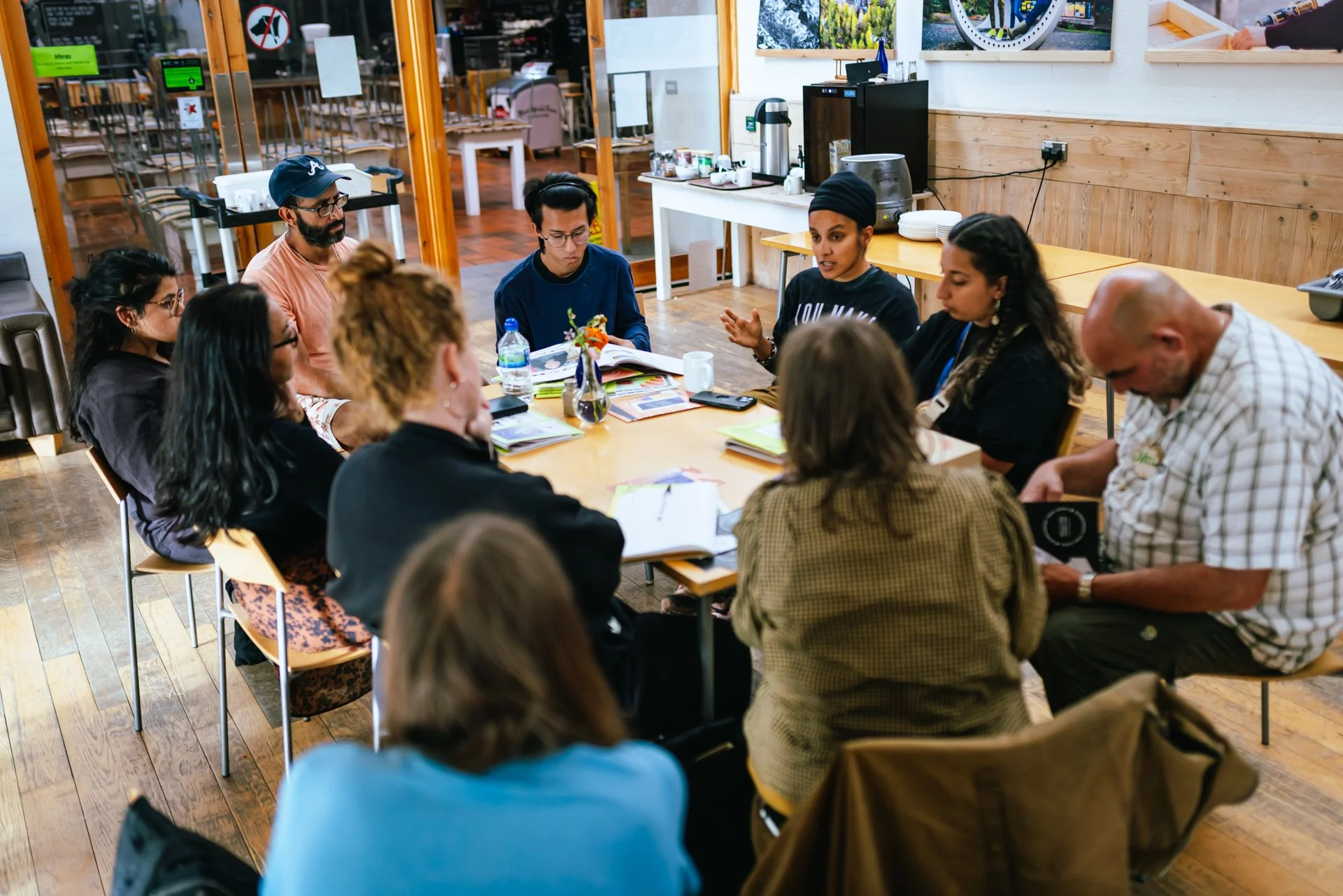
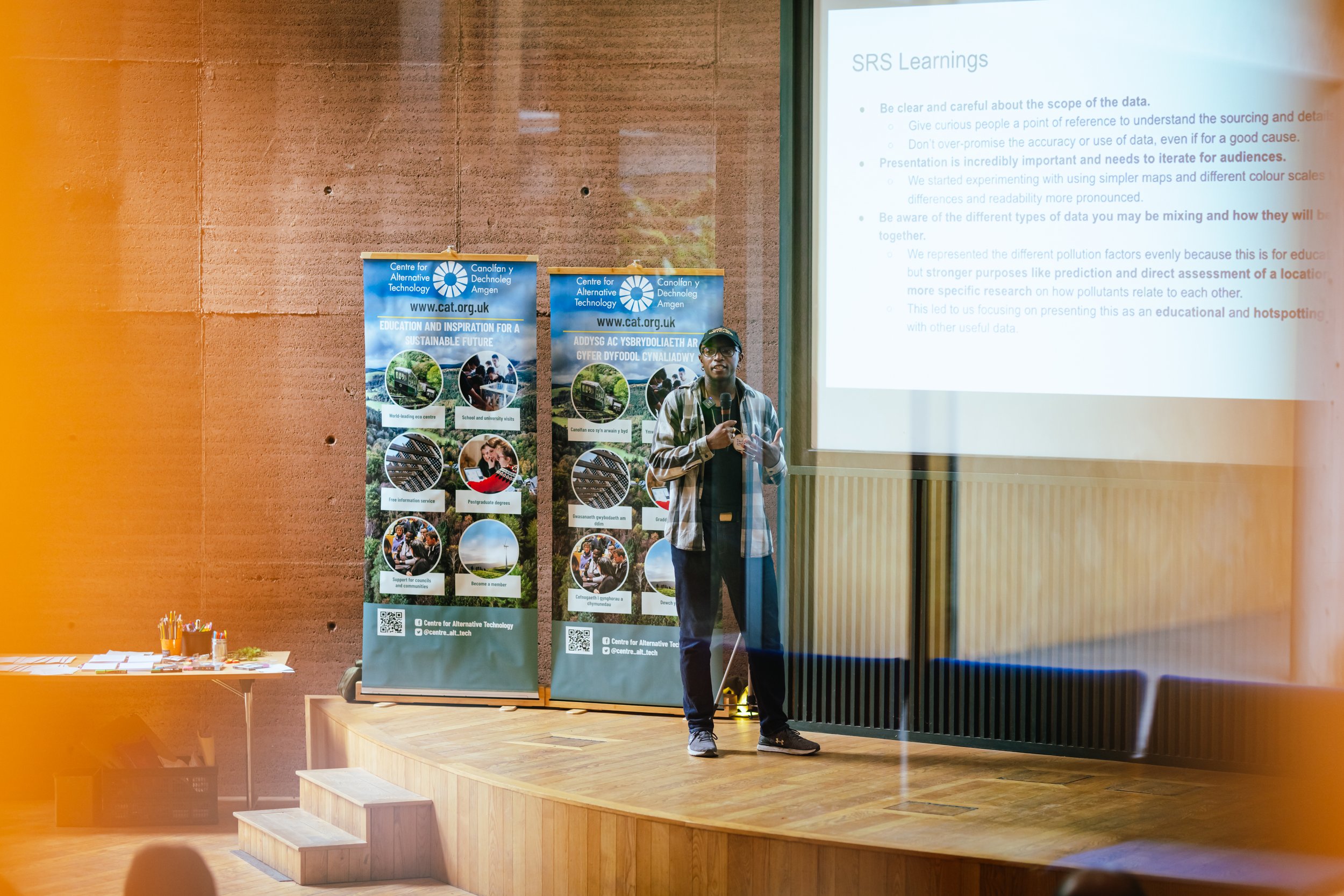
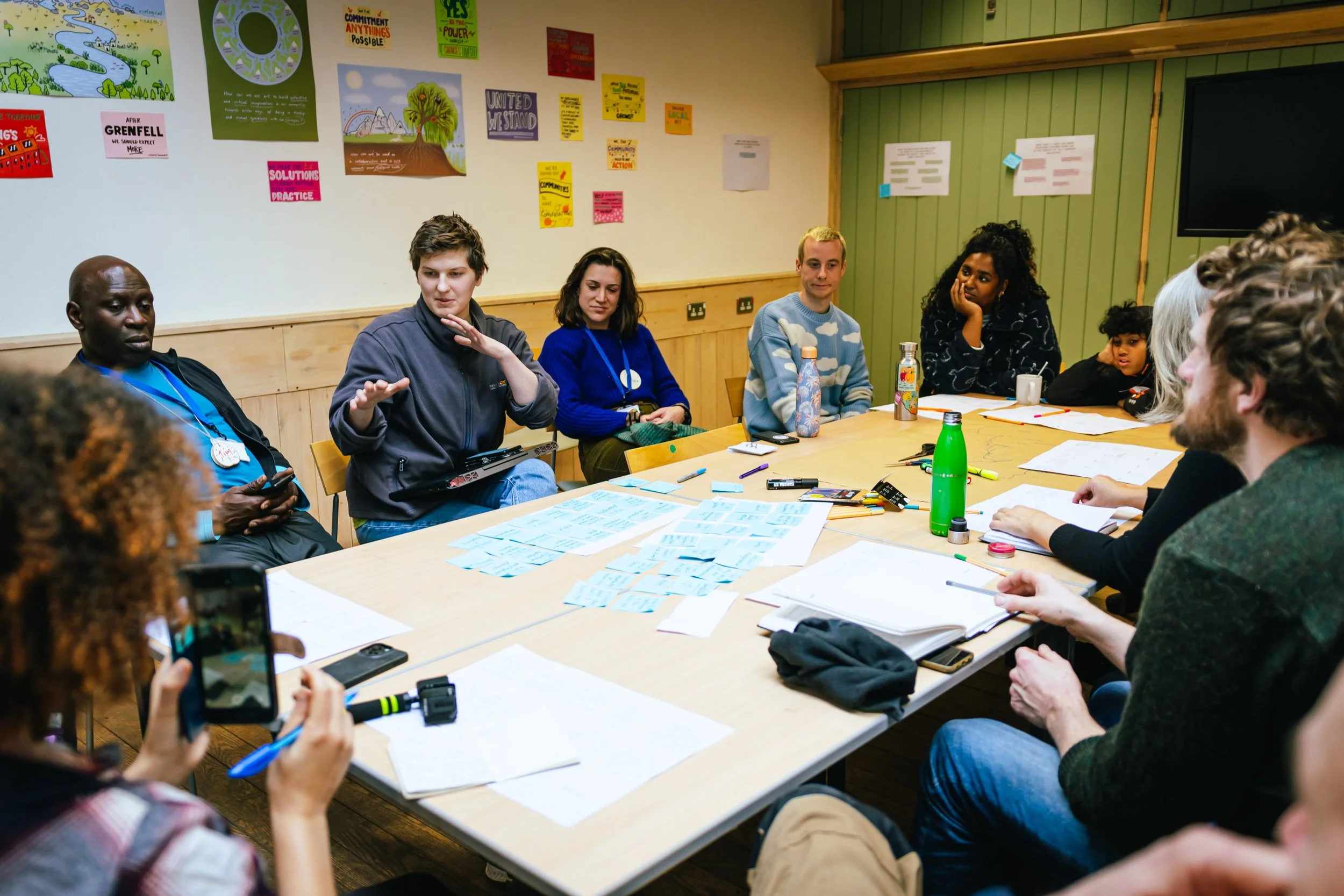
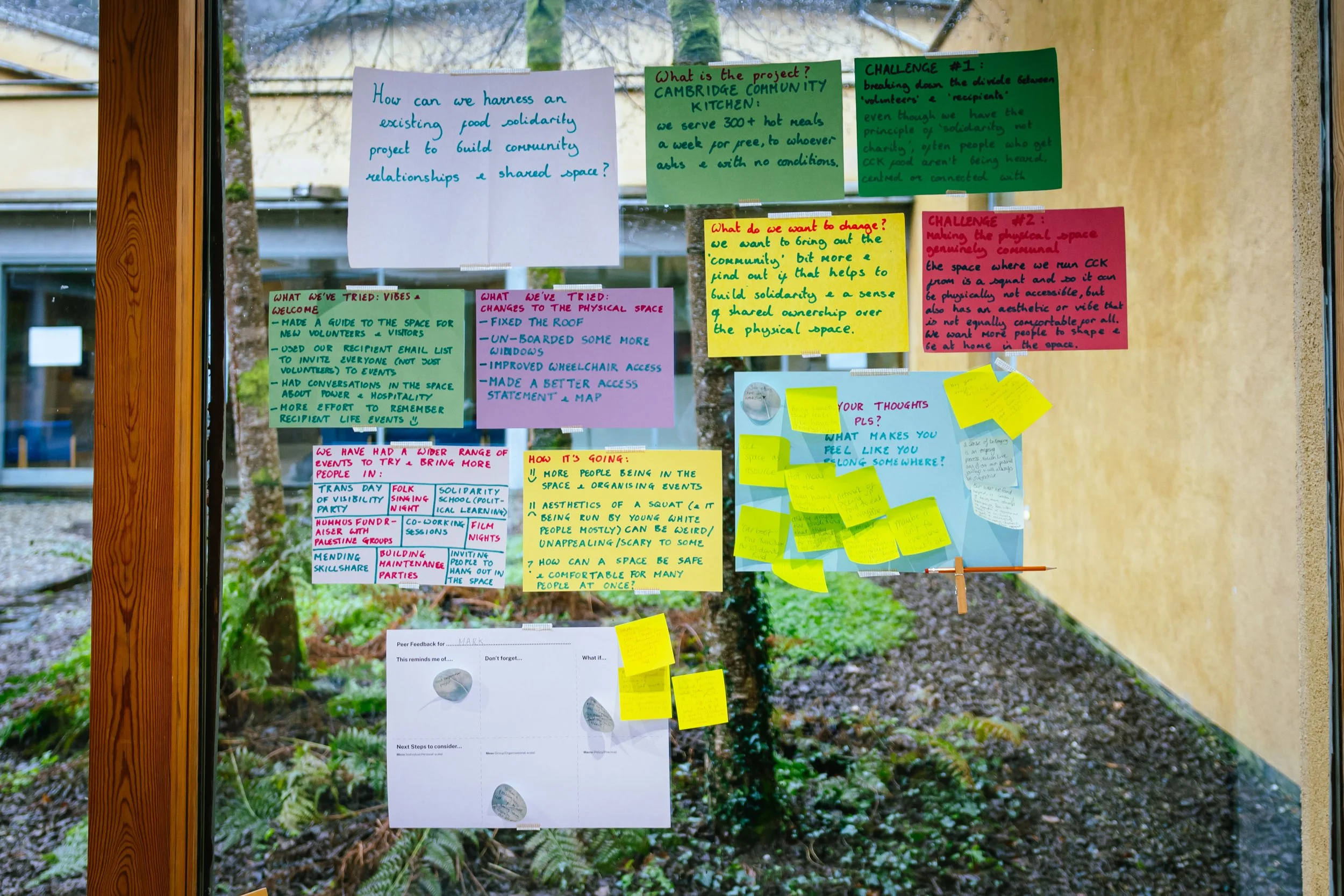
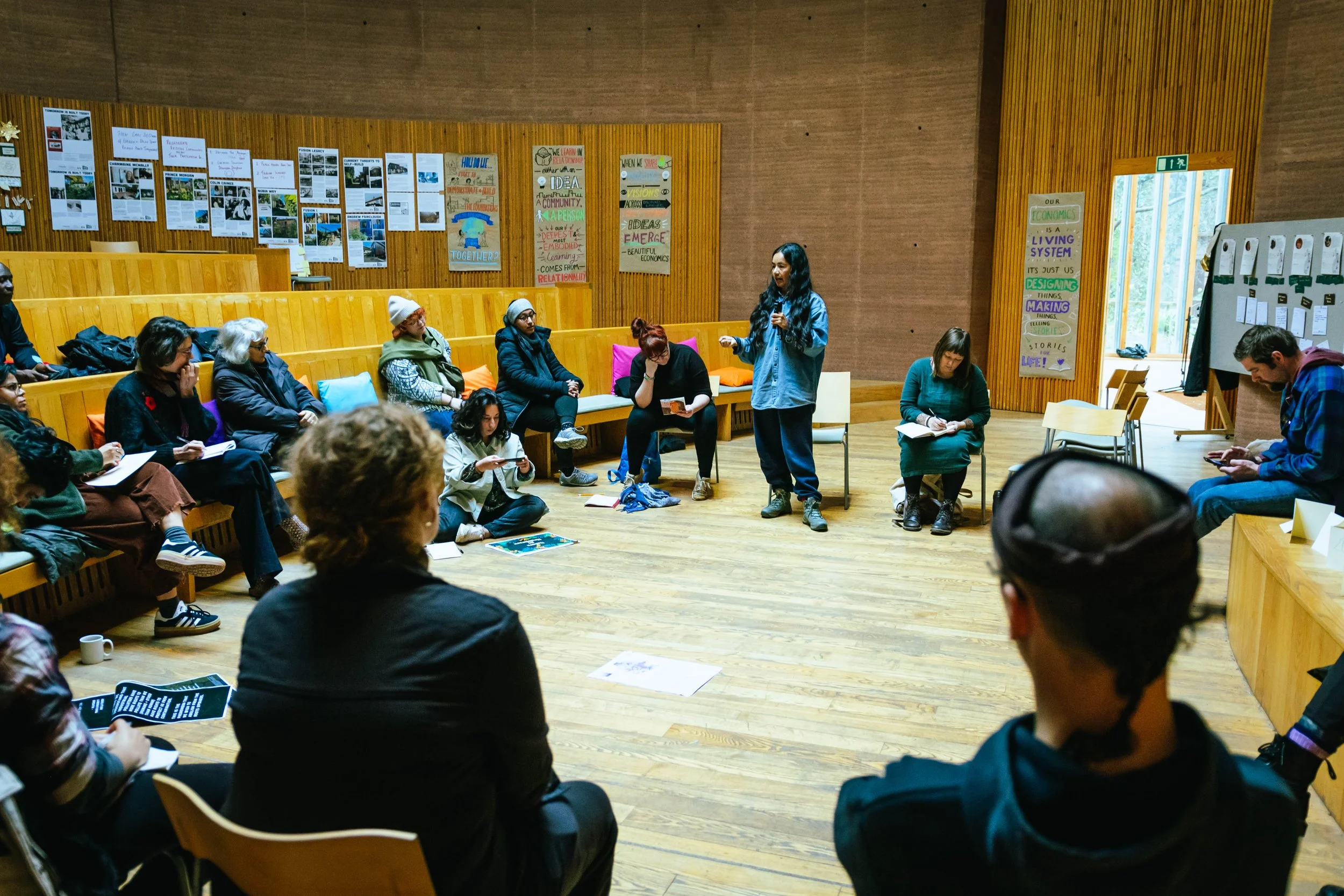
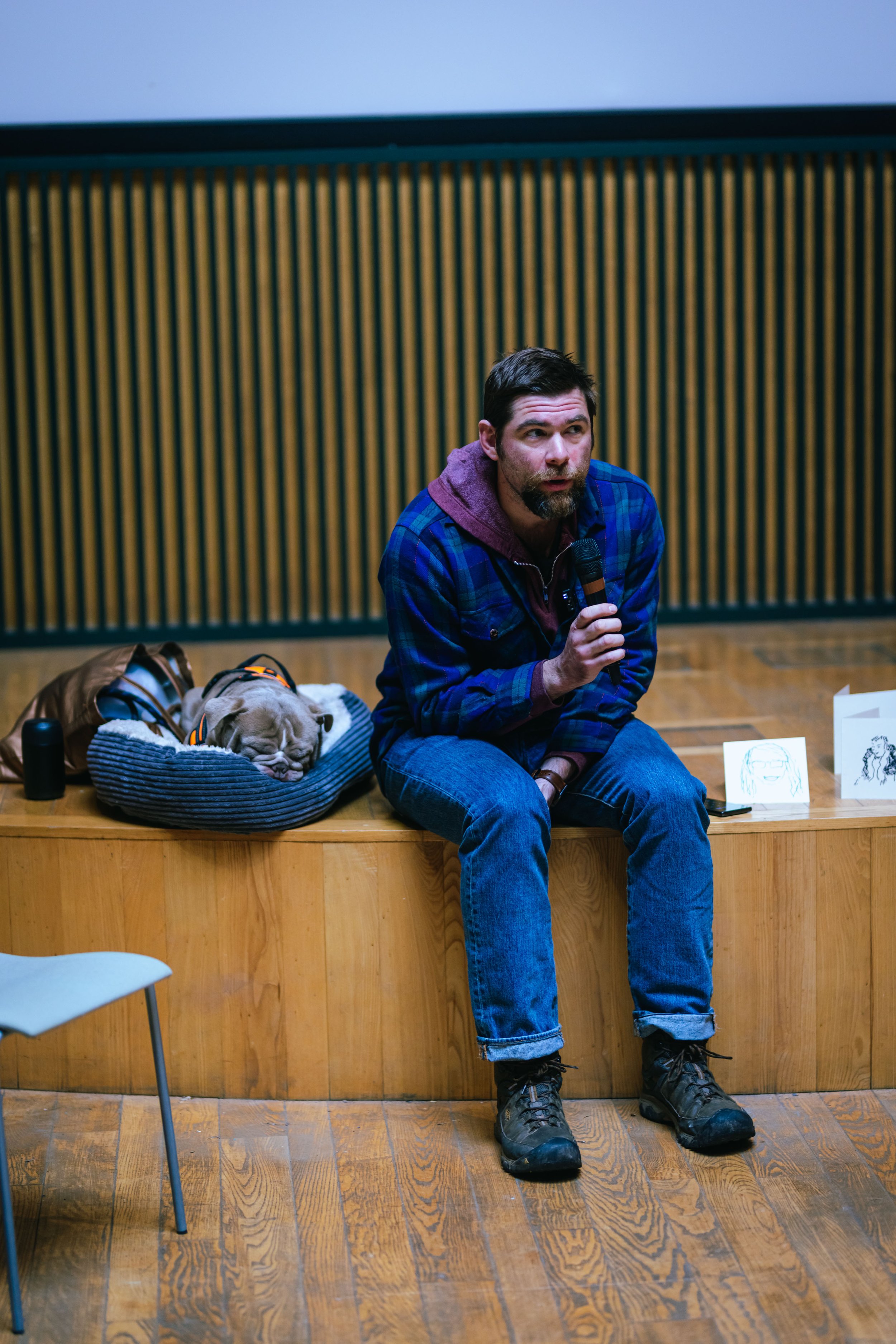
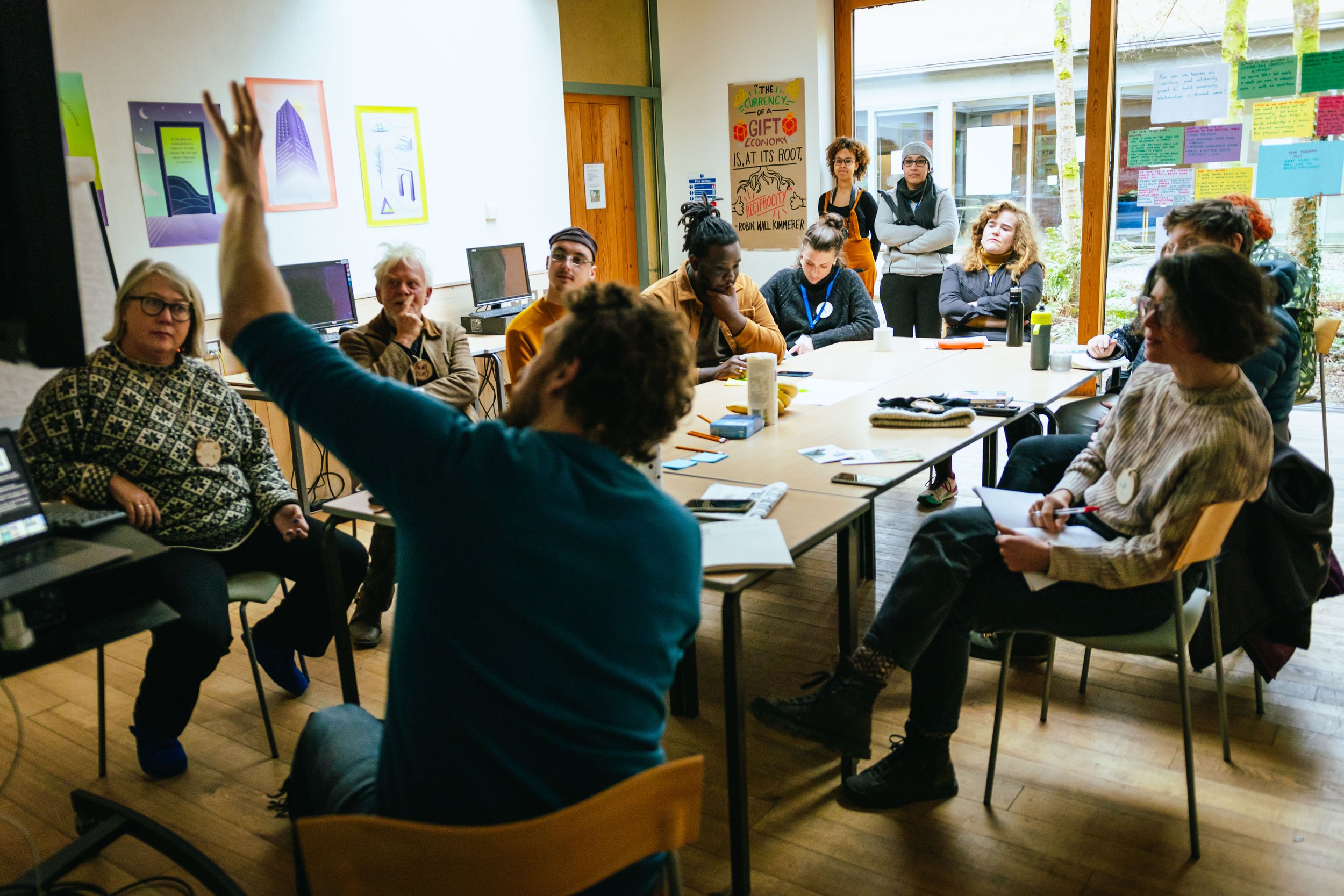
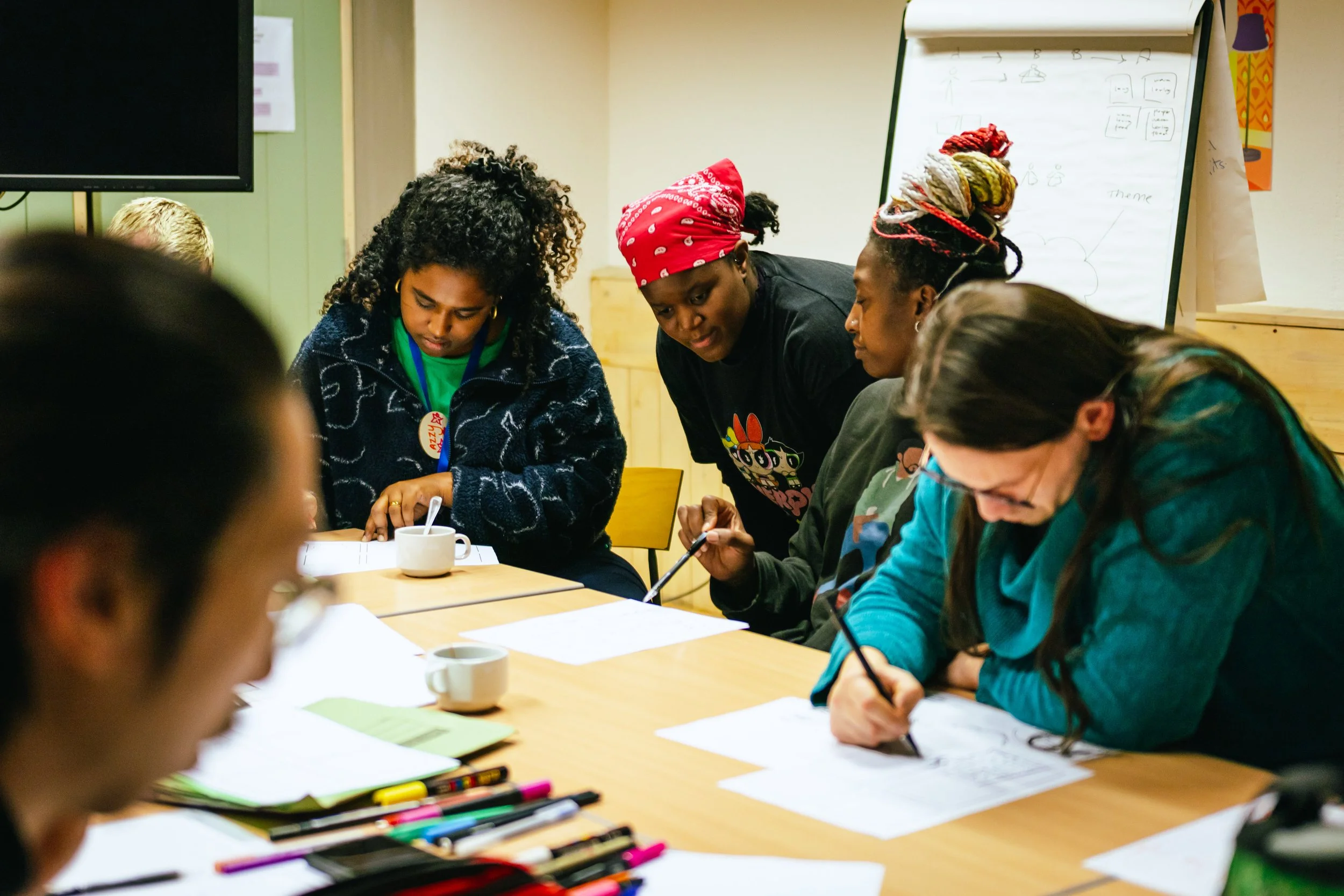
The programme hosted 35 organisers, artists, activists, and researchers from across the UK explore the principles of ecological health and how it applies to their work. The programme consisted of 8 fortnightly virtual workshops on topics from health susceptibility to power dynamics, which led up to the first of 3 in person work-and-joy gatherings at the Centre for Alternative Technology in Machynlleth (Cymru).
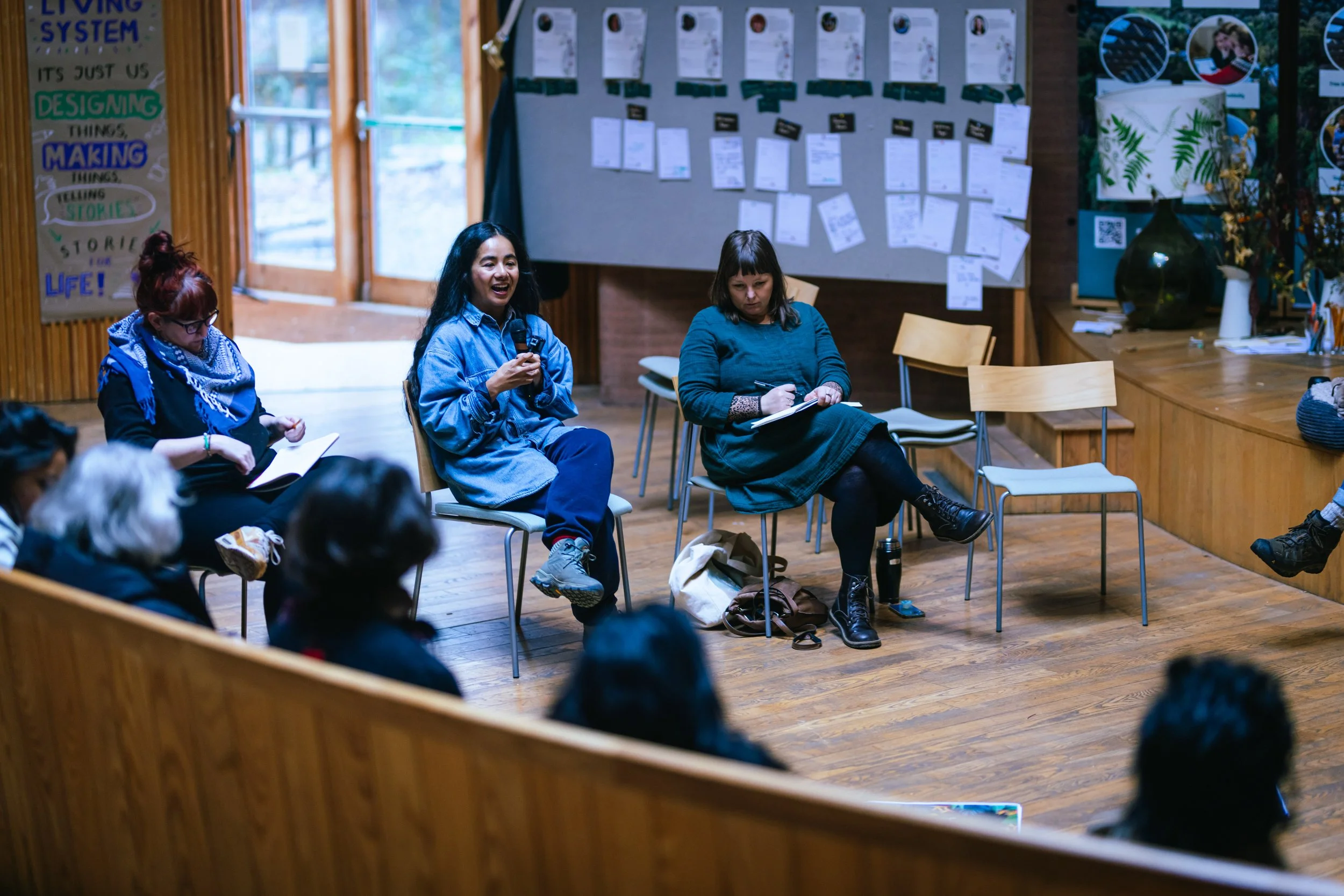
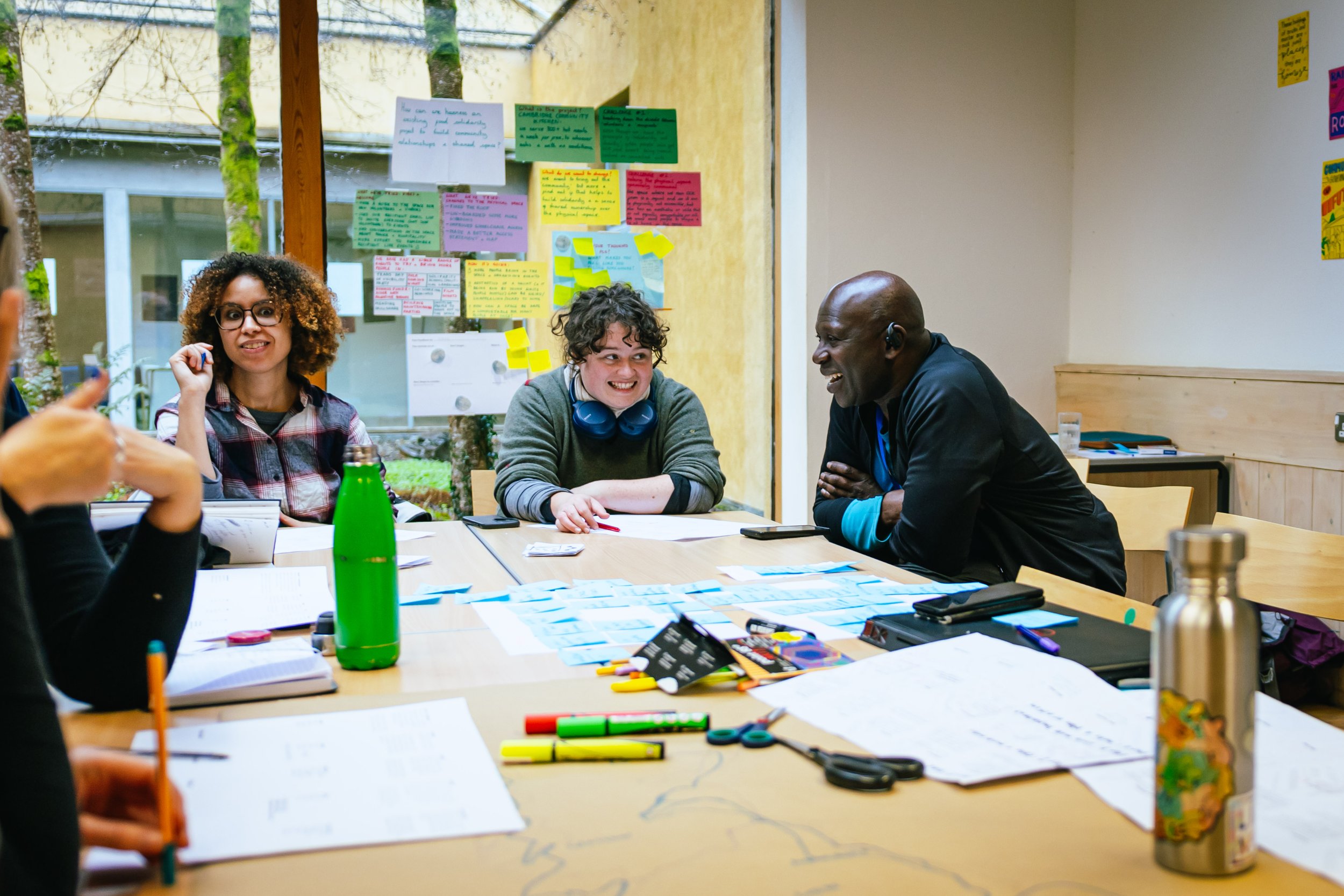
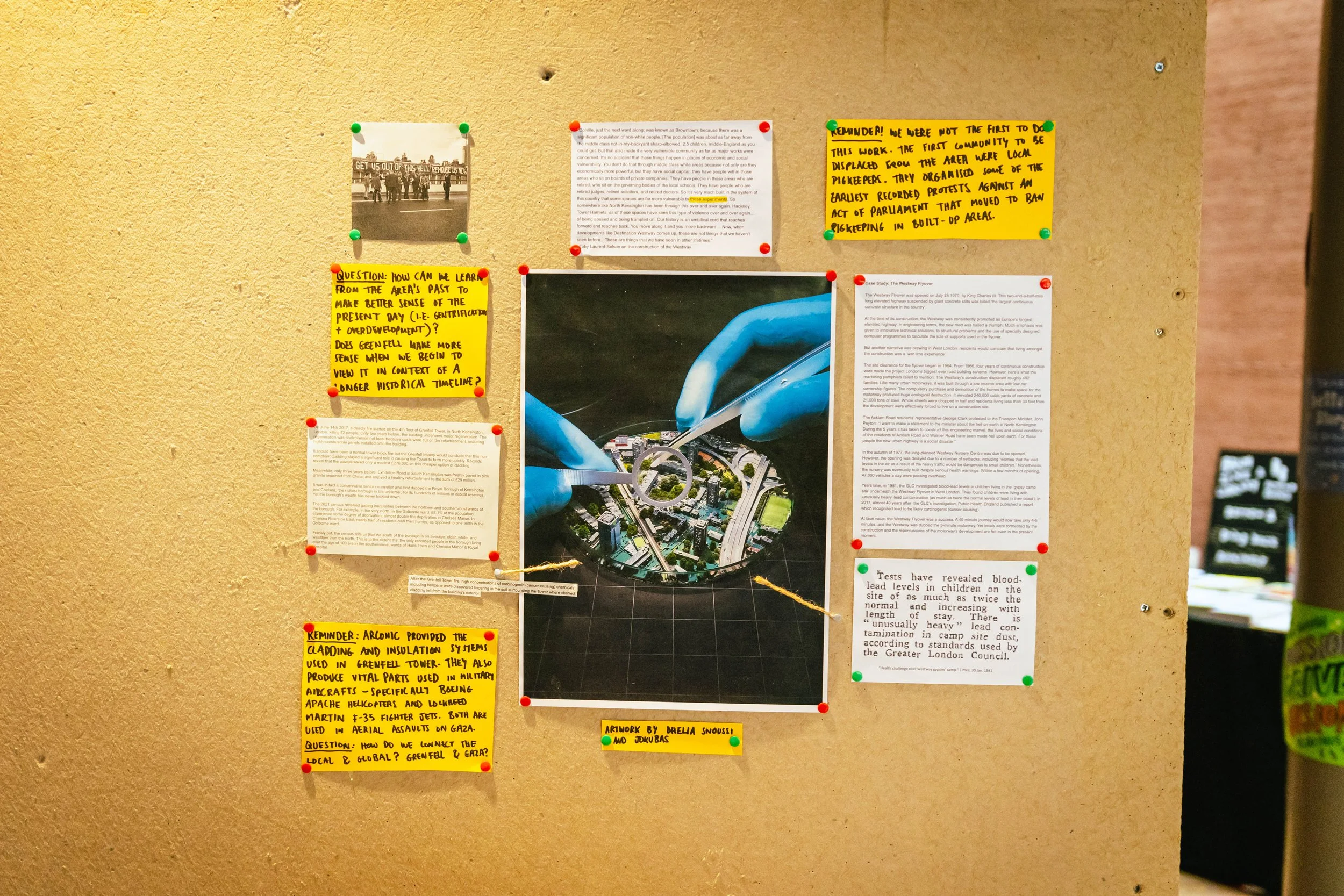
Following the first gathering, the peers were invited to co-design sessions on what would further their learning and practice. The 2nd retreat consisted of peer-led workshops and an exhibition of works for co-working. The 3rd and final retreat focused on consolidating learnings and how the peers all moved forward together. The peers now self-organise virtual and in-person meet ups and regularly support each others work through an ongoing and popular whatsapp group.
Relationships were made, work was influenced, and this collaboration was a demonstration of the need to support organising for the transition to a just and regenerative future that includes multiple practices and imaginations.
It has shaped our work in our neighbourhood and every action I take is through a lens that has been created by this work.
Ross Walker, Director of Bon Volks and Circular Margate
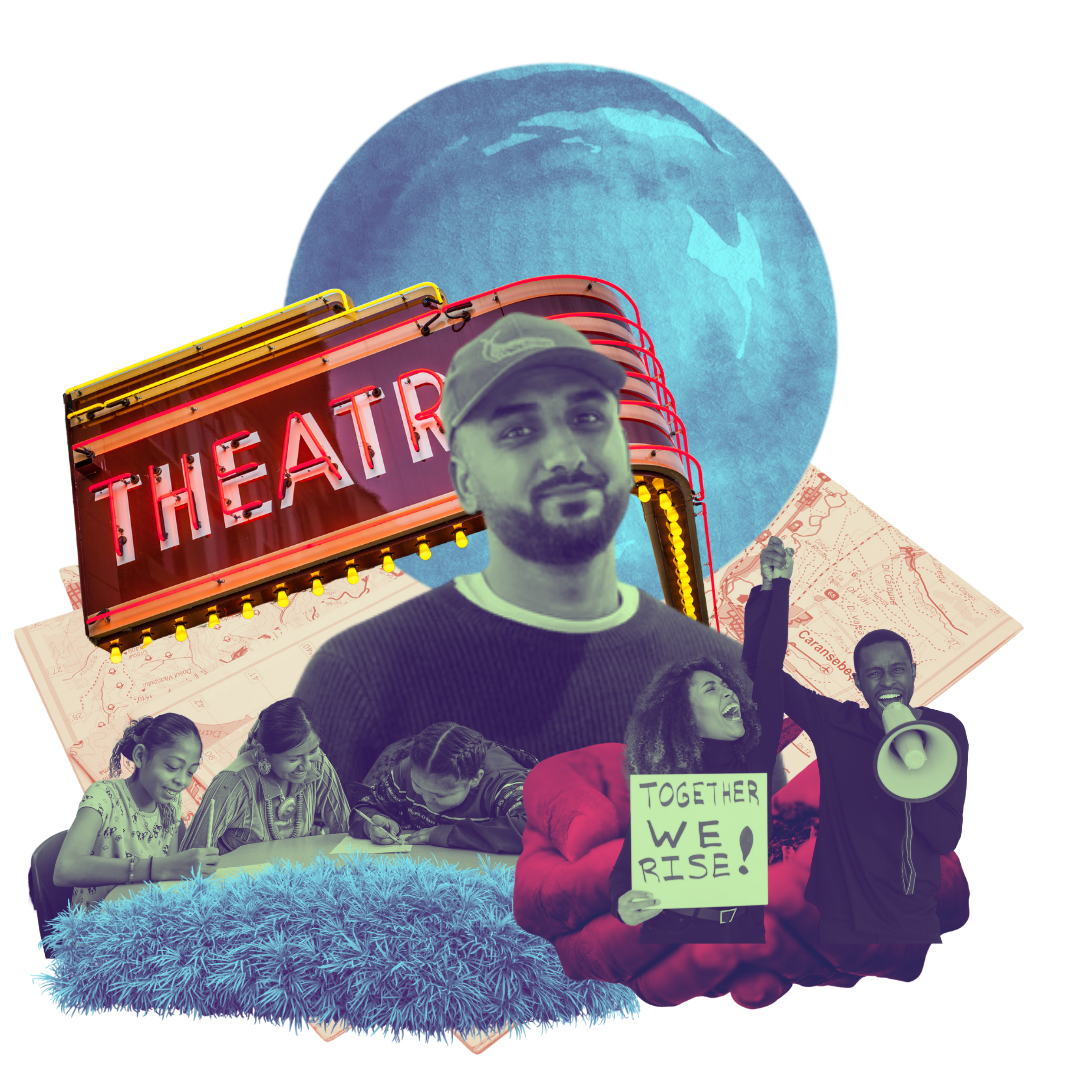
The programme built long lasting relationships and a genuine community. Professionally it has allowed me to start to build an ecological health framework that can be applied to my work.
- Arron Singh Gill, Director, The GAP Arts Project
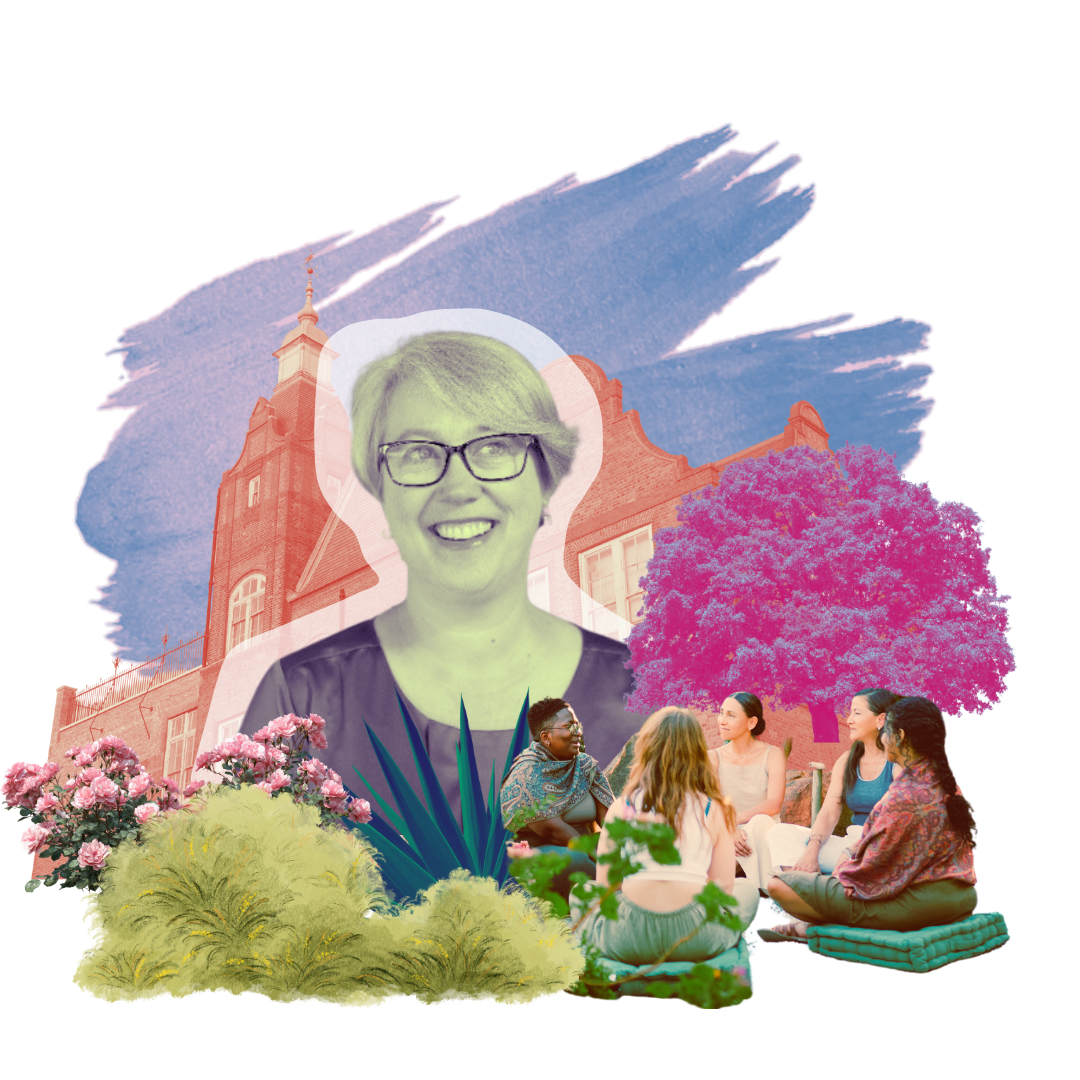
It showed me that working on a small, local level was important and can be impactful, showing people what can be achieved on their doorsteps, by cooperating and working together.
Fiona Kingsman, Open School East
MORE ABOUT THIS PROJECT
-
This journey started when the world was turned upside down in the Covid-19 pandemic and lockdown. During this time the recently launched Civic Square organised a virtual festival of ideas called the ‘Department of Dreams’. Araceli was invited to present and be in conversation with Immy Kaur from Civic Square (watch video here).
Immy had originally begun her university education in medicine and was thus drawn to how Centric Lab were bringing a biological lens to urbanism as a means to support justice movements. Following the presentation, core team members from Civic Square and Centric Lab began a couple get-to-know-each-other virtual conversations. We knew we like each other, shared similar framings and schools of thought, and had a similar goal: how do we leverage our skills to build capacity in organisers and changemakers.
Immy set us a task of what would it mean for local residents in Ladywood, Birmingham to set up their own urban health council. Following this proposition, and in context to other demonstrator work Civic Square were producing, funding from major UK charities was made available to turn a programme designed for 5 into 35.
-
The purpose of this collective journey is to create the space and time for communities advocating for justice in their neighbourhoods to imagine, learn, and grow their own ecosystems, frameworks, and practices for healing through non-western epistemologies, data knowledges, and Kinship.
The belief is that we are all humbly picking up the baton from those who came before and have shown us that neighbourhoods can be places of dreams, revolutions, and hubs of justice. For example, in 1969, The Black Panthers established free medical clinics in neighbourhoods to provide racialised Black Peoples with the healthcare they deserved. This was a communal effort between communities and health practitioners, and is just one example that drives us in what is possible when we organise, learn and dream together, acknowledging that social justice is intrinsically entwined with health justice.
The common goal will be to share knowledge, ideas and energy openly and generously in order to take action in neighbourhoods, with a focus on live and regular organising in place.
-
Civic Square and Centric Lab first started by setting out how we would work together. Having set the ground work over the previous 2 years it became quite straightforward for us. We identified our skills sets and started designing a learning journey.
Knowing the importance of organising, dreaming, and practising together in person we designed a virtual learning journey that prepared people for creating in person. Lessons included:
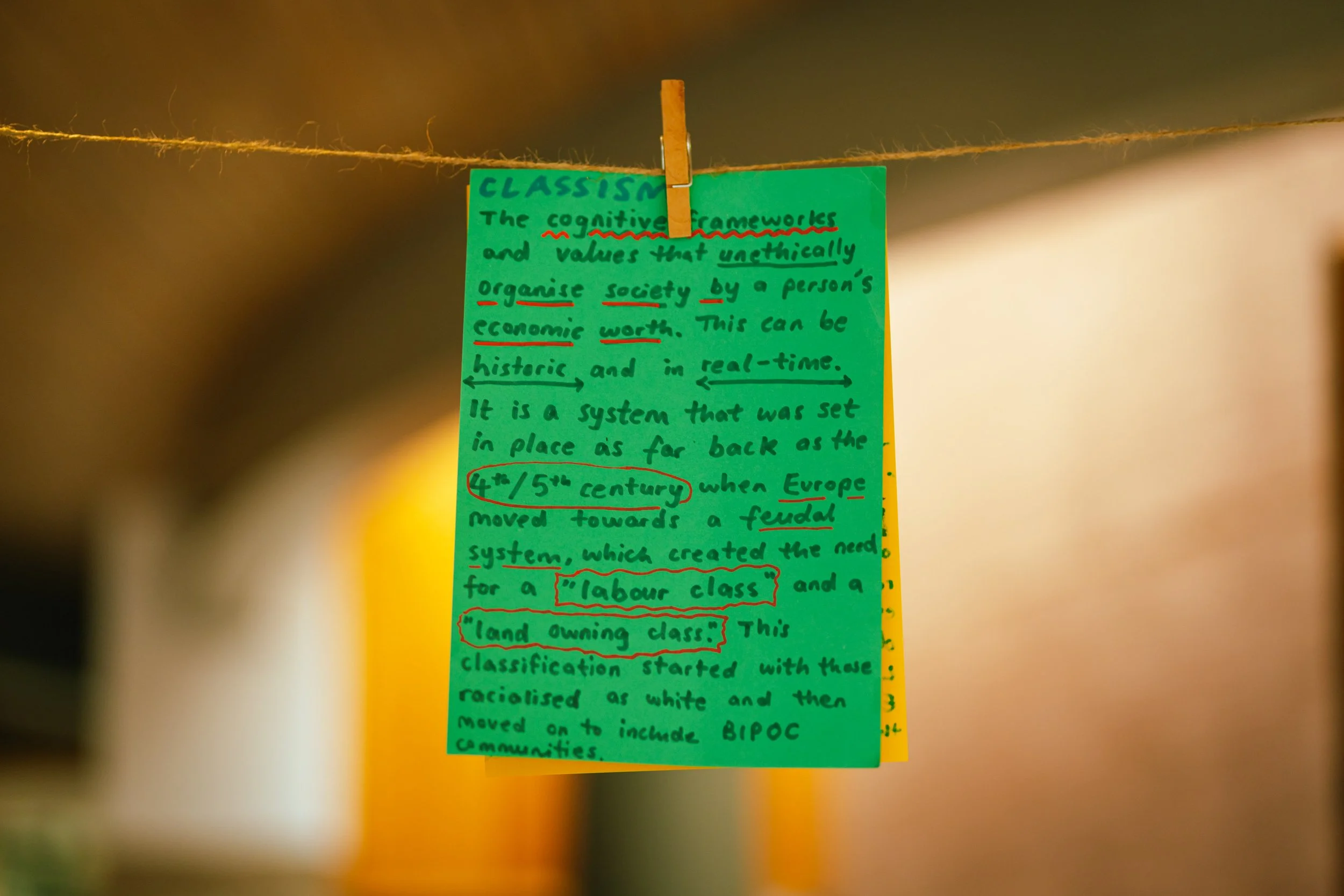
The Importance of Language Mini lectures
Psychological Safeguarding
Systems of Power
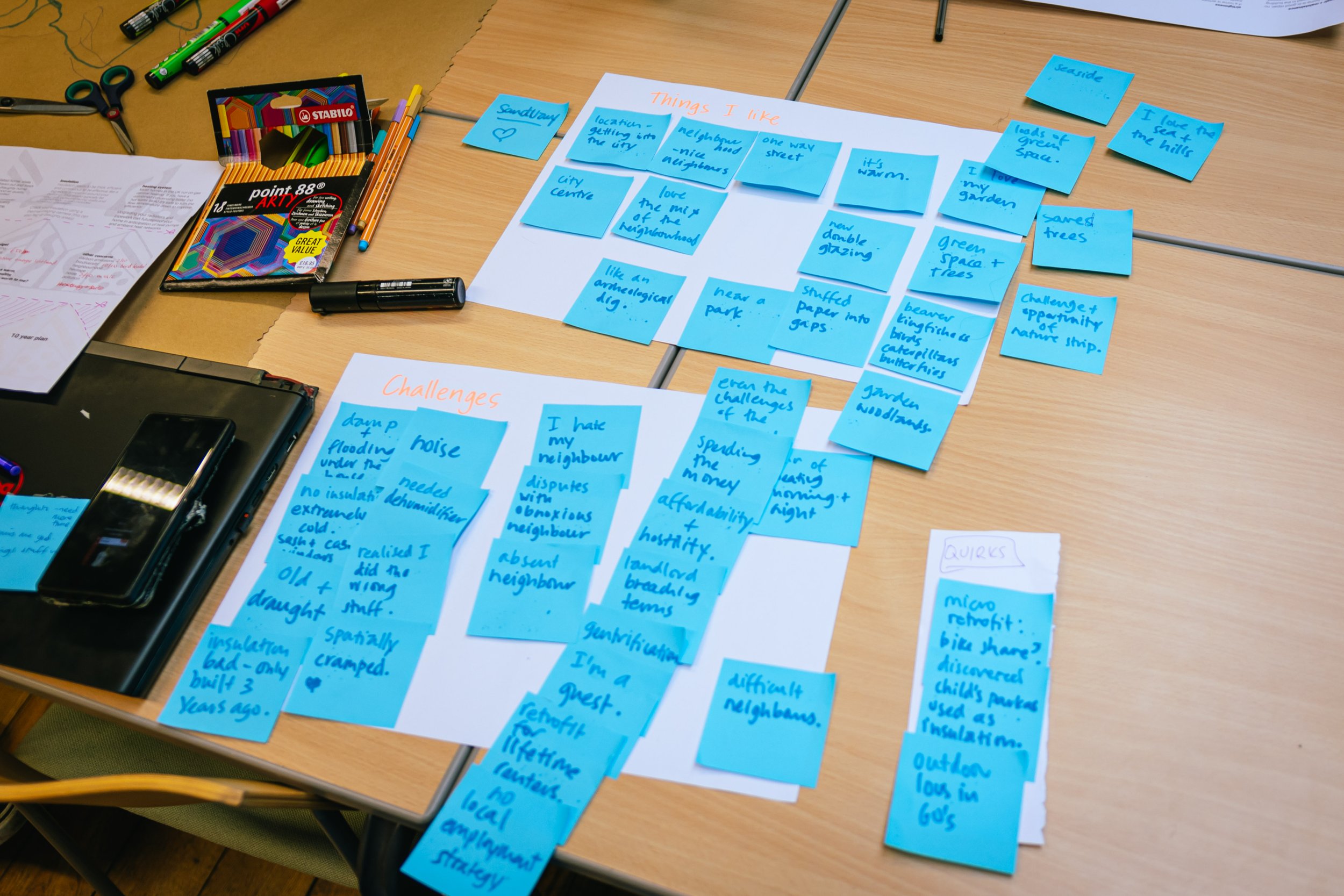
Neighbourhoods for Healing: An Imagination Lab
Identifying Tools and Approaches
The 8 x 2-hour evening sessions were designed by CS & CL as mini learning journeys that had guest speakers including Guppi Bola, Prof. Ilan Kelman, Dr. Patrick Williams, Alastair Parvin, and the CoLab Dudley team.
The Peer Notion page is available for those who want to have a look here.
Whilst these lessons took place we were designing the first retreat at the Centre for Alternative Technology that was to take place in late August 2023. This first retreat was intended to build on the virtual lessons and a series of interactive talks and light workshops were arranged around other learning activities at CAT.
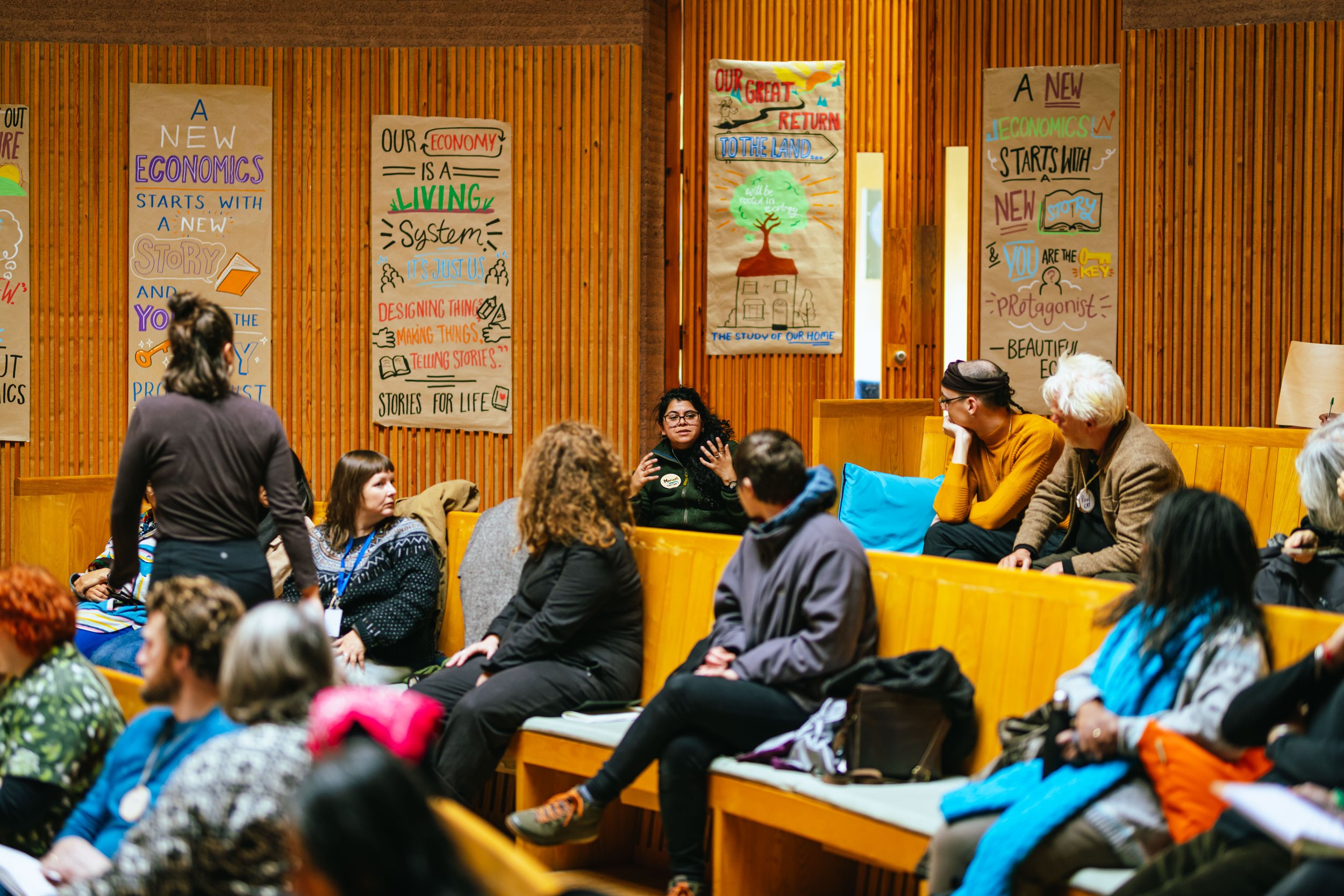
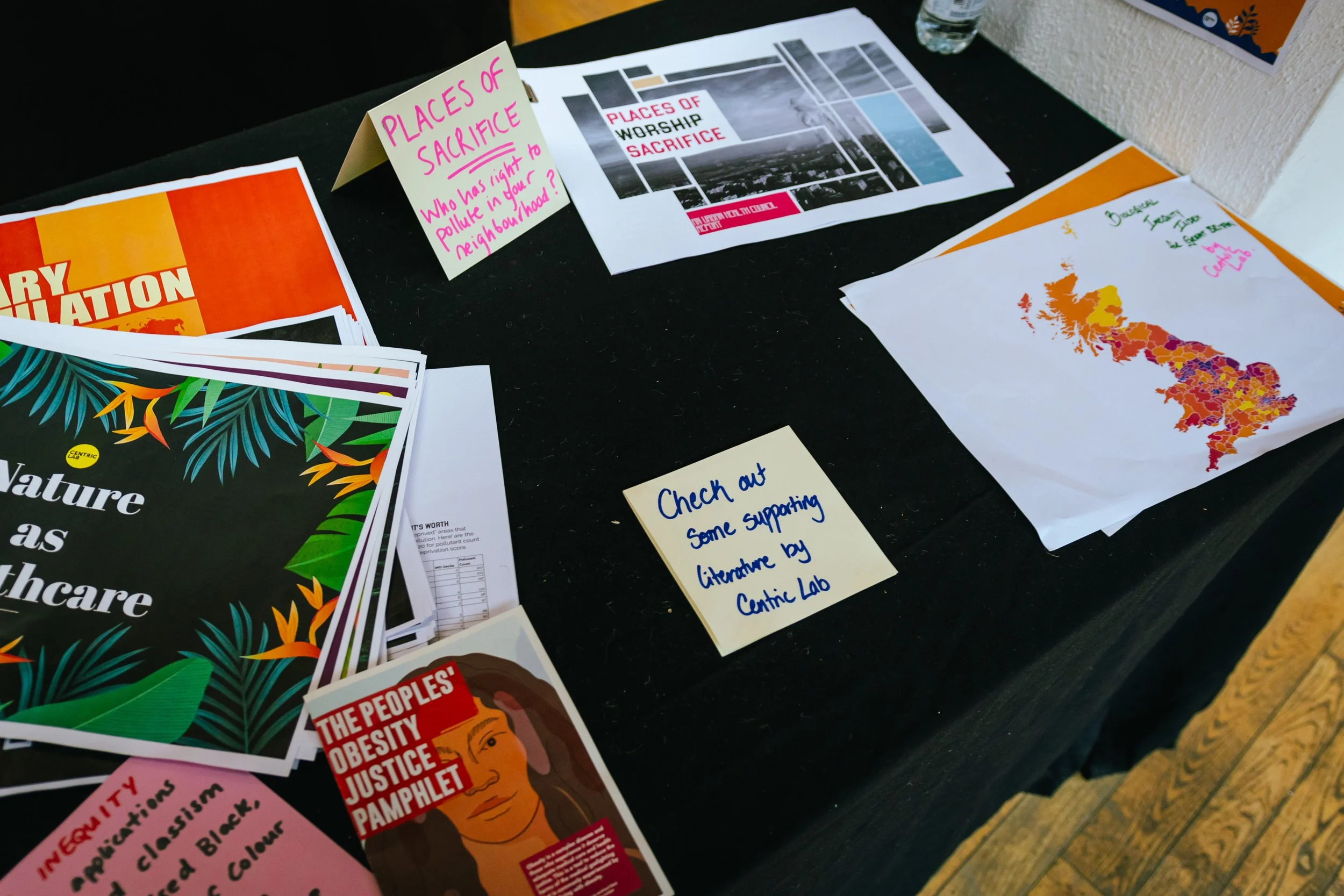
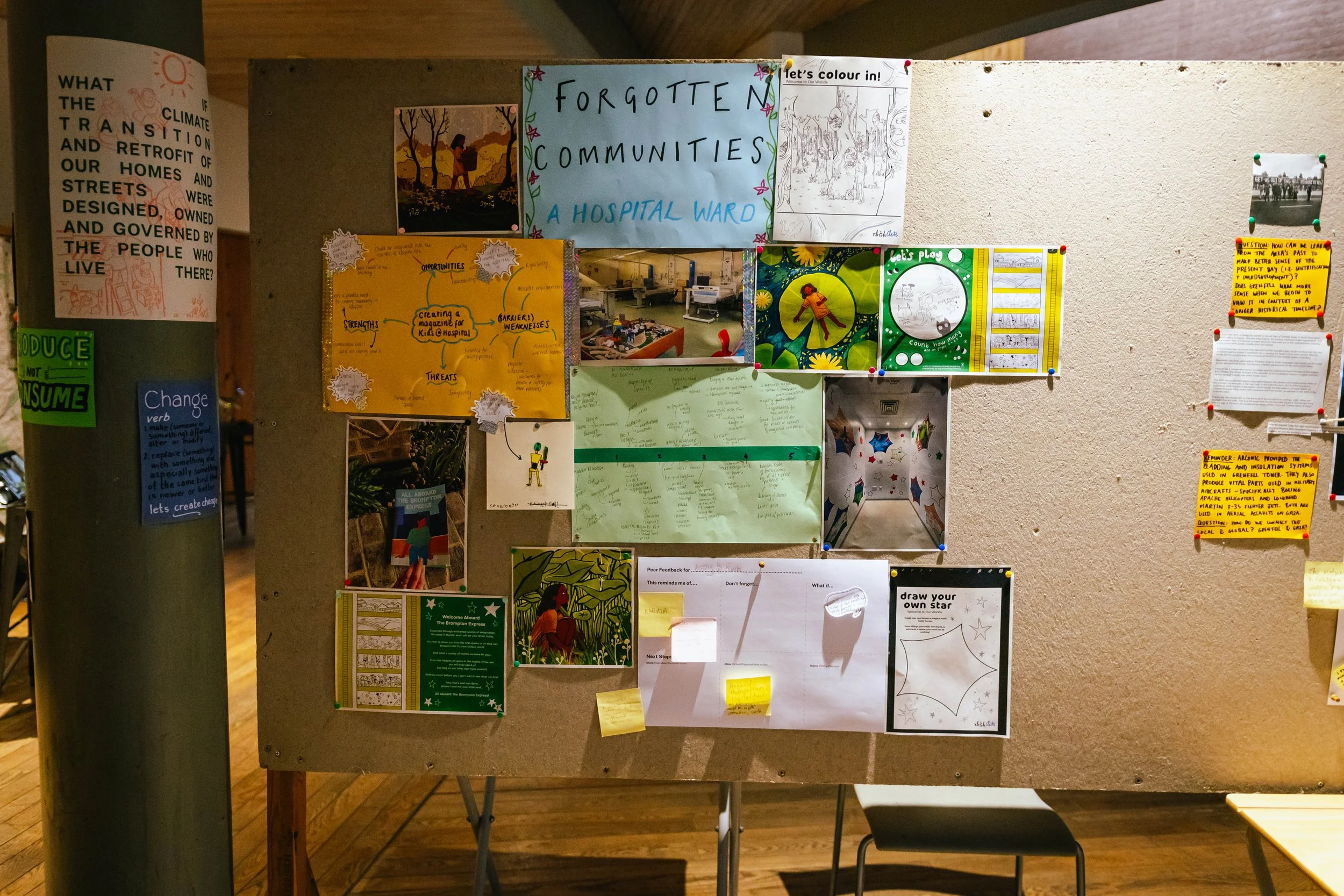
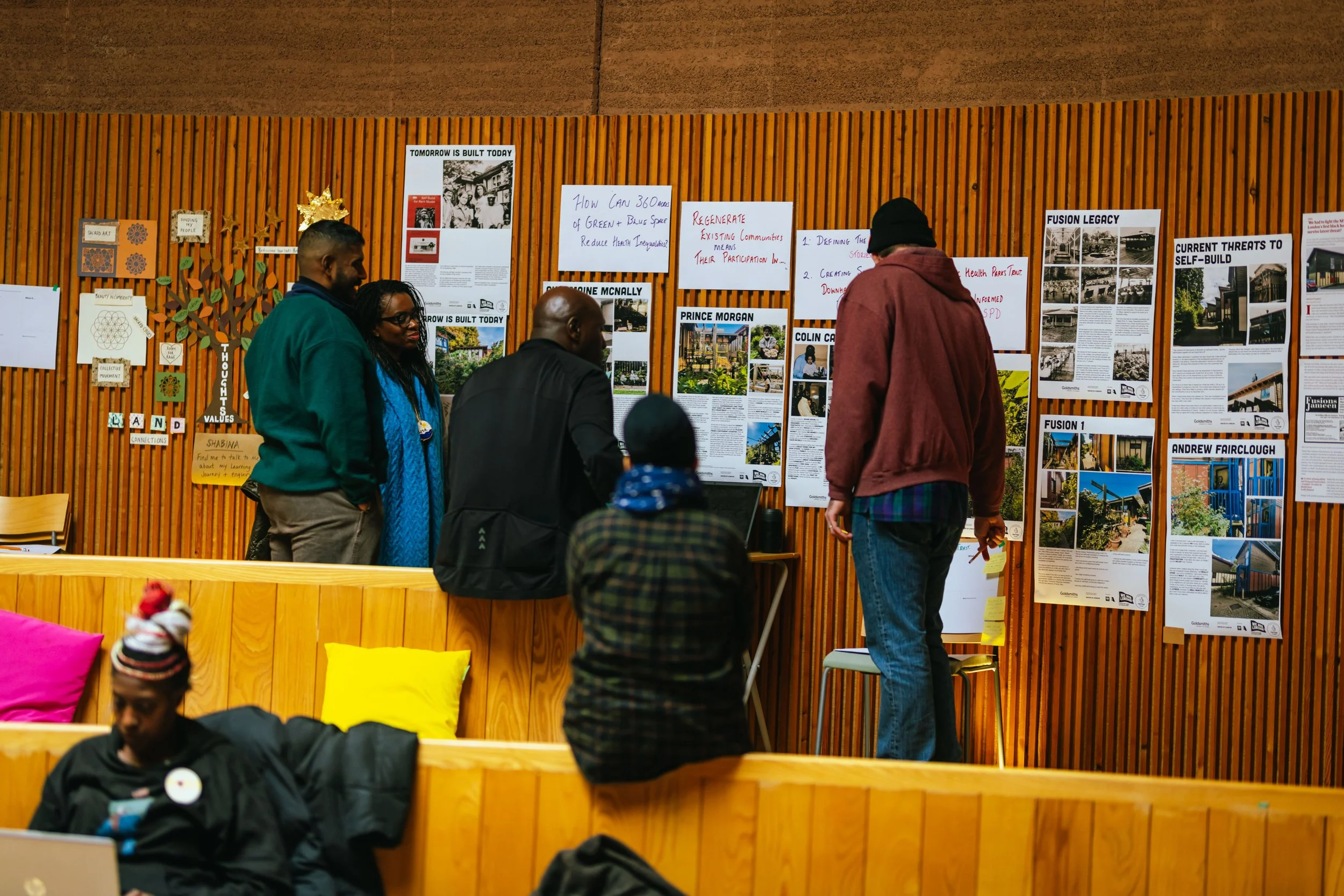
Following this retreat the peers were asked to reflect on the 6 months they’d been coming together to learn and prepare for the December 2023 retreat which focused on advancing their work. A number of intimate and group sessions were held to help people. In December the peers were asked to display their work in exhibition style where group critiques and workshops took place - this was perhaps the most exciting part of it all as organisers!
From December through to March 2024 the peers were given further mentoring and advice on their work. Nearly all peers returned for the final retreat to solidify their learnings and how they were intending to take everything forward. A number of peer-designed workshops were arranged.
-
Ecological Health as a phenomena became more recognised by organisers, artists, creatives, researchers and activists. The idea of mapping systems and recognising there are multiple determinants at play became more apparent. Equally, so did organising strategies.
Feedback from peers demonstrated that by curating a programme that centred the learning experience as a collective (and joyful one) it was able to make approaching overwhelming topics easier.
The peers continue to self-organise as a network with regular virtual and in-person meetups. The group WhatsApp channel is very active and a home for sharing ideas, projects, and points of action.
-
When two organisations come together to collaborate on a longer, more intense piece of work it’s essential that good groundwork has already been done. This helps mitigate organisational, production, and personal risks. Equally, by learning about each others practices, skills, and goals it can help arrange everyone into a team acting as one, rather than two organisations competing for relevance and goal success.
When inviting people into a space that actively discusses difficult and in-real time harmful issues; such as structural racism, climate inequity, social polarisation, it’s essential to build a common understanding and working agreement. This also helps put in place the slowness in which people are asked to discuss heavy topics with people they don’t know. Allowing people to understand, and share, the environment leads to a more productive space for collaboration and co-learning.
Ecological Health is a unifier. As it is systems related, it brings together an array of people working in different areas and complimentary skill-sets.
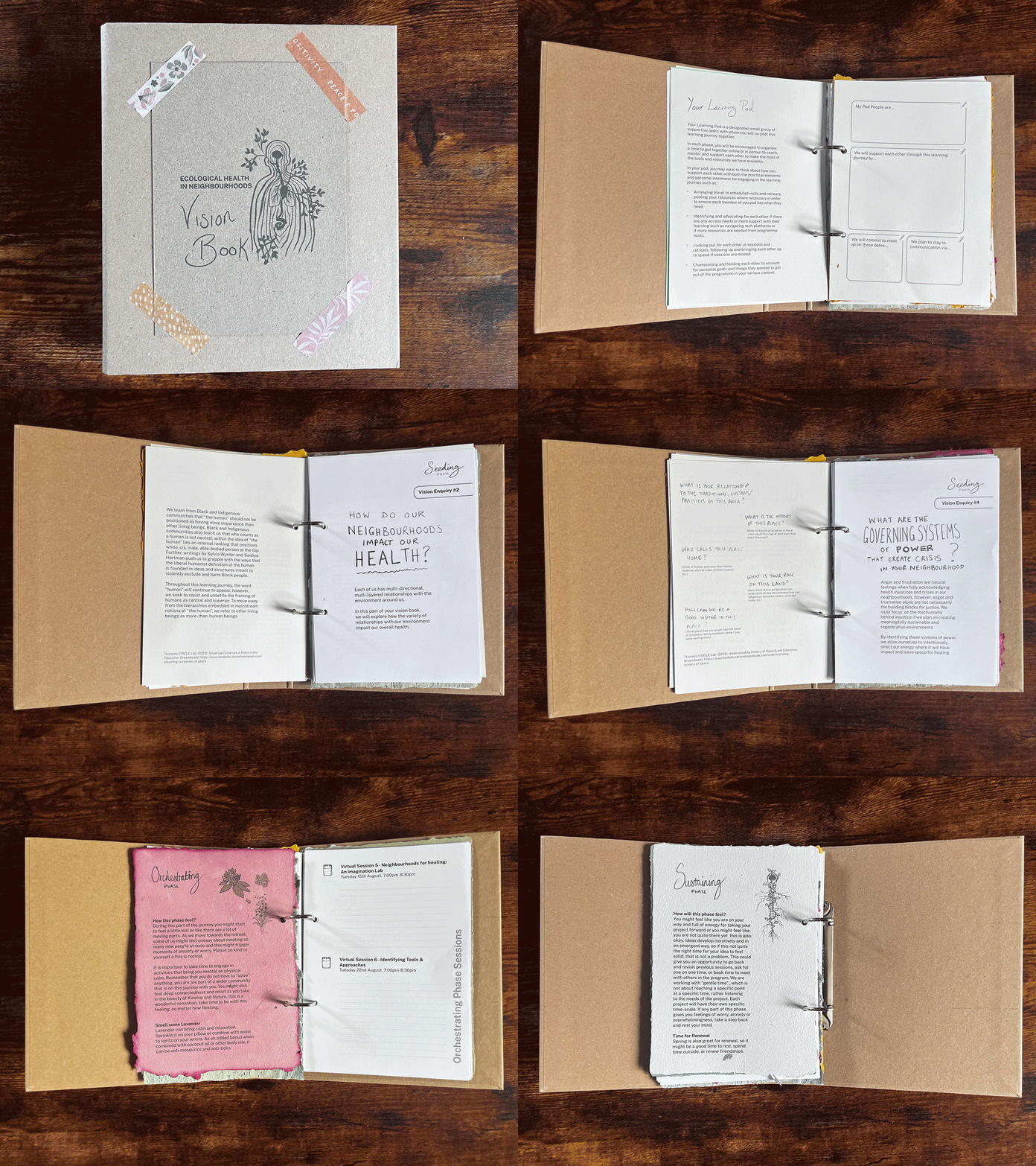
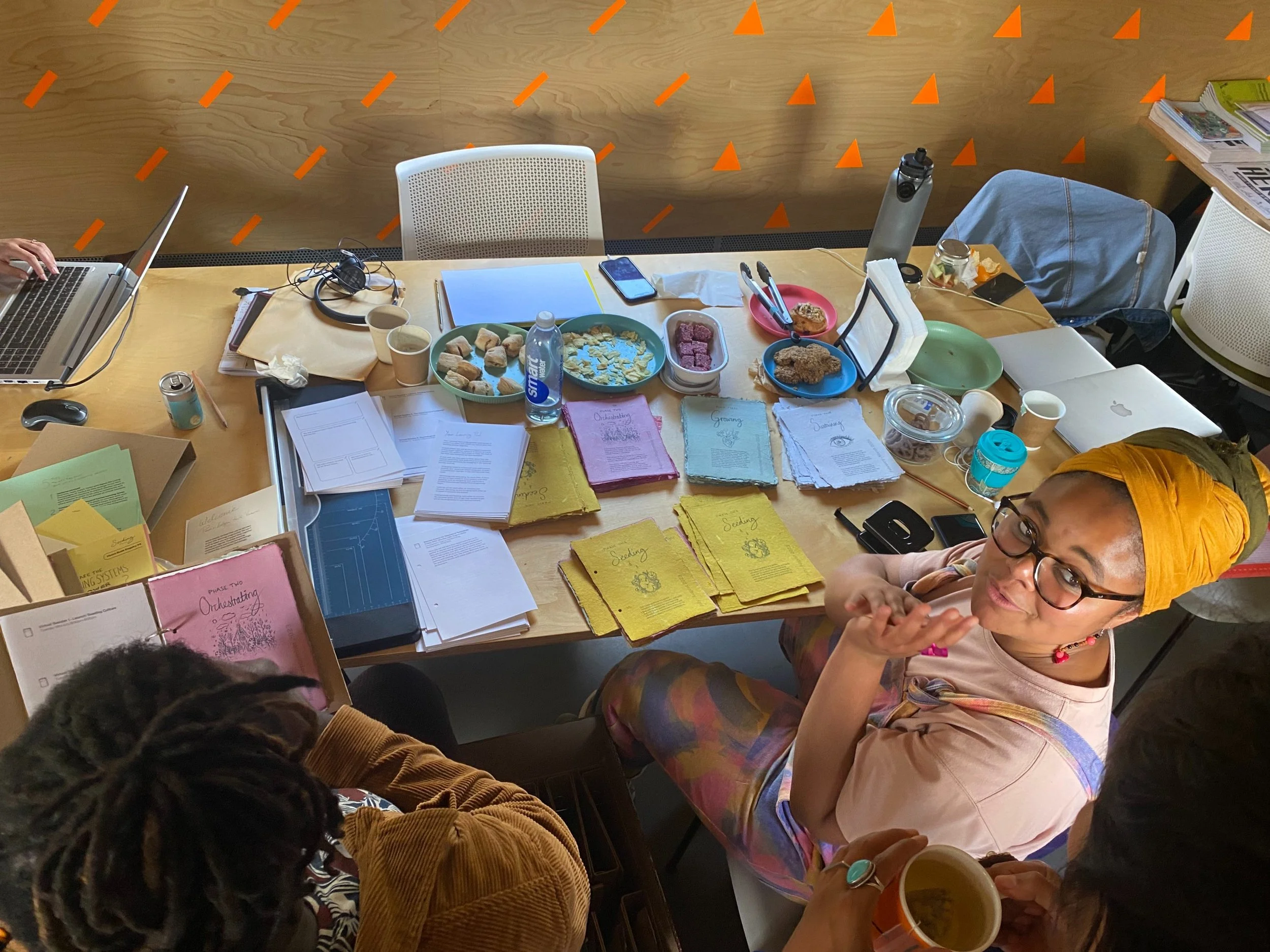
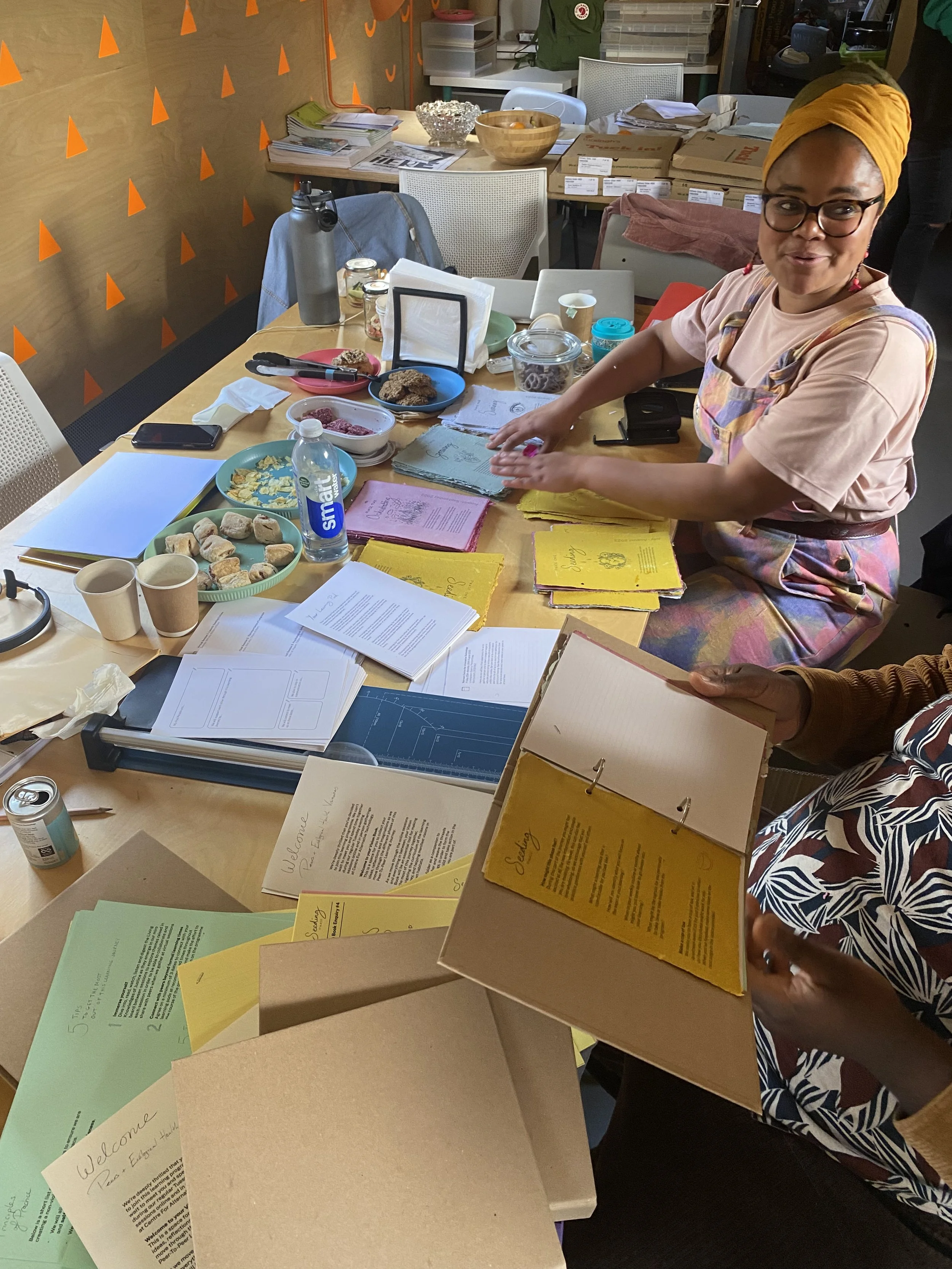
We produced a ‘Vision Book’ that would sit alongside the peers’ journey.
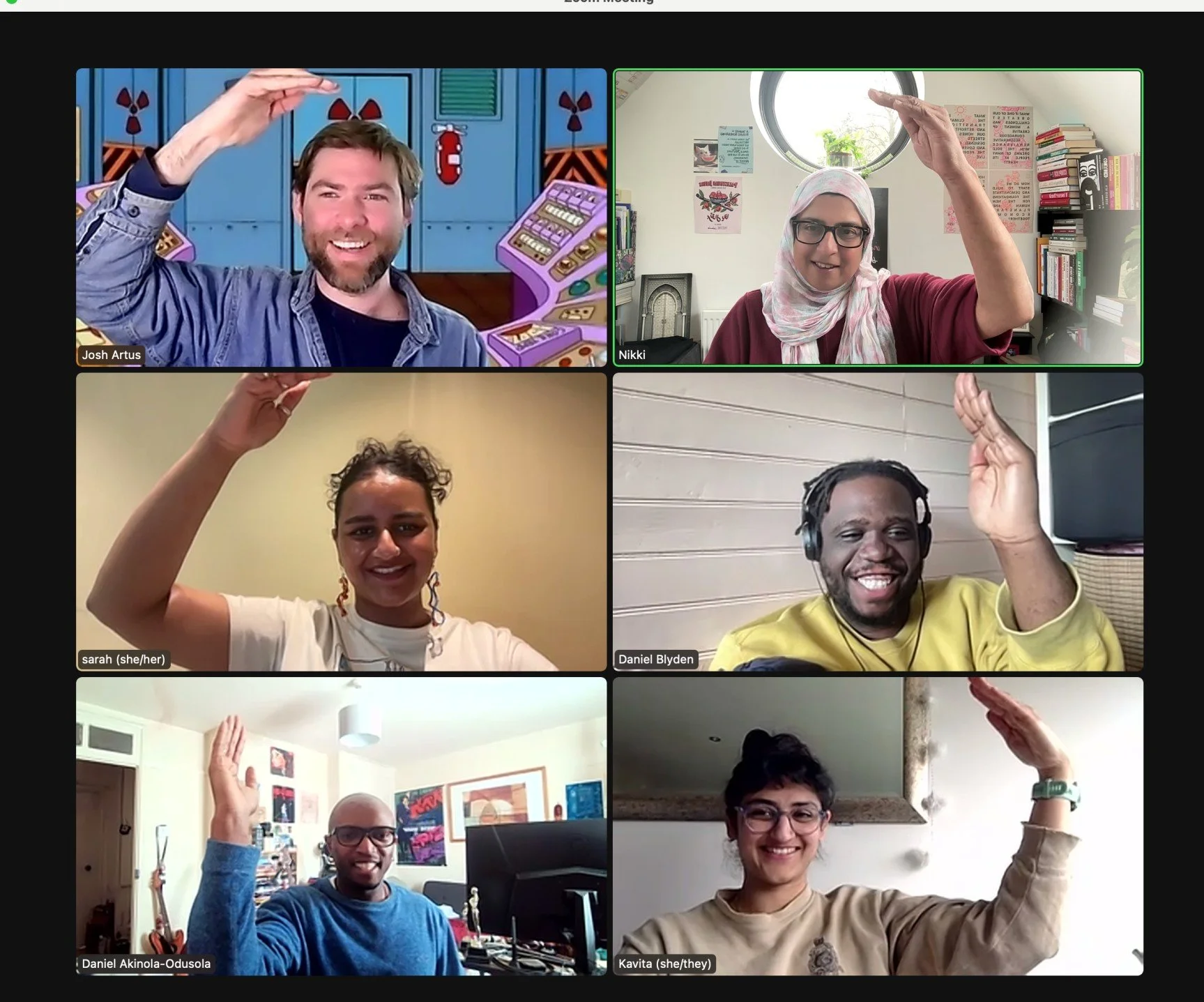
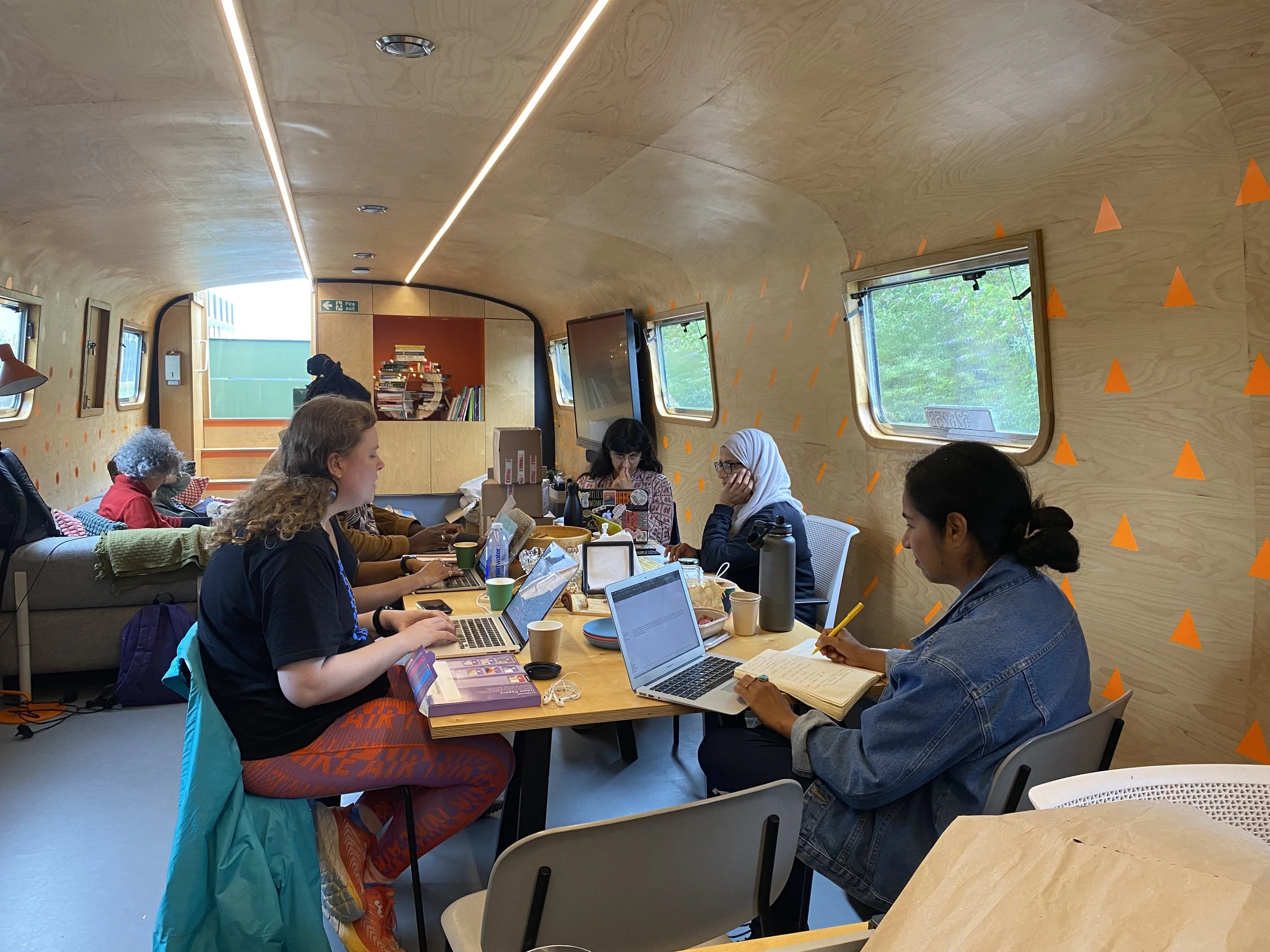
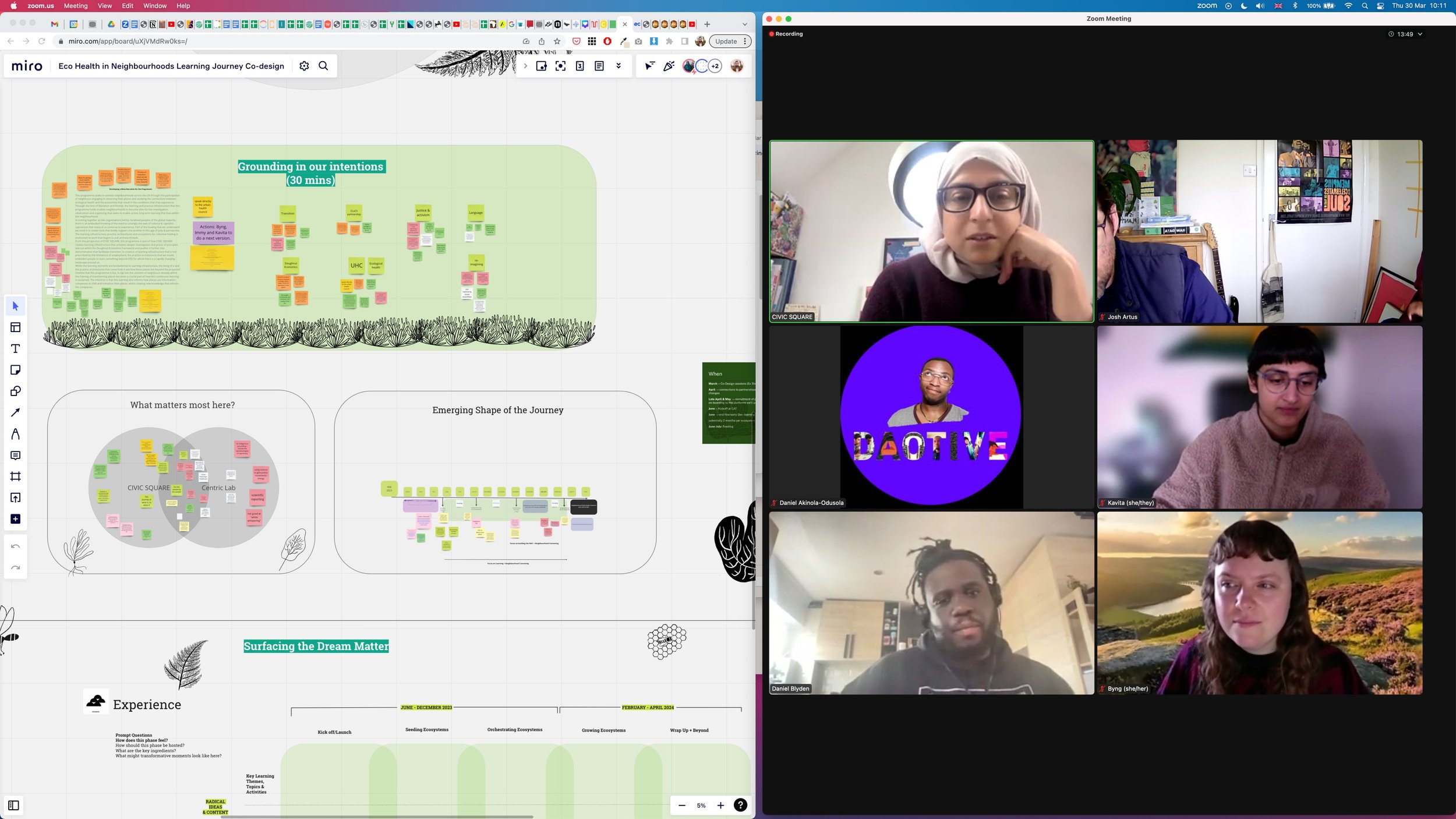
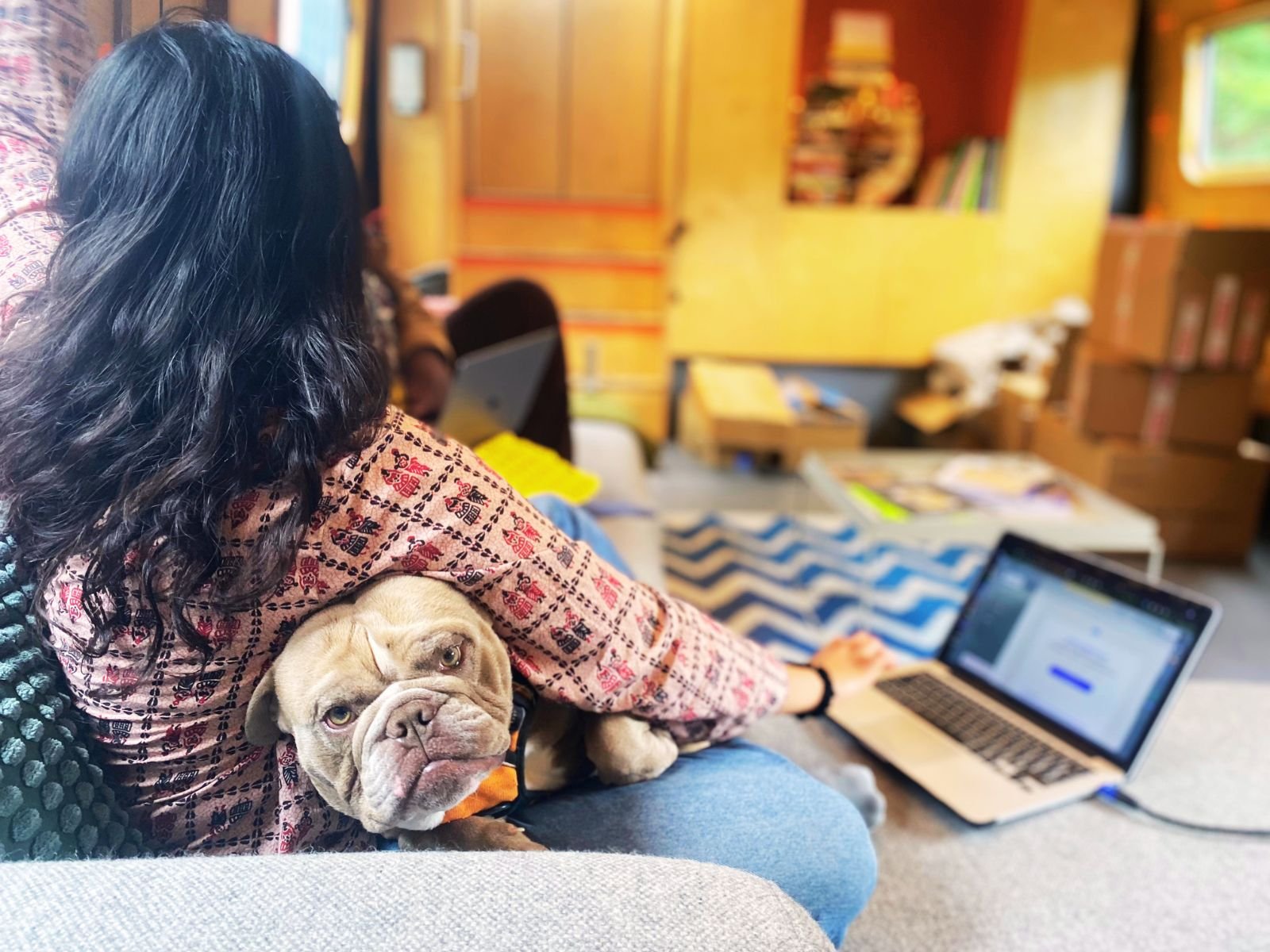
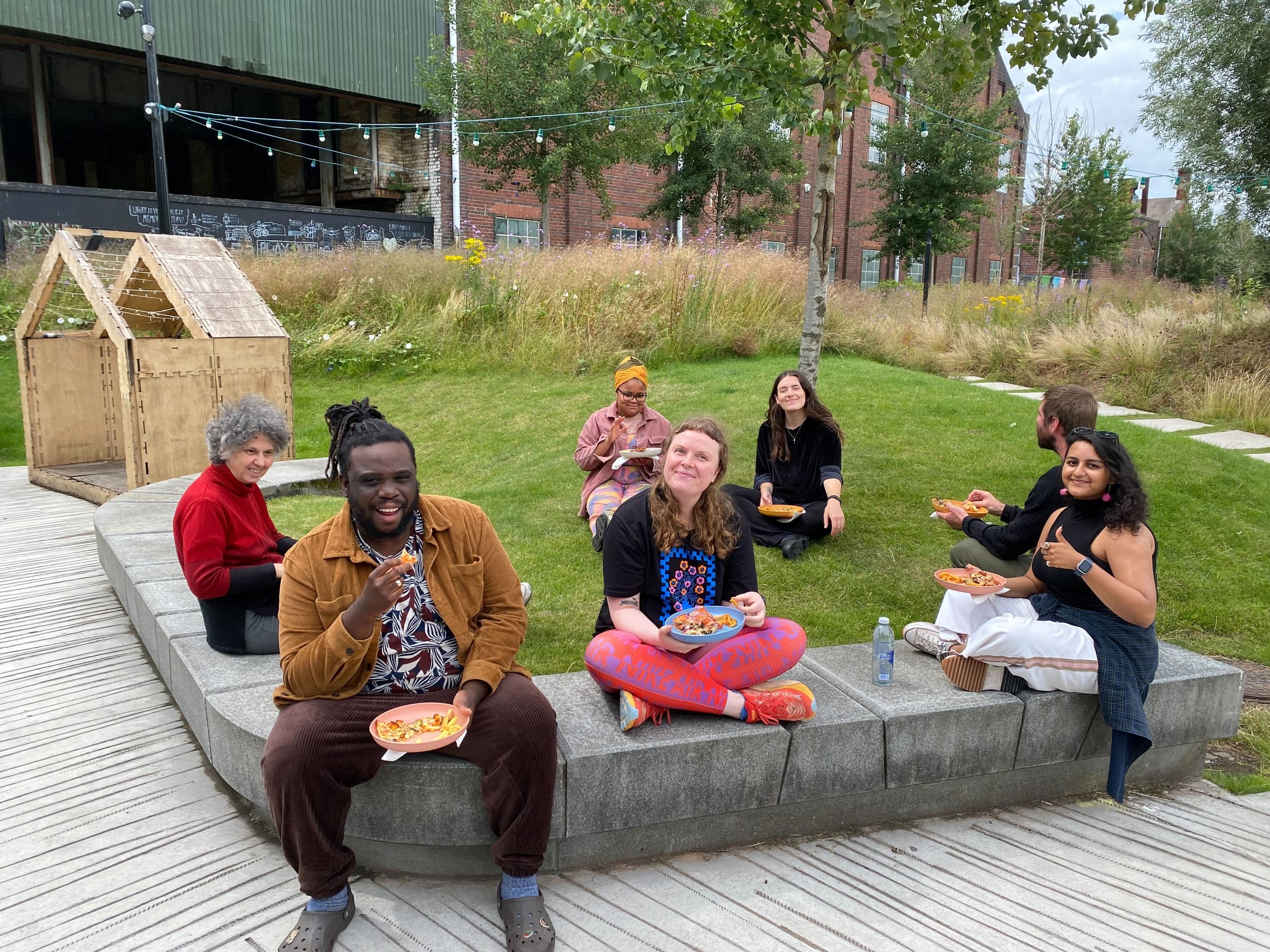
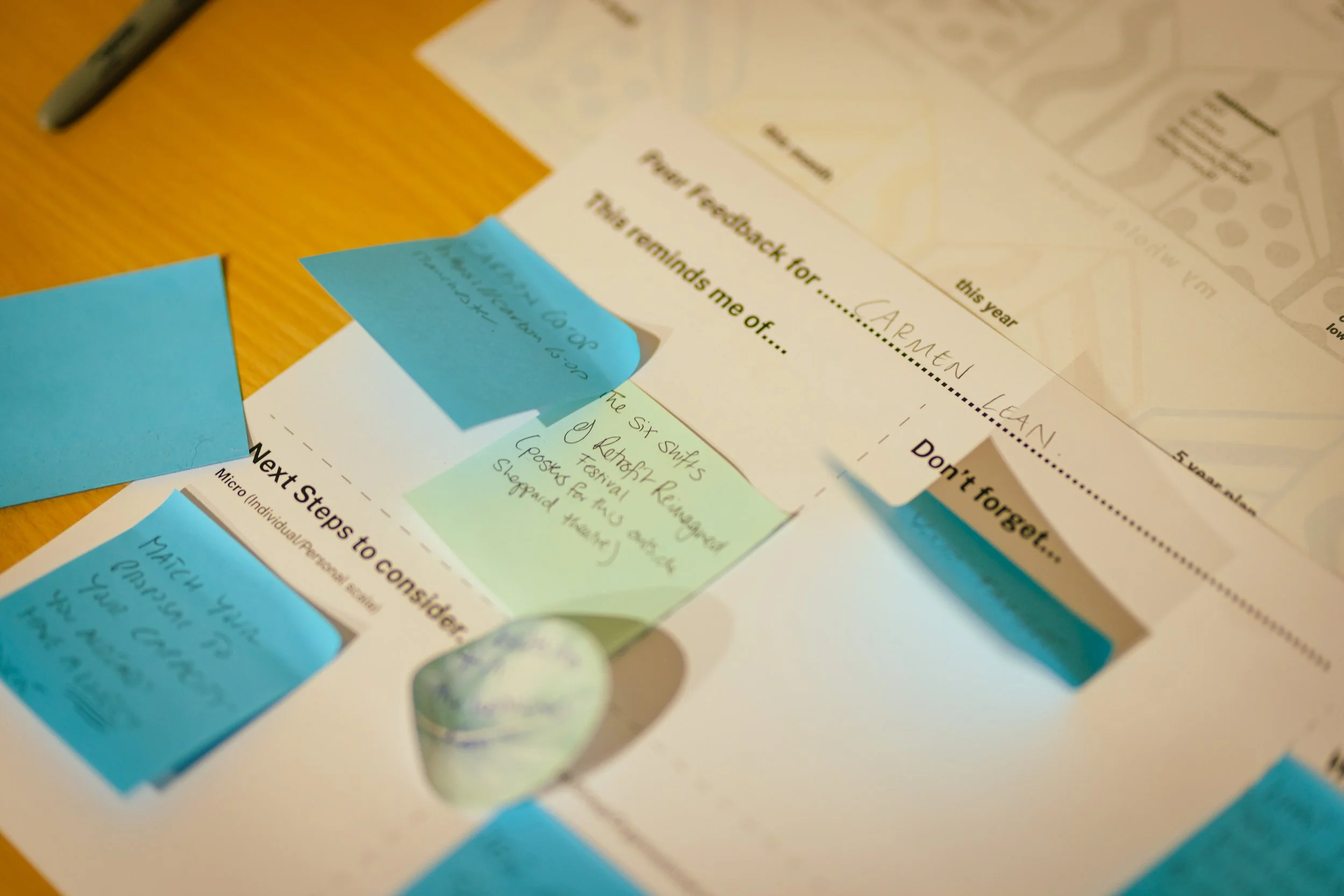
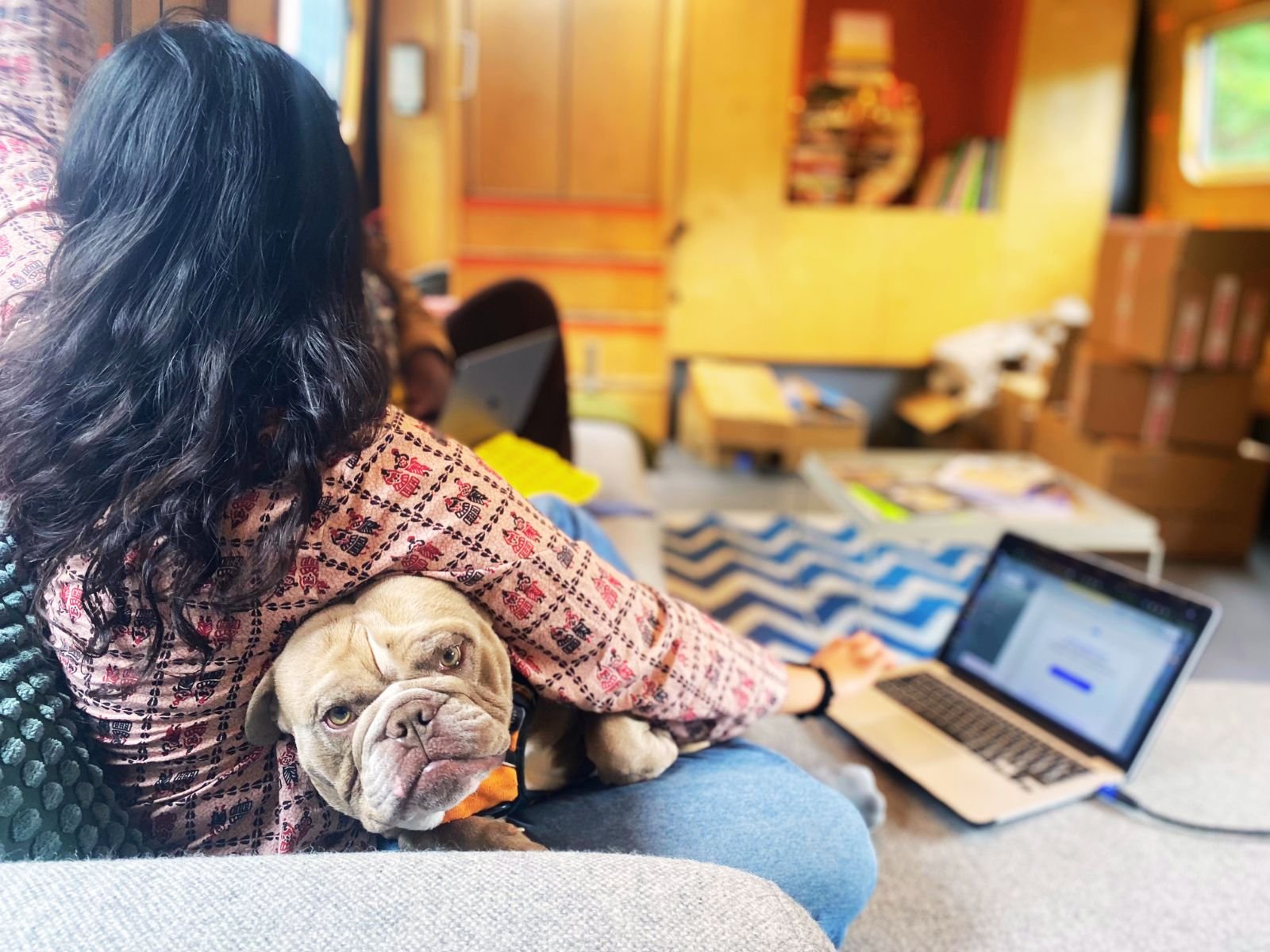
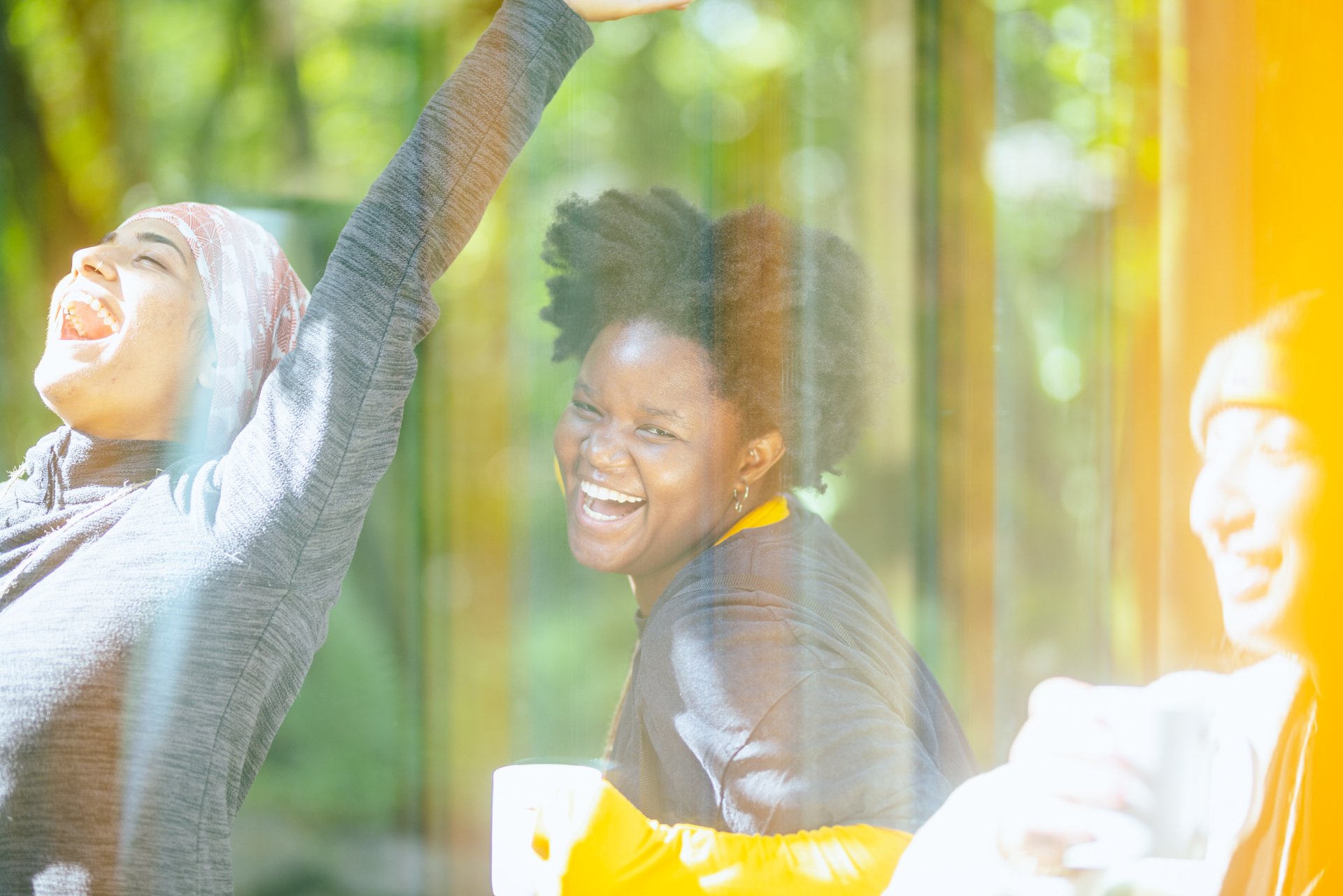
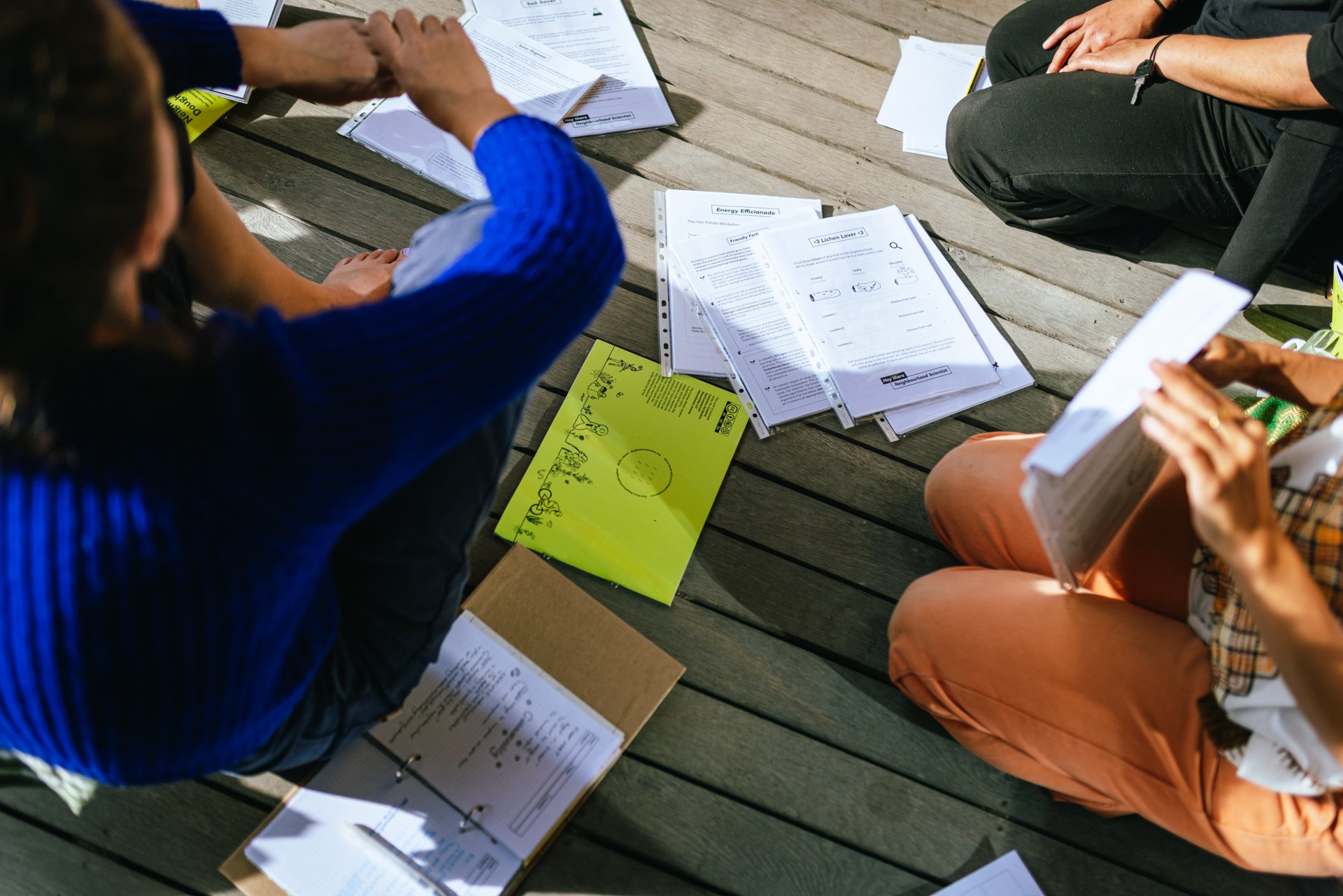
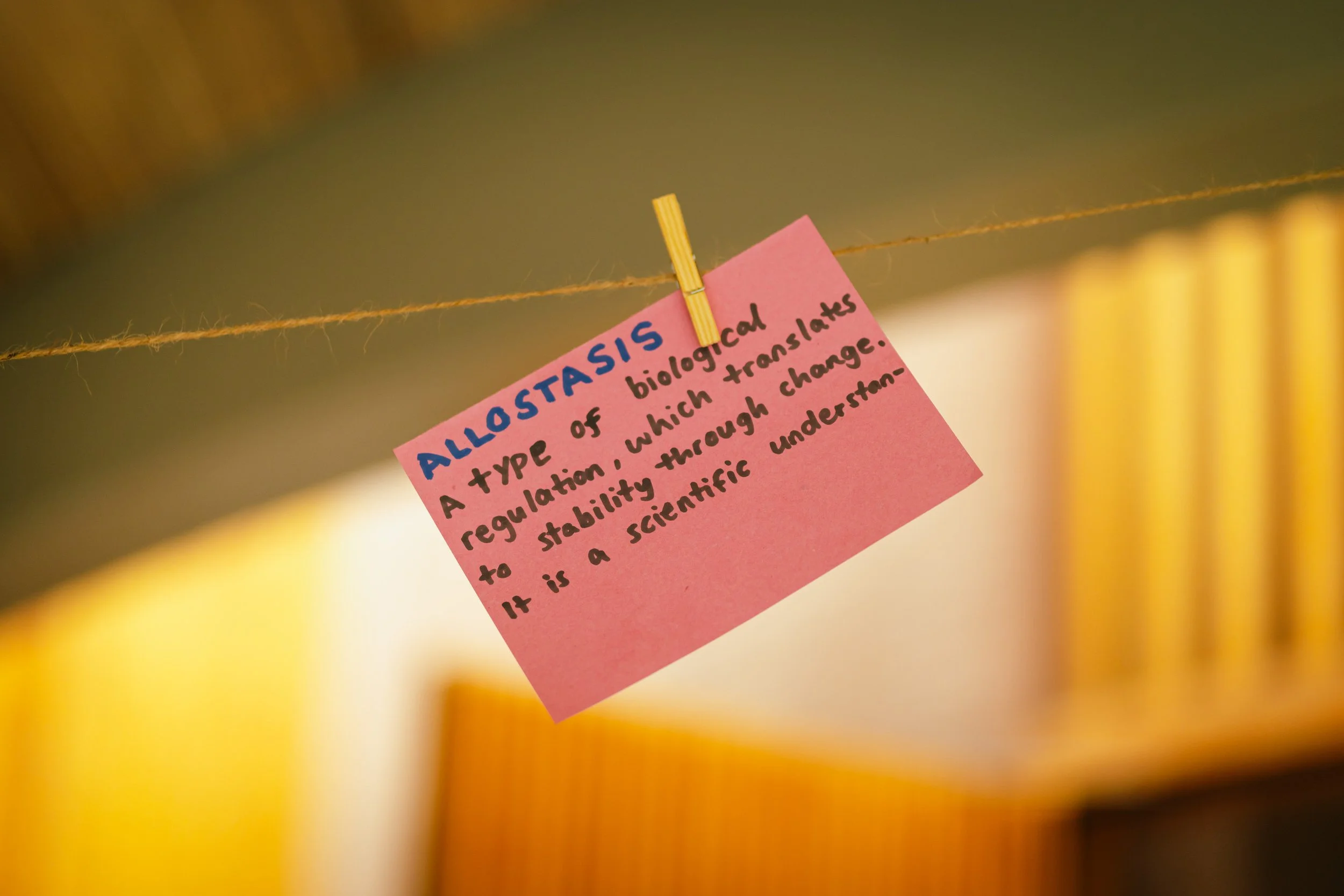
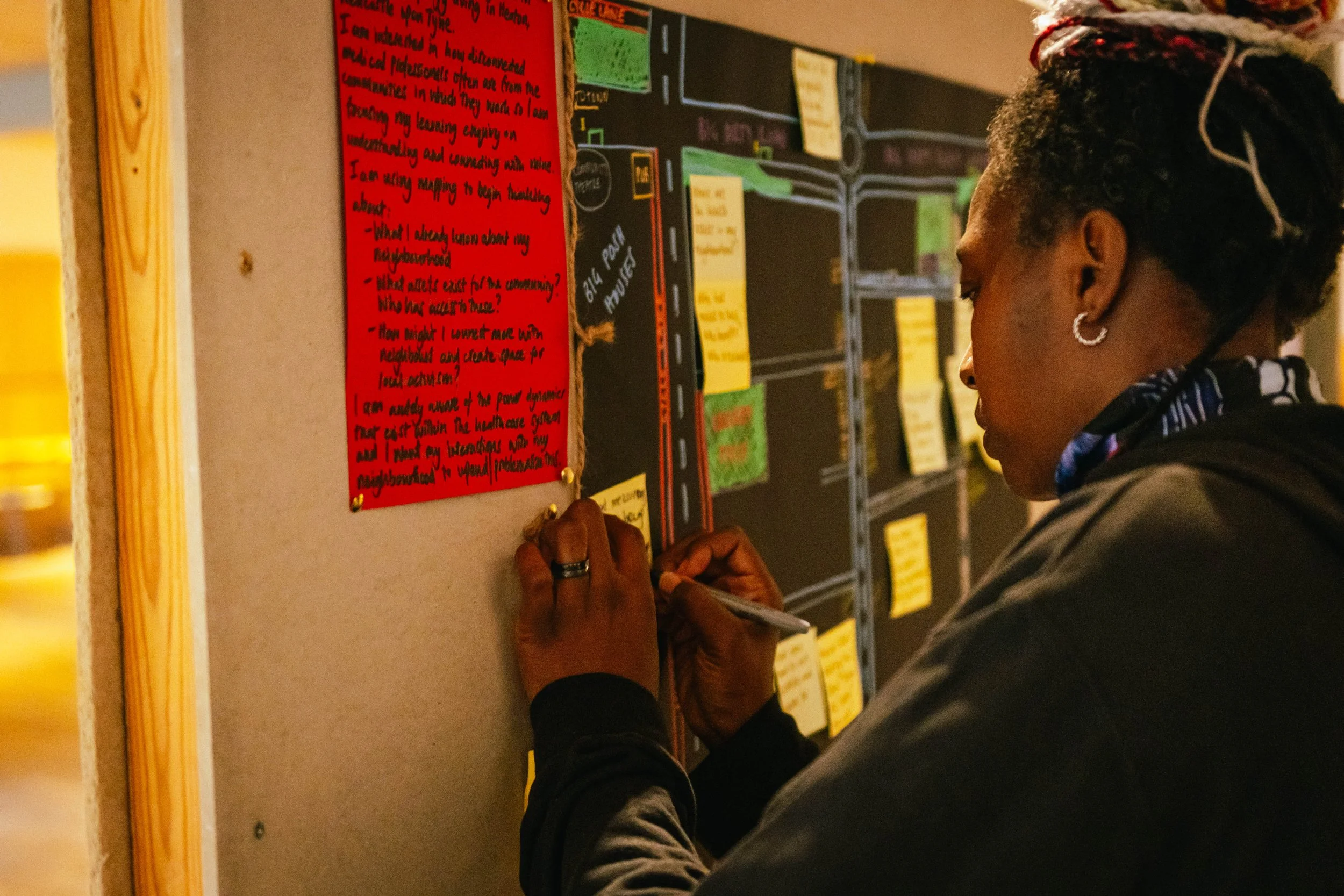
Some behind the scenes pics in the making of Ecological Health in Neighbourhoods.