
Latest News
Here we share some updates on what’s going on at Centric Lab
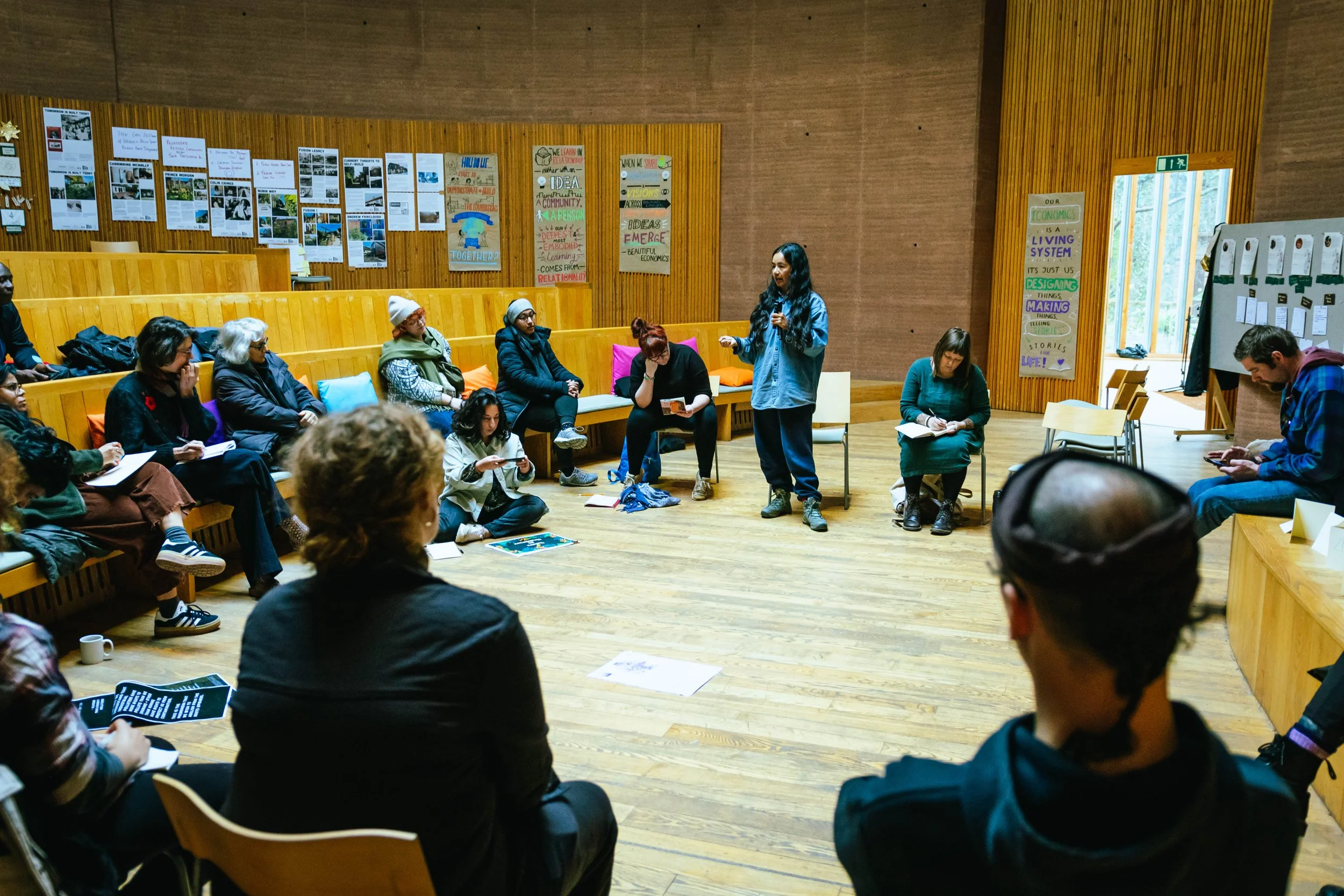
Health Justice Summit: 2026
Centric Lab are putting on a Health Justice Summit in November 2026. This gathering is a showcase and celebration of the multiple ways people are seeking health justice and enacting healing practices for and with their communities.
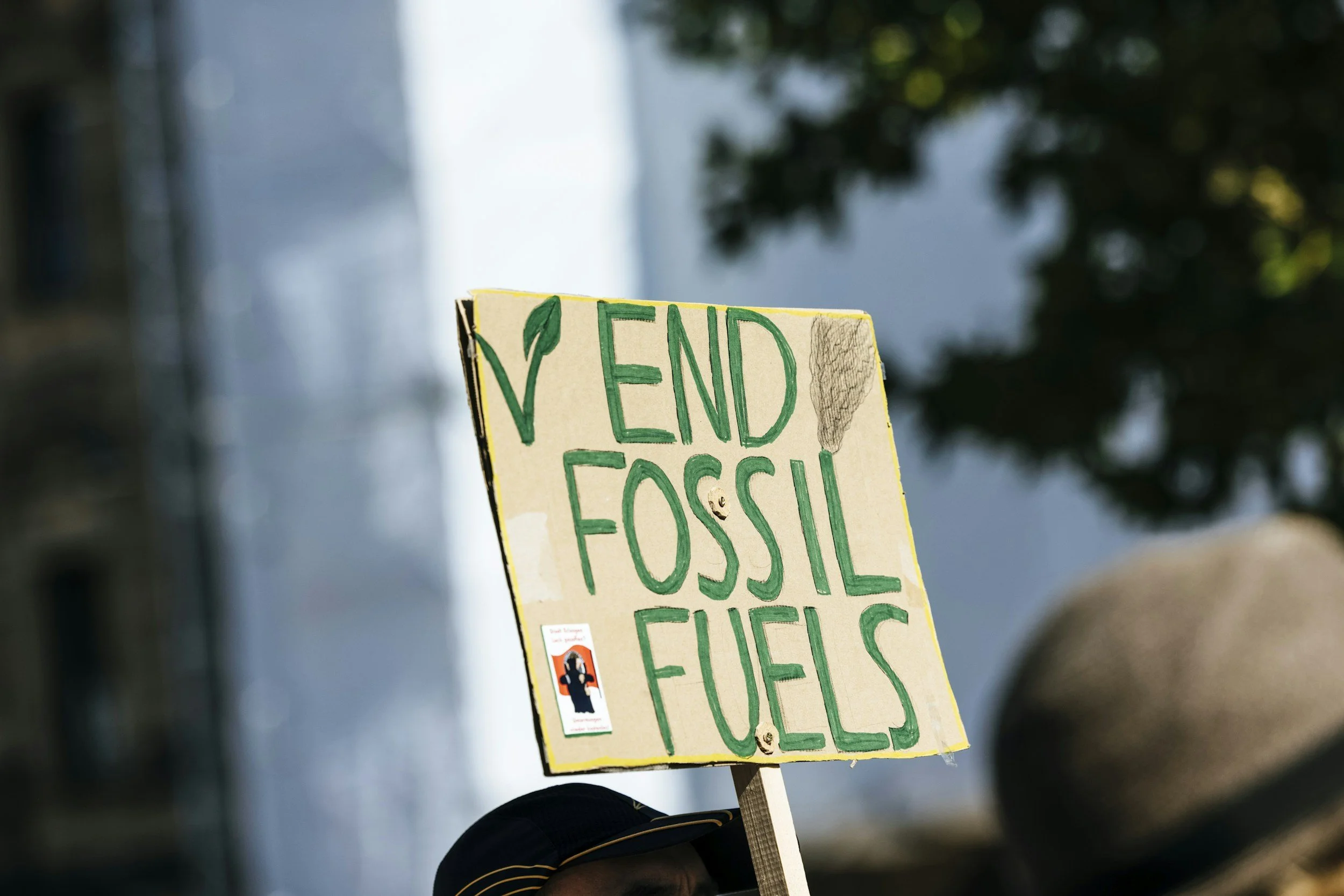
Centric’s Araceli Camargo features in published paper on involving young people for health equity against the fossil fuel industry.
The fossil fuel industry’s practices and products create wide‑ranging harms to human health, with disproportionate impacts on communities already affected by structural disadvantage. Young people, particularly adolescents, are among those most affected by these harms, yet they are often excluded from health and climate decision-making…..read more.

Open Lab: July ‘26
In the middle of summer we’re opening up the doors. We’re inviting those who’ve worked through the Introduction to Ecological Health online course to a series of open-lab sessions.

Our Approach to AI
As an organisation we do not use AI tools in our work. We outline here the three main reasons we are not engaging with this technology in its current form and context. We hope you take time to consider this position.

An Ecological Assessment for COVID-19 and Other Pandemics
At the start of the COVID-19 pandemic, those from racialised communities were the most vulnerable and at the highest risk of contracting the virus. This paper will show that to fully understand the link between high rates of COVID-19 mortalities and racialised communities, both an ecological analysis and biological lens is needed.

Biodiversity and human health: A scoping review and examples of underrepresented linkages
Mounting evidence supports the connections between exposure to environmental typologies (such as green and blue spaces) and human health. However, the mechanistic links that connect biodiversity (the variety of life) and human health, and the extent of supporting evidence remain less clear. Read more about this published study featuring Lab Director Araceli Camargo.
Launching ‘An Introduction to Ecological Health’; a learning course
Today we launch the ‘Introduction to Ecological Health’ online learning course. The purpose of this course is to support community leaders, organisers and everyday folx to work towards understanding how health outcomes result from our interactions with the natural, built, social, economic and political environments around us.

ReOrienting Ourselves as a CIC
In a remote canalside cottage in late January 2024, friend, advisor and collaborator Dr. Kavian Kulasabanathan asked a question that would linger in our minds for months, ‘how do you hold yourself accountable?

It’s not the what, it’s the how
This is a guiding mantra that sits within all our work, and is the title of our latest essay on our work with Angela Fonso and the CASH community on Community Health Impact Assessments. In 2024 we were selected alongside 15 other groups by the British Science Association to write an essay reflecting our journey of co-production.
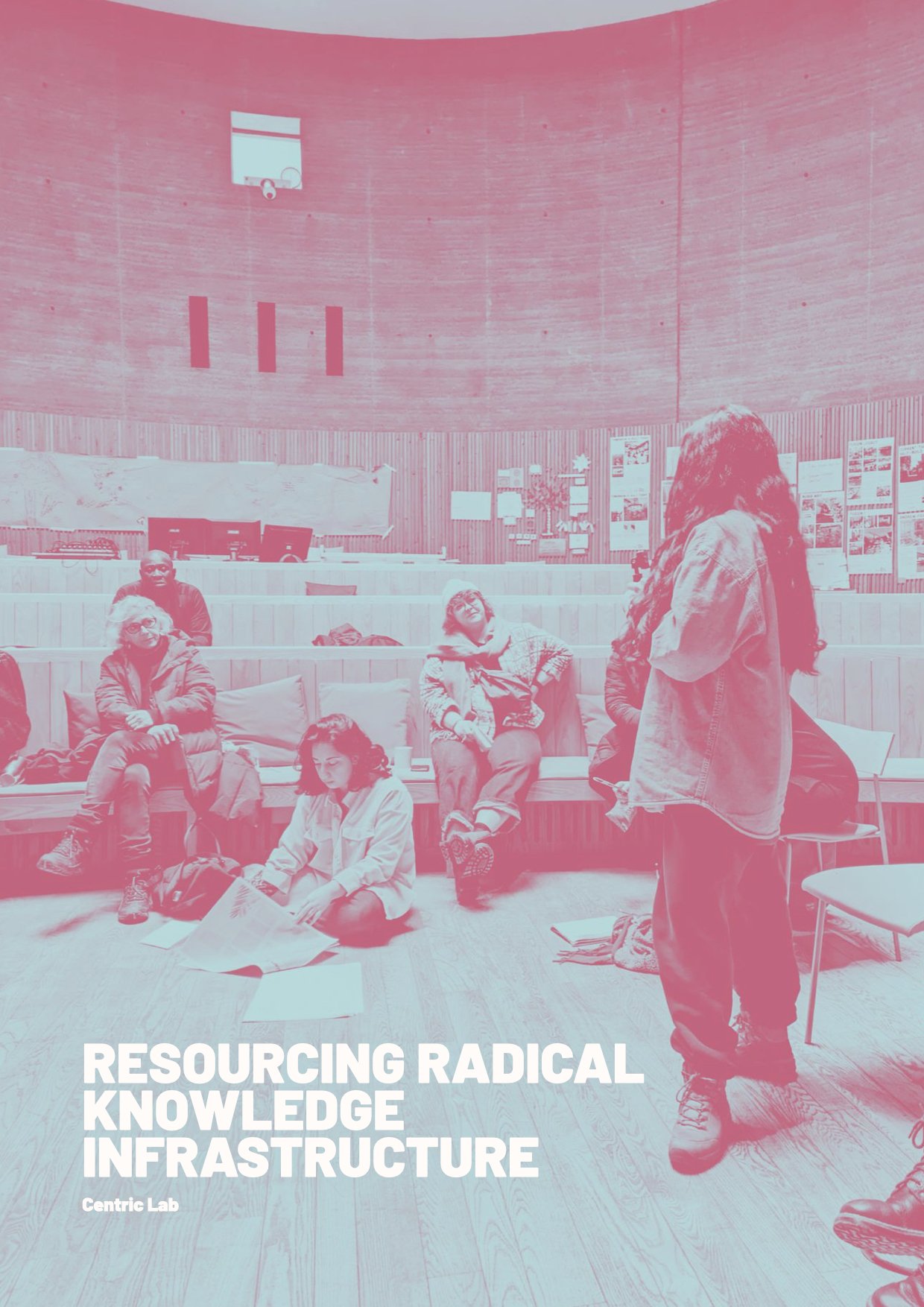
Updated: Resourcing Radical Knowledge Infrastructures
An update to our 2024 propositional paper from earlier this year. Resourcing radical knowledge infrastructure means to create the financial, cultural, and equitable pathways for people, groups and movements to create, surface, resurface, and amplify knowledges without restriction, in order to build community power.

Vital Signs - Another World is Possible
Science Gallery London’s exhibition, Vital Signs: Another world is possible brings together artists, designers and researchers to explore these relationships and how the health of the natural world - from our waterways to our atmosphere and the ocean floor - is intimately connected to our own health and wellbeing.

What would an NPPF look like from an Ecological Justice framing?
Taking on an Ecological Justice approach to the NPPF requires a foundational shift to the role and motivations around planning and the relationship with land in the UK.

Twenty Important Research Questions in Microbial Exposure and Social Equity
Social and political policy, human activities, and environmental change affect the ways in which microbial communities assemble and interact with people. These factors determine how different social groups are exposed to beneficial and/or harmful microorganisms, meaning microbial exposure has an important socioecological justice context. Read more in this published journal paper