Lab Director Araceli Camargo was a recent named author on a published paper titled Biodiversity and human health: A scoping review and examples of underrepresented linkages led by long time collaborator Jake Robinson, PhD.
ABSTRACT
Mounting evidence supports the connections between exposure to environmental typologies (such as green and blue spaces) and human health. However, the mechanistic links that connect biodiversity (the variety of life) and human health, and the extent of supporting evidence remain less clear. Here, we undertook a scoping review to map the links between biodiversity and human health and summarise the levels of associated evidence using an established weight of evidence framework. Distinct from other reviews, we provide additional context regarding the environment-microbiome-health axis, evaluate the environmental buffering pathway (e.g., biodiversity impacts on air pollution), and provide examples of three under- or minimally-represented linkages. The examples are (1) biodiversity and Indigenous Peoples' health, (2) biodiversity and urban social equity, and (3) biodiversity and COVID-19. We observed a moderate level of evidence to support the environmental microbiota-human health pathway and a moderate-high level of evidence to support broader nature pathways (e.g., greenspace) to various health outcomes, from stress reduction to enhanced wellbeing and improved social cohesion. However, studies of broader nature pathways did not typically include specific biodiversity metrics, indicating clear research gaps. Further research is required to understand the connections and causative pathways between biodiversity (e.g., using metrics such as taxonomy, diversity/richness, structure, and function) and health outcomes. There are well-established frameworks to assess the effects of broad classifications of nature on human health. These can assist future research in linking biodiversity metrics to human health outcomes. Our examples of underrepresented linkages highlight the roles of biodiversity and its loss on urban lived experiences, infectious diseases, and Indigenous Peoples’ sovereignty and livelihoods. More research and awareness of these socioecological interconnections are needed.
Read more from us in our ‘Stories & Provocations’ section
This document intends to make the case for dedicated resourcing and infrastructure that enables community-led data to be accessibly gathered and applied to structural decisions that will impact those communities. This document also intends to make the case for collaborations between communities and the institutions who impact their local health and environments.
Understanding health in this way situates it as a political, ecological, social, and cultural phenomena impacted by systems of power, material conditions, and historical context. This way of framing health is not new, it has deep historic precedent. Socialist Dr W.E.B Dubois in the 1800’s framed poor health outcomes as being a direct consequence of the racialised Black experience. He could be seen as the godfather of the concept “determinants” of health.
Throughout our ten years as a lab, we have observed both how people get sick and how they heal. We have identified social medicine as a key part of the infrastructure of healing. From this point, we will be specialising in providing the necessary infrastructure and support for communities to enact social medicine.
At Centric Lab, we often talk about health autonomy, or health justice being rooted in autonomy. In medical practice, autonomy is often equated with informed decision making of the patient about their own care. It is timely to come back to what these terms mean for us especially. Autonomy, and the discourse around it, is not without its pitfalls and caveats. So why do we need to bring knowledge into the centre of autonomy?
We write these blogs to give a window into some of the internal conversations and insights we have as a team. This is a reflection on the common term ‘indicator’.
At the Centric Lab the topic of agency has been coming up a lot, and how we are coming to understand our work in advancing it as well as understanding the things that strip or challenge it. When we speak to those we work with about what has been ultimately healing in their journeys towards health justice, many share that it is a sense of agency.
In response to the COVID-19 pandemic, Centric Lab leaned into an emerging ontological shift with knowledge production. The result was to set up the Urban Health Council as a means to convene a wide range of practitioners, researchers, and advocates focused on health in cities.
In part two of Ecological Being and Land Relations, Hannah writes about the role of building an infrastructure for relationality that people can have with land; ways to imagine, investigate, and organise around land relations and health.
In this blog, Hannah introduces us to the role of Land relations in the UK, and the world over, as a key determinant of health. Land relations are overlooked, obscured and erased even though they are behind the scenes as a context of everything.
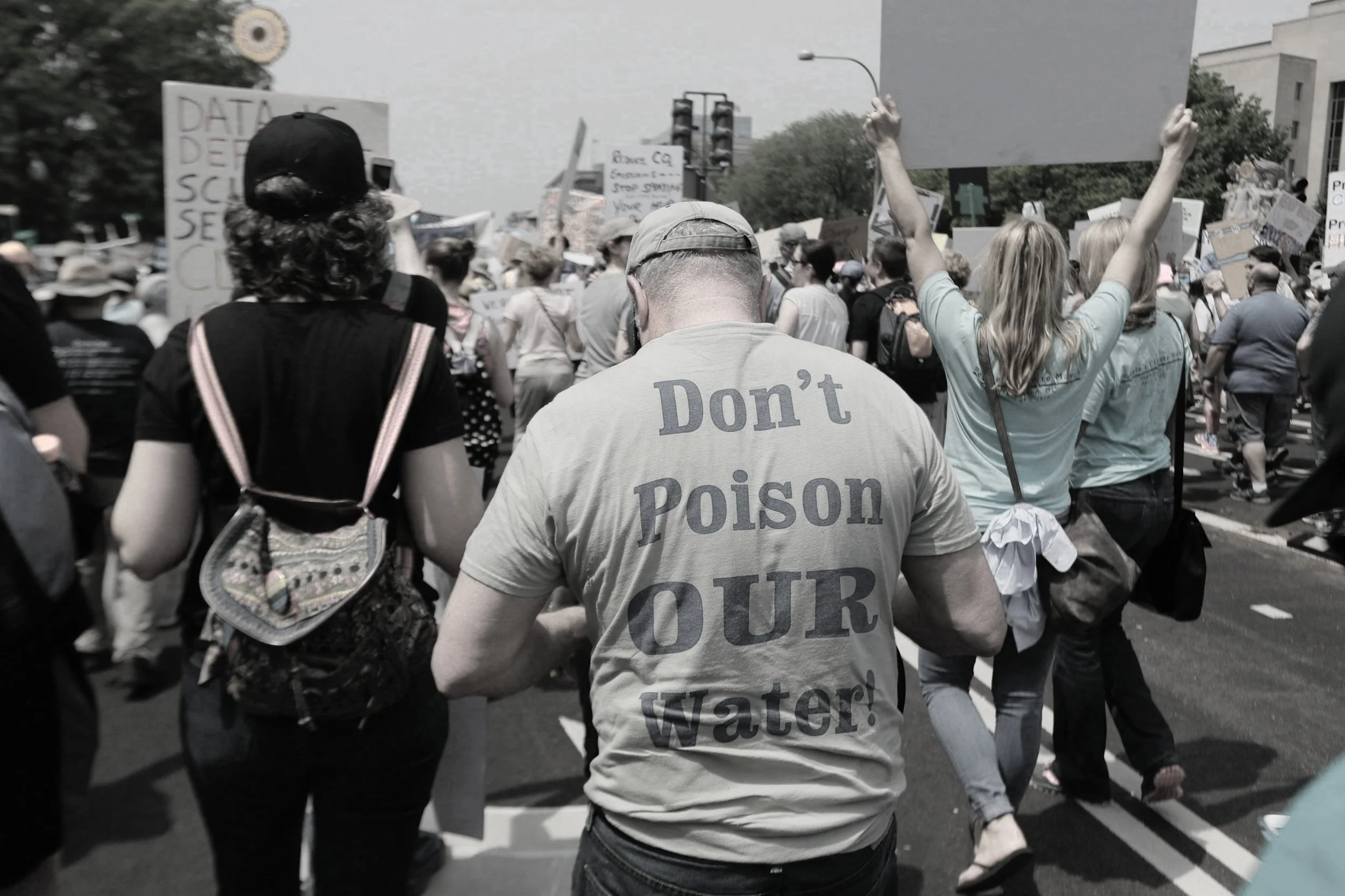
We present pathways, philosophies, and strategies for community-led healing to safeguard against air pollution.
We have created this zine as a framing that helps guide our work moving forward. We understand that this era is presenting health challenges that we have not seen before and perhaps do not have the languages and narratives to describe what is happening. The zine provides a path towards health reparations and a set of guiding contemplations.
Our understanding of ecology is not only the relationships within the natural environment, ecology is also the social, political, economic and cultural systems that were formed from histories of extractivism and domination.
“Knowledge cannot be found in just one Institution, everything carries knowledge, bodies, emotions, Peoples, Land” - Nina Rivera
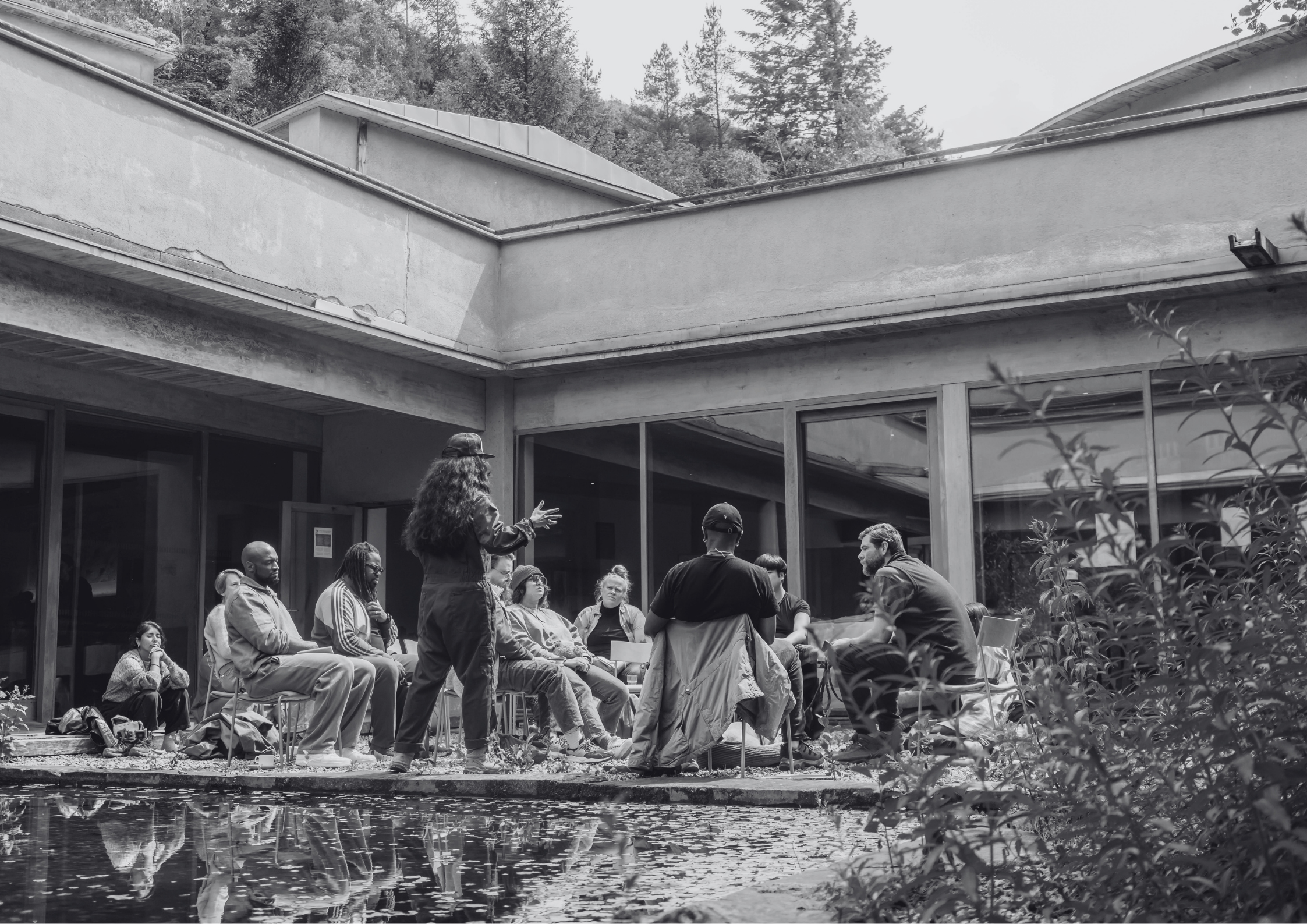
A write up from our 2024 Symposium of what’s taking place within the Centric Lab ecosystem.