
Air is Kin
WHAT IS THIS PROGRAMME?
The mission of the project is to move towards the abolition of “Right to Pollute” policies and to facilitate healing pathways for communities impacted by air pollution. This project and study are meant to create a starting point for the abolition of the right to pollute policies, which are having a continual devastating effect on both planetary and human health.

To date those affected by air pollution have had to use data and evidence to prove their humanity to the polluter. Every time we have to evidence our humanity and health we are haggling with the polluter.
We haggle on a lower level of pollution, yet, according to the World Health Organisation, there are no safe levels of air pollution.
About the Programme
-
Air is Kin is a programme developed by Centric Lab, specifically to support communities facing the poor health effects related to air pollution and to abolish the “right to pollute”.
Inspired by successful resistance and advocacy movements past and present, Air is Kin provides comprehensive infrastructure to help communities on the frontlines of air pollution to withstand air pollution's harms and to advocate for the air they breathe. These include resources for healing and survival, tools for advocacy, medical allies who bear witness, and cultural narratives that challenge the legal and regulatory systems that enable and protect polluters. At the core of Air is Kin is the relational reframing that air is not just invisible gas but a living ecosystem that we are part of.
-
The harms of air pollution are wide-ranging and deeply unequal, hitting already burdened communities the hardest. Air pollution affects the entire body through psychosocial and physiological pathways, thereby affecting not only physical but also mental and social health and well-being. Furthermore, air pollution and its negative impacts are not evenly distributed; they hit communities who are already carrying heavy burdens the hardest.
Healthcare systems fail to recognise and respond to the health effects of air pollution in real time. General practitioners (GPs) and other healthcare practitioners may not connect the symptoms that patients present with today (e.g. migraines, persistent coughs, and skin reactions) to air pollution in the places where the patients live, work, and study. The National Health Service (NHS) does not currently have a way to systematically record air pollution's health effects in real time.
Community advocacy introduces heavy costs for grassroots organisers. Advocating for clean air and health justice requires sustained campaigns against well-resourced industrial polluters and challenging systems. Funders and clean air organisations typically do not support the community advocates themselves or directly cover advocacy costs. In addition to the financial burden, the mental, physical, social, and economic burden of advocacy also has effects on health and can lead to burnout in grassroots organisers.
False narratives enable legal and regulatory systems that give polluters ‘“the right to pollute.” Legal and regulatory systems permit pollution based on false narratives that "safe levels" of air pollution exist, that some pollution is a necessary trade-off for economic growth, and that PM2.5 is adequate for measuring and managing air pollution. These narratives protect polluters while obscuring the true impacts of air pollution.
-
With Air is Kin, we aim to provide communities with what they need to survive a sustained campaign against well-resourced opponents. This includes infrastructure and tools:
To withstand the negative health effects of air pollution (e.g. funds for healing and care, peer support networks and solidarity, health protection strategies, and expert guidance from those who have fought these battles before); the point of withstanding is to create dignity during a time of deep oppression. The Black Panther Party created various “survival programmes” to help sustain the health of their community whilst they strategised systemic change.
For effective advocacy (e.g. practical knowledge for navigating complex legal systems, playbooks and guidebooks that document proven strategies, community organising, and ongoing strategic support).
We provide these in forms of workshops and co-working sessions bringing together communities and experienced clean air advocates; written resources (i.e. guidebooks and playbooks), healing and organising grants; and peer network building.
-
We support communities in withstanding the negative effects of air pollution on their health and in advocating for clean air and health justice. We specifically work with communities who are directly polluted by industrial activity and who are already in the advocacy process. We offer support in various ways:
We offer regular meetings. What these meetings look like and how often they happen depends on the community/community lead and on how they would like to work. Through our “buddy system,” we also offer ad-hoc meetings and one-to-ones when a community needs additional support outside the regular meetings. These are with a member of Centric Lab, another community partner, or a healthcare practitioner whose experience/expertise would be most useful to the community.
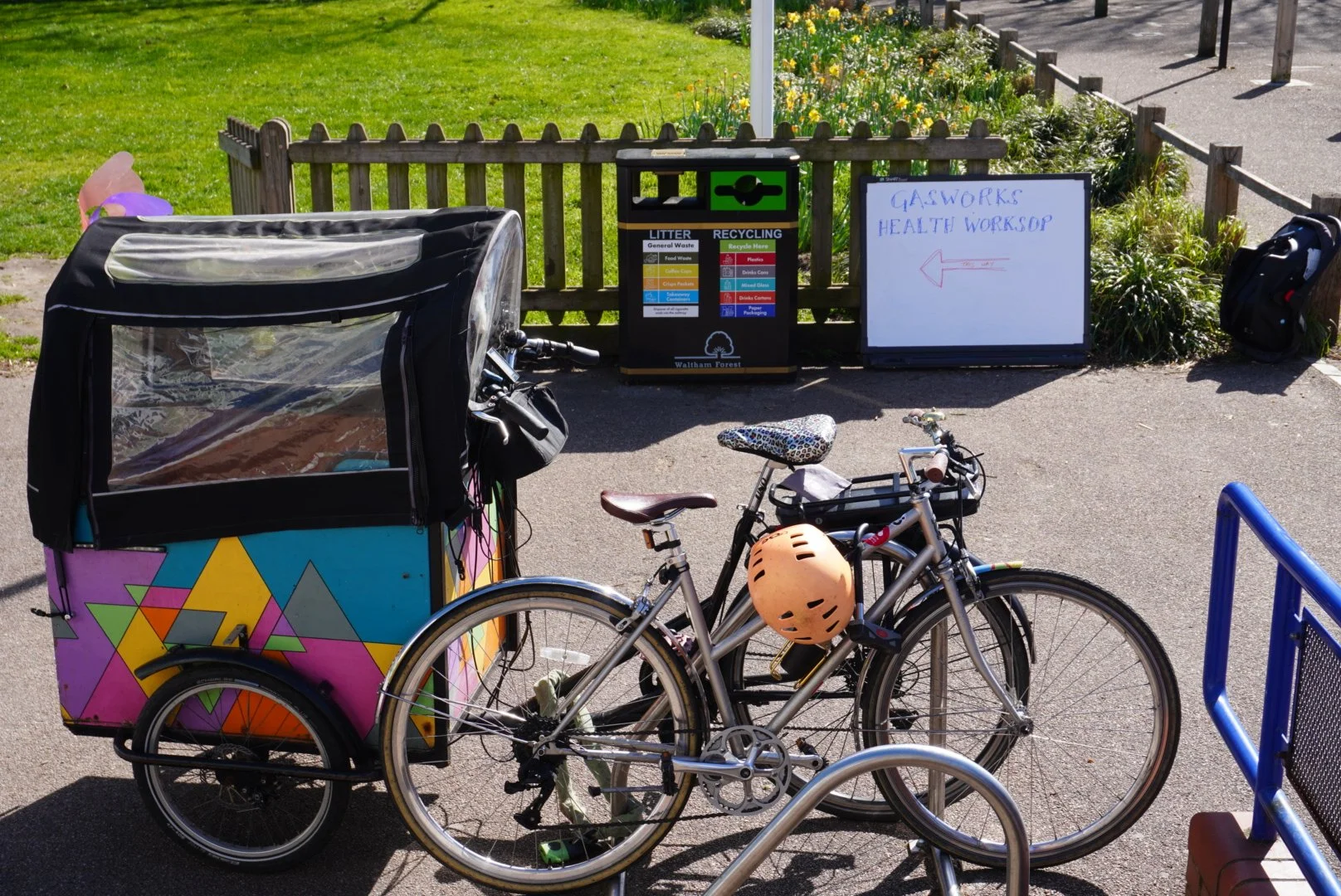
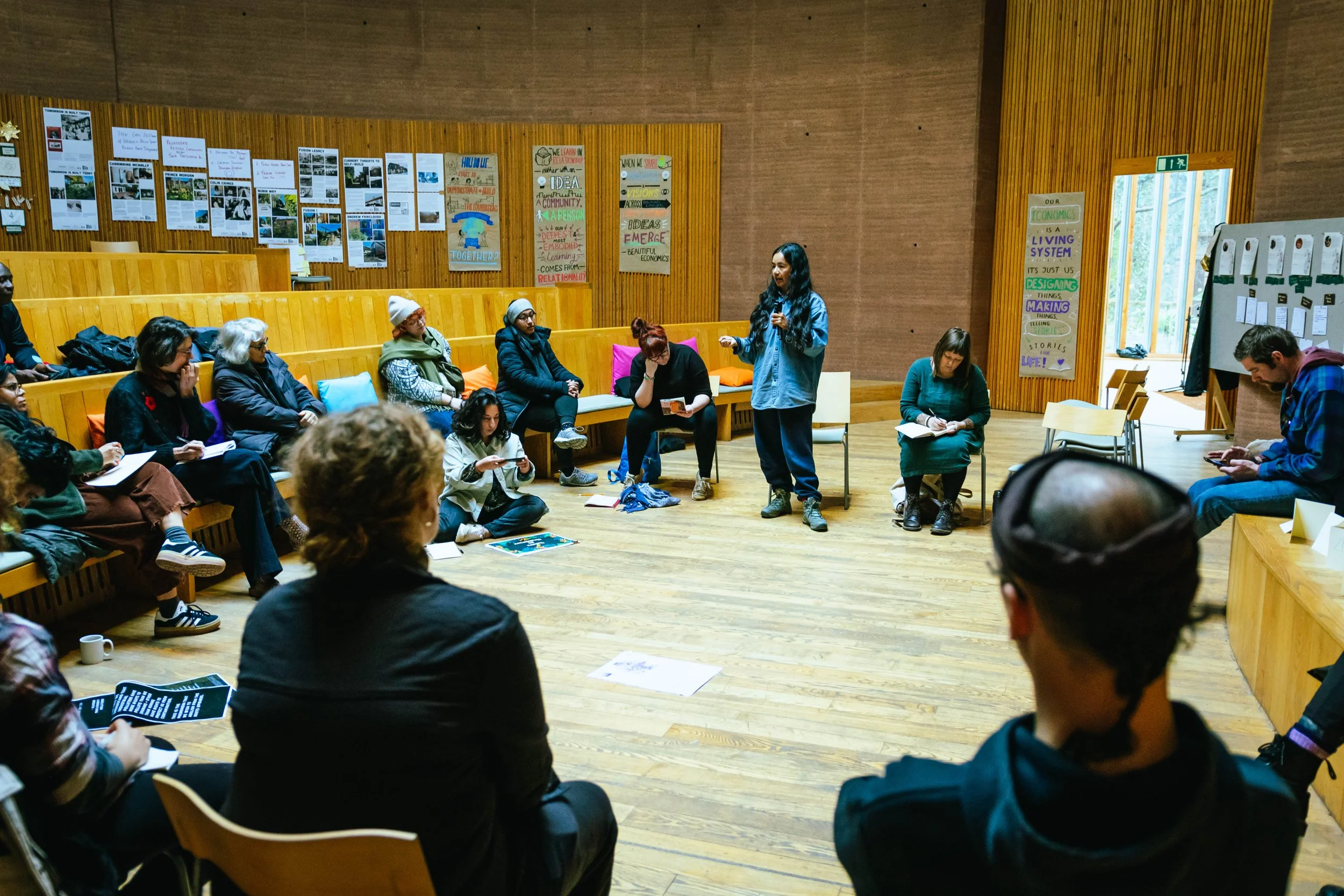
We show up for the community, for example, in community meetings, workshops, town hall meetings, and similar. We aim to show up as a group as much as we can to bear witness and to support the community through our solidarity.
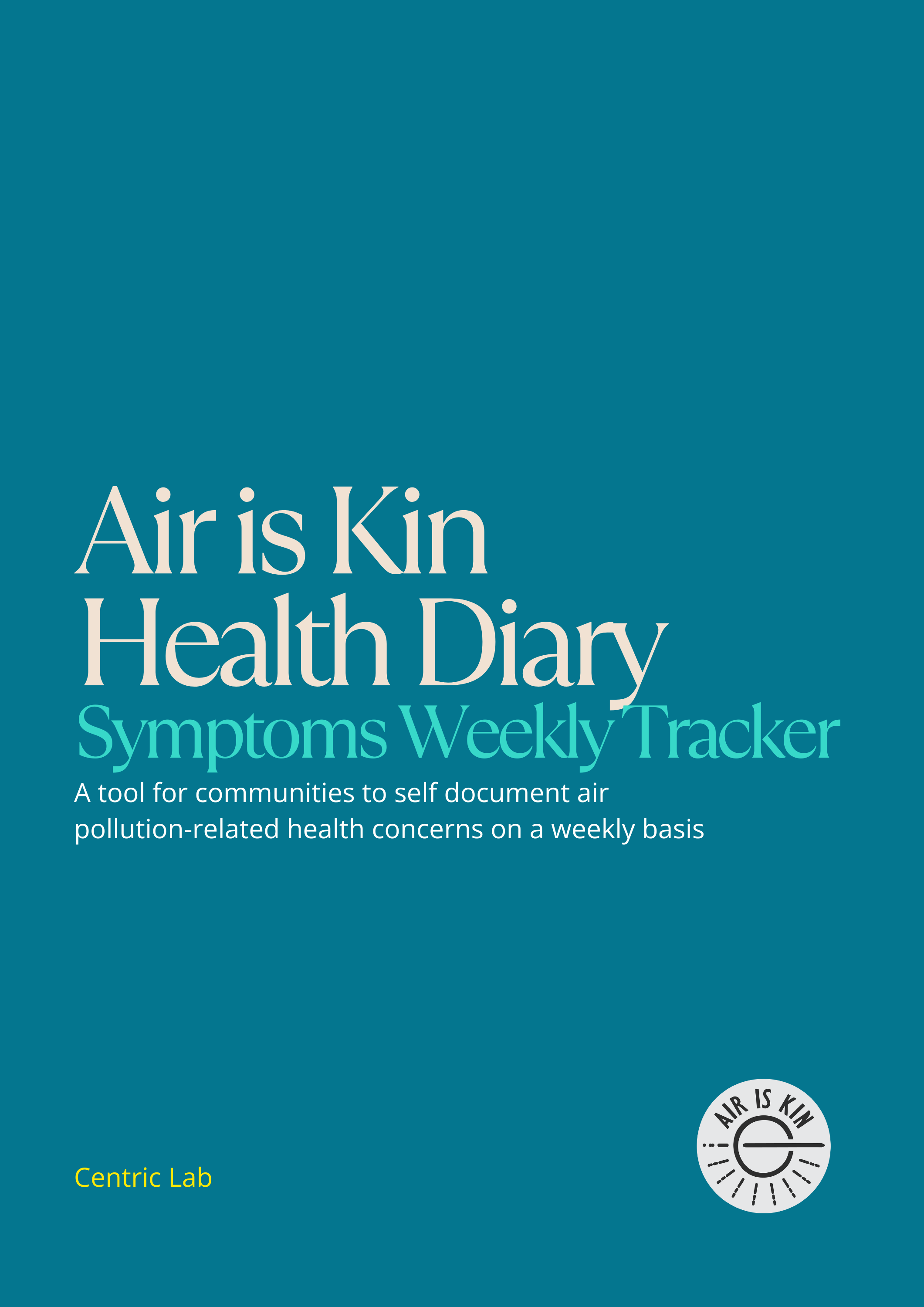
We provide resources and tools for communities to use in their work as they see fit. These resources are to support them in their withstanding and advocacy. One resource is the Air is Kin academy – a resource that communities can use to learn more about air pollution and health, and about how to navigate some of the challenges associated with campaigning and advocating for clean air and justice. A second resource is the signs and symptoms questionnaire/health diary – a tool communities can use to document changes in their health and their environment to better understand the relationship between air pollution and health, and to be able to articulate this clearly (e.g. to their GP). Other resources, such as the Air is Kin guidebook, are still being developed.
We offer advocacy grants of up to GBP 1,500 per year to support communities in running activities that will help them to achieve change. We support communities in developing and facilitating their activities, but communities have full autonomy in using the grant.
We offer micro healing grants of up to GBP 150. These grants can be used by the community lead or other individual community members to support their healing, for example, by booking a specialist appointment, booking an activity that helps them to release stress, or similar.
-
To discuss partnering with Centric Lab on Air is Kin please contact araceli@thecentriclab.com to discuss further.
To learn more about how to engage with the programme and the AiK Academy please contact daniel@thecentriclab.com.
LATEST OUTPUT

Air is Kin Academy
This Academy is a self-directed learning tool built as a “Miro World”. Across a number of modules and lessons you are able to be part of a connected and educated community can help move your advocacy forward at a more gentle pace. This includes its history, the science behind air pollution, how air pollution affects our bodies and minds. We have also added lessons to nourish and inspire your journey.
What Participants Are Saying
“The course was extremely well marketed: the tone and register was welcoming, encouraging, engaging and open about learning and sharing knowledge it was very accessible but also a massive commitment because the learning becomes a part of everyday life. It's like learning as medicine.”
“The evening sessions were fascinating, I learned a lot from all the presenters. The flexibility in how we could spend the funding was very welcome, it allowed us to create something that was really relevant to our local communities.”
Programme Outputs
A selection of works from this area of work.
If you want to read more, go to the Research Library.





Partner With Us
We work ecosystemically. We recognise that the pathway to the abolition of systems that create health injustices cannot be done alone. We always welcome approaches for partnerships with like-minded organisations to help drive our collective missions forward.
Latest News

Stay Informed
Sign up to our monthly newsletter to keep up-to-date with our events, projects and the chance to interact with our growing health justice community.