Approaching Your GP On Air Pollution-Related Health Concerns
Air is Kin
From our experience, the motivation to approach your GP often starts with some combination of you and people around you observing changes in your health. We’ve chosen to address how people interact with primary care because your GP is likely to be the first institutional recognition of your health concerns.
We invited two doctors, Dr Emily Parker and Dr Joanna Dobbin, who have been supportive in other parts of the Air is Kin project to discuss how people who recognise that their or their children’s health is worsening from air pollution can take steps to be witnessed by healthcare professionals.
These sessions led us to draft two complementary booklets:
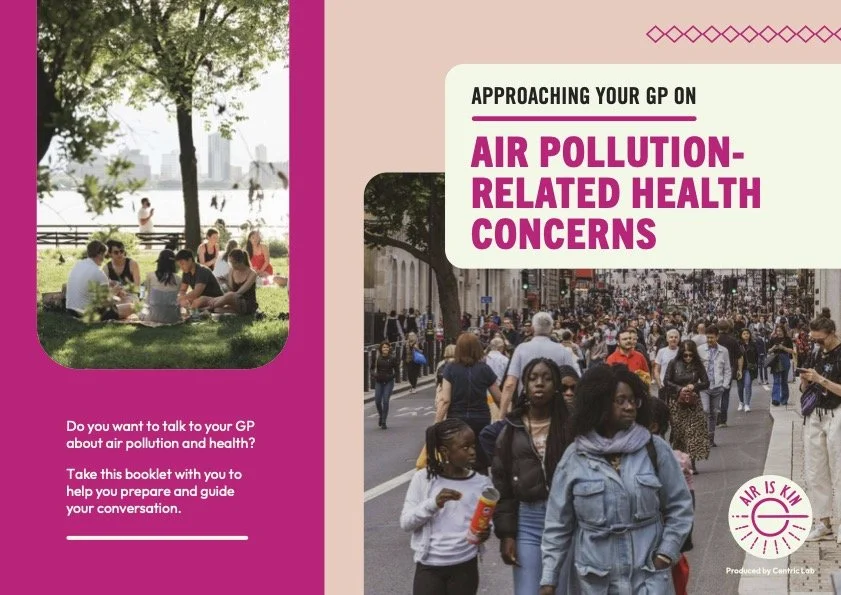
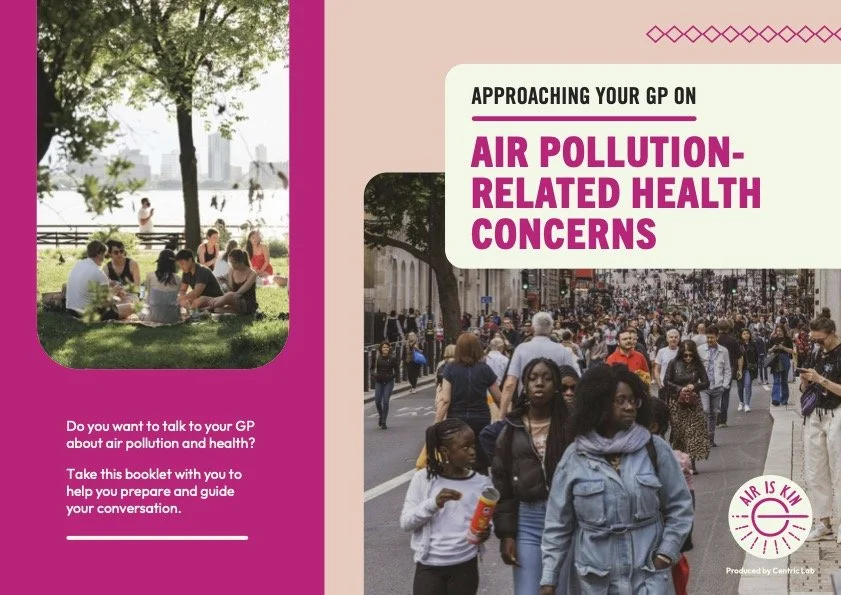
• Approaching your GP on Air Pollution-related Health Concerns.
• Approaching your Child’s GP on Air Pollution-related Health Concerns.
By co-creating these guidance resources for interacting with GPs, we aim to help facilitate a key healing pathway for communities impacted by air pollution.
To download a pdf copy of this booklet, please use this link or click the image.
Use this link to download the child’s health version of the booklet.
Further Reading
The healthcare system is an infrastructure with expertise and influence beyond the abilities of the average citizen when addressing the impacts of structural injustice.
From our experience, the motivation to approach your GP often starts with some combination of you and people around you observing changes in your health. We’ve chosen to address how people interact with primary care because your GP is likely to be the first institutional recognition of your health concerns. This booklet focuses on adult health and GP appointment.
From our experience, the motivation to approach your GP often starts with some combination of you and people around you observing changes in your health. We’ve chosen to address how people interact with primary care because your GP is likely to be the first institutional recognition of your health concerns. This booklet focuses on children’s health and GP appointment.
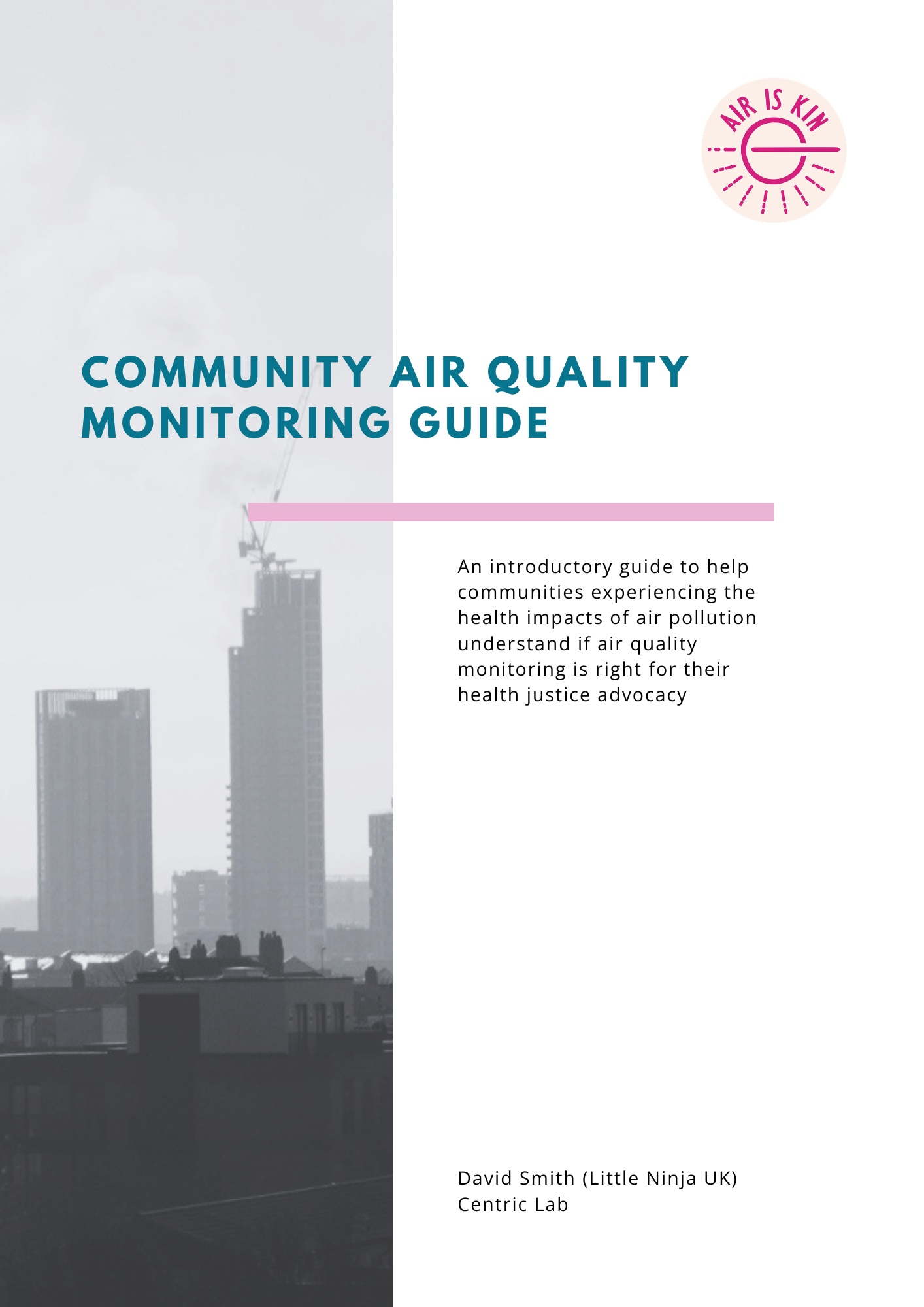
An introductory guide to help communities experiencing the health impacts of air pollution understand if air quality monitoring is right for their health justice advocacy.
Air is Kin (AIK) is a “living lab” supporting communities exposed to air pollution (from an industrial polluter) to withstand associated poor health outcomes.
We have created an ongoing methodology that will guide our work going forward. However, this is our first year of onboarding multiple communities, which will inform how our methodology develops.
The AIK Health Diary Symptoms Weekly Tracker is for people who prefer more structured and direct questionnaires to answer. These questions have been reviewed by community advocates, academics, and healthcare professionals to make sure that they are relevant for comfortably recording the lived experience associated with air pollution exposure.
The AIK Health Diary Info Guide provides the purpose, use cases, and methodology for starting your own health diary that captures your air pollution related health symptoms. We recommend sharing this document and discussing it with others who share your concerns about documenting their health or may want to assist you.
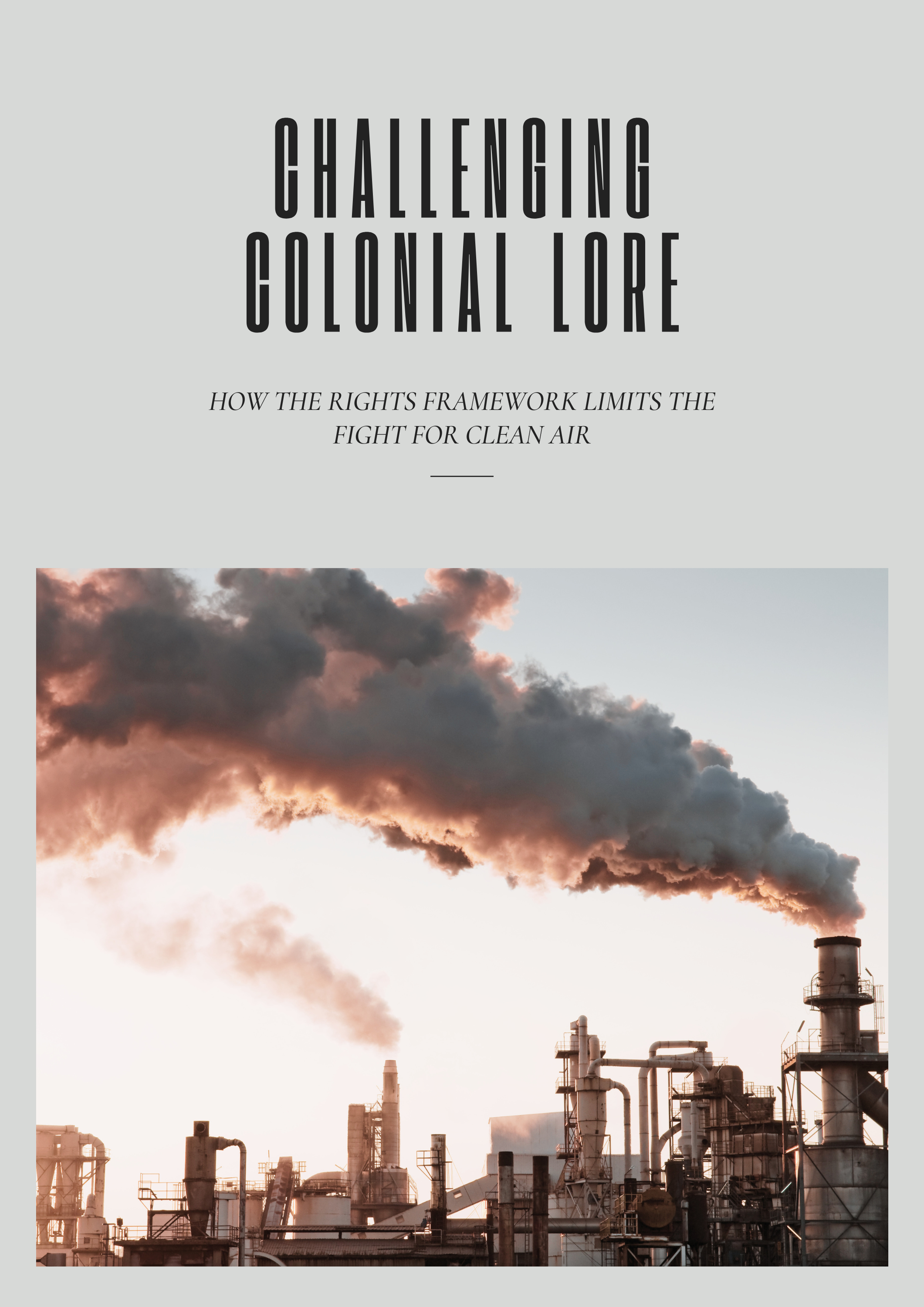
This Essay explores the relationship between colonization, U.S. property law, and the right to pollute. It argues that the foundation of U.S. property law is rooted in colonization, used as a tool to genocide Native Peoples of Turtle Island and colonize Indigenous Land.
Here we share some context and learnings from exhibiting work from Air is Kin in the Vital Signs exhibition at the Science Gallery London from 2024-25.
We present pathways, philosophies, and strategies for community-led healing to safeguard against air pollution.
On 11th October 2023, 14 people, ranging from the fields of medicine, policy, law, abolition, science, data science, economics, and art gathered to declare our right to access AIR.
In current conversations about air pollution, we have grown accustomed to perceiving Air as simply the absence of pollutants. However, Air is vastly more than this. We asked Dr Jake Robinson, who is a microbial ecologist to provide an understanding of Air that is more robust, spiritual, and scientific.
How governments arrive at air pollution policies and contamination allowances are dependent on science, governmental policies, and narratives that are culturally acceptable. It is also important to consider that currently policies and laws that protect polluters are all done without community consent. Therefore, in order for us to access air that is nourishing and clean, we have to employ an abolitionist strategy.
Air is Kin is a project led by a wide range of practitioners from leading university research centres, primary healthcare trusts, and grassroots campaign groups.
This Academy is a self-directed learning tool built as a “Miro World”. Across a number of modules and lessons you are able to be part of a connected and educated community can help move your advocacy forward at a more gentle pace. This includes its history, the science behind air pollution, how air pollution affects our bodies and minds. We have also added lessons to nourish and inspire your journey.
These sessions are an opportunity to ask questions about the programme, ask for advice if you are facing a pollution event, or ask questions about a specific challenge you are facing.
This is a live, working summary document of the Air is Kin Project. We are prototyping a method for working not only with communities, but also with the wider public. Science is often done behind closed doors and with little to no public knowledge or input. Whilst it is not realistic to include every single member of the public, we hope that through this document, we can keep a clear line of communication with the general public.