This work is for the people organising their communities around health and environmental justice and the structural decision makers in key industries, such as health, built environment, local authority, who see value in making informed and equitable strategies that impact communities.
This document intends to make the case for dedicated resourcing and infrastructure that enables community-led data to be accessibly gathered and applied to structural decisions that will impact those communities. This document also intends to make the case for collaborations between communities and the institutions who impact their local health and environments.
To download a pdf copy of this please use this link or read via the slideshow viewer on this page.
RELATED WORK
Data intentionally used for health justice considers the human, societal factors when creating ranges and values, such as how we frame the scoring of pollutants in the Stress Risk Score (SRS) based on research on the levels of pollutants that begin to affect chronic stress. We will walk through a loosely structured set of steps to understand how to take phenomena at a larger societal level and create meaningful environmental data for health justice.
The purpose of the Environmental Data for Health Justice board is to build confidence in how those seeking structural health justice outcomes through research, campaigns, and other forms of advocacy use data as a language to directly address health injustices and develop strategies for health justice.
The purpose of this data led study is to bring attention to everyday people those who have the right to pollute in their neighbourhoods, so that people can make more informed decisions when it comes to voting and priorities for our shared health and climate change action points.
When people can no longer use their home to heal and feel that they are in a place of rest, they are at greater risk of not restoring. The home in the case of higher costs is no longer a healer but a harmer.
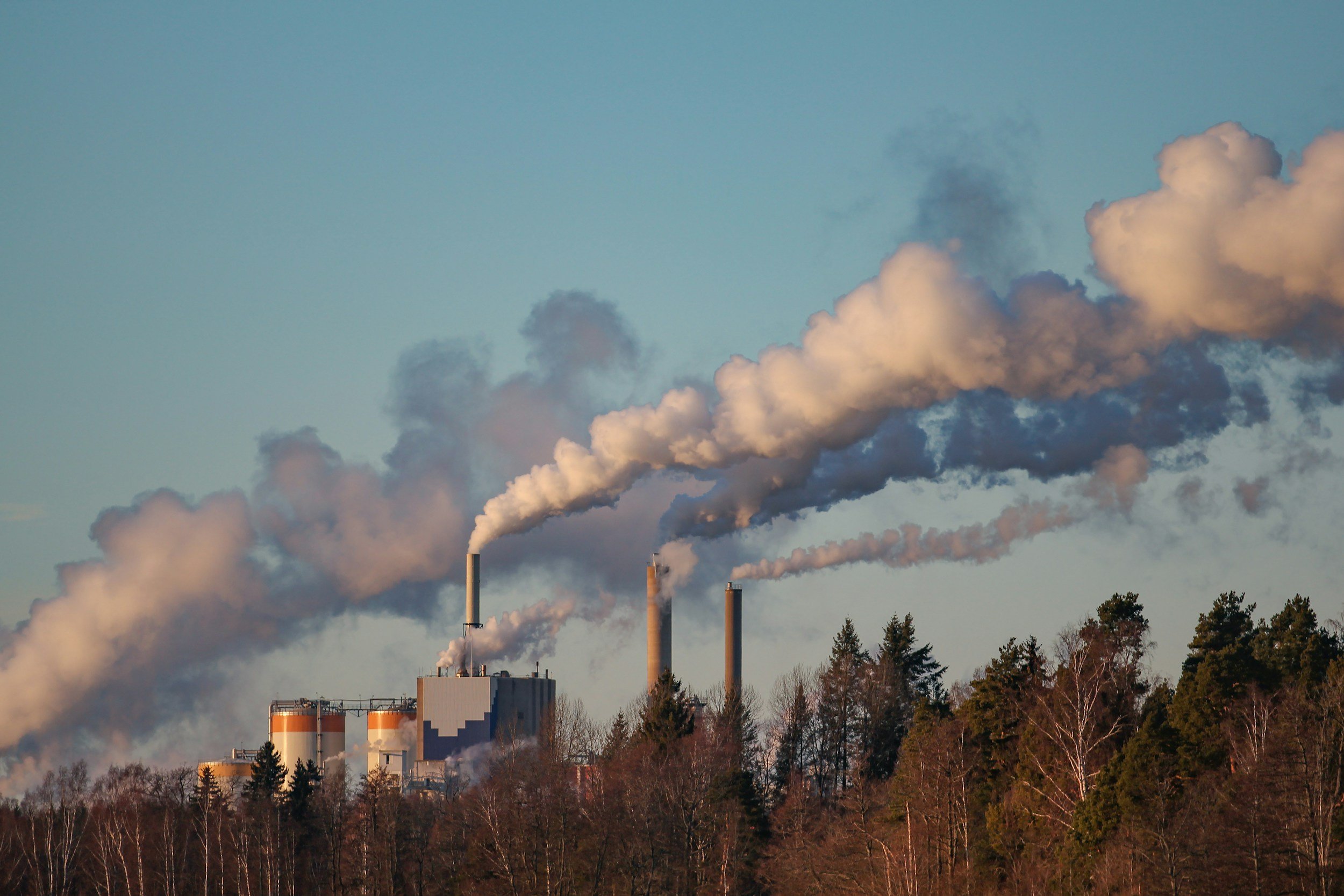
A data-led article on the toxification of Land in the UK at the hands of industrialisation whilst the general public is shamed and gaslit for their systemic need to get into a motor vehicle. All the while, millions of tonnes of chemicals are churned out into the environment.
Data does not operate in a vacuum as every part of the process is coloured by top down factors such as culture. Which data is collected, how it is analysed and the insights drawn from data are all decision points practitioners have to make and all practitioners belong to a specific culture which influences them.
This document will look at how industry gaslights communities, the mistakes science makes, and the significance of listening and acknowledging the lived experience. This report is for both practitioners and citizens who are experiencing environmental and health injustice.