It’s not the what, it’s the how
INTRODUCTION
This essay was commissioned and first published by the British Science Association in February 2025. It covers the story of Centric Lab and Clean Air for Southall & Hayes collaborating to rethink the health impact assessment.
“People who reside in, and have history with, neighbourhoods know them best. They are best placed to identify what happens when policies intersect, because they live the outcomes of these relationships. This knowledge needs to be respected in the same way as professionals with acronyms at the end of their names, who despite having knowledge in the intricate application of policy work within a system, don’t experience the outcomes.”
“One night, I opened my front door to such a strong gas smell I actually thought someone was trying to gas me and I rang the police”.
These are the words of Janet Griffiths from Southall, west London. Janet is part of a grassroots campaign group called Clean Air for Southall & Hayes (CASH) and this research project has been based around the experiences of this group working in collaboration with Centric Lab, an independent science lab. Good community research should always centre the story of the community it is serving. This story is about people experiencing a health injustice through the systems that govern them. Like many stories of injustice, this one seeks a just ending - an outcome rooted in dignity and a healthy existence.
Good community research should always centre the story of the community it is serving. This story is about people experiencing a health injustice through the systems that govern them. Like many stories of injustice, this one seeks a just ending - an outcome rooted in dignity and a healthy existence.
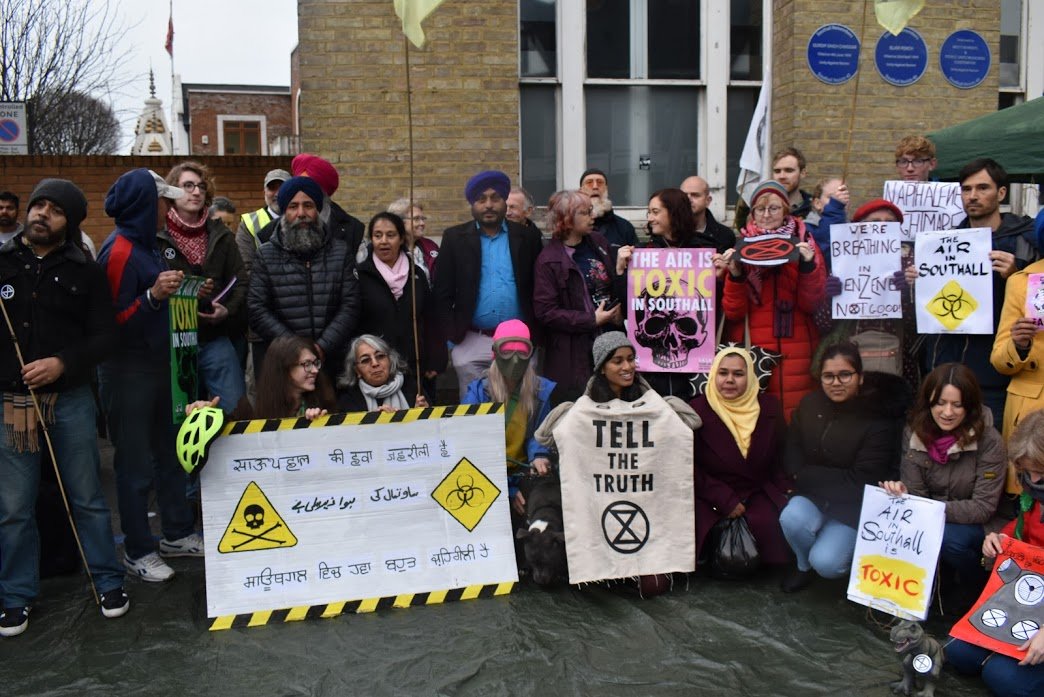
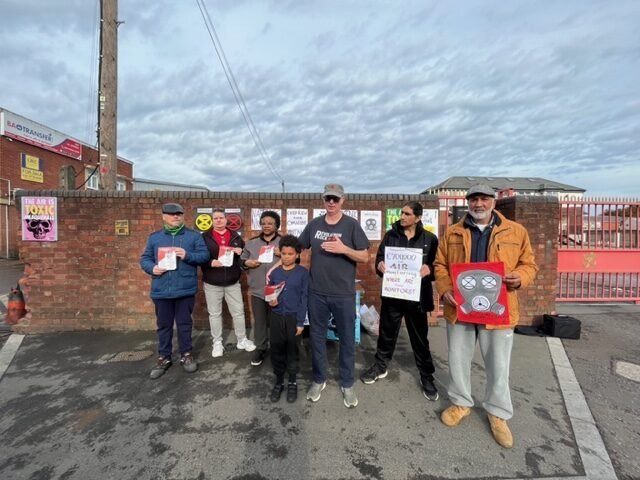
Residents from Southall protesting in 2018 about the gasworks site with contaminated land
SUMMARY
Centric Lab and CASH began working together in 2018, finding each other through social media. Since then, we have aimed to co-produce justice-led research on the impacts of air pollution on marginalised communities. This essay tells the story of rewriting the rules of a Health Impact Assessment, a co-production journey that has not only helped a community identify and evidence racial health inequalities but also raised the profile of the issue and led to similar projects across the UK, whilst also demonstrating opportunities to improve policy design and implementation. And although the ending has not yet been written, the impact of the work is being felt more widely than just the story of Southall.
The community-led approach that we advocate for:
Allows for people’s lived experiences to shape the systems that change their neighbourhoods and livelihoods;
Creates dialogue as opposed to relying on a system of scoring, moves towards a less data determinist, more accurate and nuanced identification of health impacts;
Influences what democracy, equity, ethical use of data, and sustainable development look like
Co-production with justice-led research and practice can be a site of healing, repairing harms caused and creating new systems of governance and care. This project explores that journey.
BACKGROUND
In 2017, soil remediation works began on a highly contested redevelopment of a former gasworks and chemicals factory site in West Southall. Local planning authorities and residents had raised concerns about developing the land, however the Mayor of London’s Office believed that as long as regulations were met this site would “provide thousands of the homes and jobs Londoners need” and thus consent was granted, beginning a 25-year regeneration project.
Soon after, a putrid gasoline-like smell filled the air, giving residents cause to believe that carcinogenic chemicals like benzene were no longer in the soil, but airborne. Illnesses started to amass. Residents started to complain of headaches, sore throats, chest pains, being short of breath, dizziness, fatigue and more. Others resorted to hiring oxygen tents for their children to sleep in .
This went on for many months and residents began to organise, forming the campaign group, Clean Air for Southall & Hayes (CASH). Despite continued protest and efforts to bring the situation to the attention of authorities for action, it seemed that nothing could be done - CASH were repeatedly assured that the levels of contamination fell within acceptable limits and all policies and regulations had been met.
To a community who had faced a long history of racial prejudice and been subject to past discrimination from those in power, this felt unjust, further exacerbating the systemic inequalities they had been subject to for so long
“No one wants to take responsibility for us and we’re paying the price with our lives. We’ve been knocking on the doors of the council, PHE [Public Health England], EA [Environmental Agency] and politicians for years,” CASH member Joginder Singh Bhangu told The Guardian. “Our community has fallen through the cracks.”
WHAT WENT WRONG?
In the UK, every new major property development, or policy change, undergoes a process in the planning stage to systematically identify and assess health and wellbeing impacts – this is known as a Health Impact Assessment (HIA) and refers to things like ‘safe levels’ of exposure to possible contaminants.
You may be asking yourself - how could it be safe if it's this bad for people?
Because of the theory around “safe levels” and policies not addressing the issue of community susceptibility.
The World Health Organisation (WHO) states that air pollution guidelines should be set according to the susceptibility of the local community. In social epidemiology, being more susceptible means some members of the public, located in certain geographical areas, are likely to have lower physiological thresholds to the pollution entering their bodies and more likely to experience negative health impacts.
When we came across the Southall development’s HIA, we realised that the process failed to reflect a scientific framework to contextualise the specific environmental, cultural, historic and social dynamics experienced by the community of Southall. Southall is an area of west London that experiences high levels of structural deprivation (as measured by the ONS Index of Multiple Deprivation) as well as pollution coming from a wide range of sources, such as asphalt plants, industrial business parks, and being downwind of Heathrow Airport.
Southall is also a predominantly multi-ethnic working-class and highly racialised community living in a structurally deprived environment where 41.4% of children live in poverty, higher than the UK average of 30%. Studies show Black, Asian, and Minority Ethnic groups inhabit more deprived and environmentally polluted neighbourhoods.
Centric Lab neuroscientist, Araceli Camargo, summarised this by saying: “The specific challenges to the health of people in Southall, such as overcrowding, stress and poverty, should have been evaluated before introducing a major new source of air pollution.”
We asked ourselves: What if the template from which this assessment was performed was different? What if it reflected community life more? What would it look like if a community designed it? Could all these problems have been avoided?
As a team we agreed on the scientific and practical premise of what we were going to do: redesign an HIA template that reflected the lived experience of the community, backed by World Health Organisation principles and (neuro)scientific research.
THE SCIENCE
The innovative approach we took to the project was to base it in a scientific area of allostatic load theory. Allostatic load is the "wear and tear" on the body that results from the body's physiological systems working to adapt to internal and external stressors - the physical and mental health impact of chronic stress and life events.
This theory has a long history in justice movements, starting with the “weathering effect”, which highlighted the health disparities between African American men and women. It supported justice for African American women, as due to their biological stress burden they suffered more acute symptoms of depression, dementia, and neuroendocrinological diseases.
The greater the existing number of stressors (psychological or environmental), the greater the risk of being more susceptible to impacts on immune systems. This area of work, rooted in the study of the HPA-Axis16 - a full brain-and-body communication system that create a feedback loop of hormones to enact and regulate your body’s stress reaction. This area of science helps build a physiological bridge between the urban environment and the human body.
This means that collectively we can no longer frame health through individual activities and behaviours but need to understand health from an ecological point of view. This allows for the quantification of activities, pollution, services, and resources that take place in an area and using this as a science informed proxy to qualify the levels of stress put upon people by the socio-political, and economic, conditions they live in.
WHAT WE DID, AND HOW
Co-creating research in direct solidarity with communities has the capacity to be healing for people who have felt abused by powerful systems. The solidarity aspect is especially important, as it means that scientists, authorities, and organisations wait to be invited and meet the communities where they are emotionally and practically. It also means “walking” at the community’s pace and moving out of the way so they can continue to identify the journey to justice .
To actively work on something that can change future practices, as well as support others in the same advocacy space, is meaningful. But, at the same time, this can be retraumatising, especially for those who continue to live in the moment. Every meeting attended; response to consultation; networking activity, can re-harm. This meant that, with Centric Lab as facilitators, it was necessary to design care and dignity into our process. The project’s respective leads, Josh Artus (Centric Lab) and Angela Fonso (CASH), met in advance and identified an approach that would be gentle on the wider CASH community, building on the long-standing research relationship that was set up in 2018.
We wanted to redesign the whole system, not just rewrite the existing document template. A key first step for this was just to create space for every issue, thought and experience about what had happened to date to come out and for it not to be contrived into a particular policy or consultation agenda. It was fundamental to the success of the project to create a space for everyone who would be working together to be heard, and to listen, free from any policing - something that doesn’t reflect from many people’s experiences in typical institutional or corporate settings.
As time went on, we began to see how the experiences we shared mapped on to the WHO four interlinking values of democracy, equity, sustainable development and the ethical use of evidence. Had the process started directing where feedback would be given, we would have been creating a hierarchy, a power imbalance, and removing the humanity of the people involved.
Also critical to the success of this work was giving it time. Over the following months we met fortnightly in the evenings to collectively work. We all agreed a schedule of work – exploring what HIAs had been done, what we thought of them and what an alternative approach might look like. We began to identify underpinning principles - we asked ourselves, ‘What does good health look like?’ and ‘How do we see that in our neighbourhood?’. We developed a shared theory of change, and reflected as a research team on how this piece of work would shape the ongoing goals of CASH.
We then started to write our assessment template. We went through our notes and pulled out items that were key health indicators, and then set metrics to measure them by, and link to existing data sources. This meant that someone else could use this template without us. It was crucial that we used existing datasets as a way to validate the professionalism of the work.
When we got to the end of our first phase, we arranged an online group session with a number of other grassroots organisations in the UK who were in a similar situation. This helped us sense-check progress and sow the seeds for future relationships with those who might want to work with us should we receive further funding.
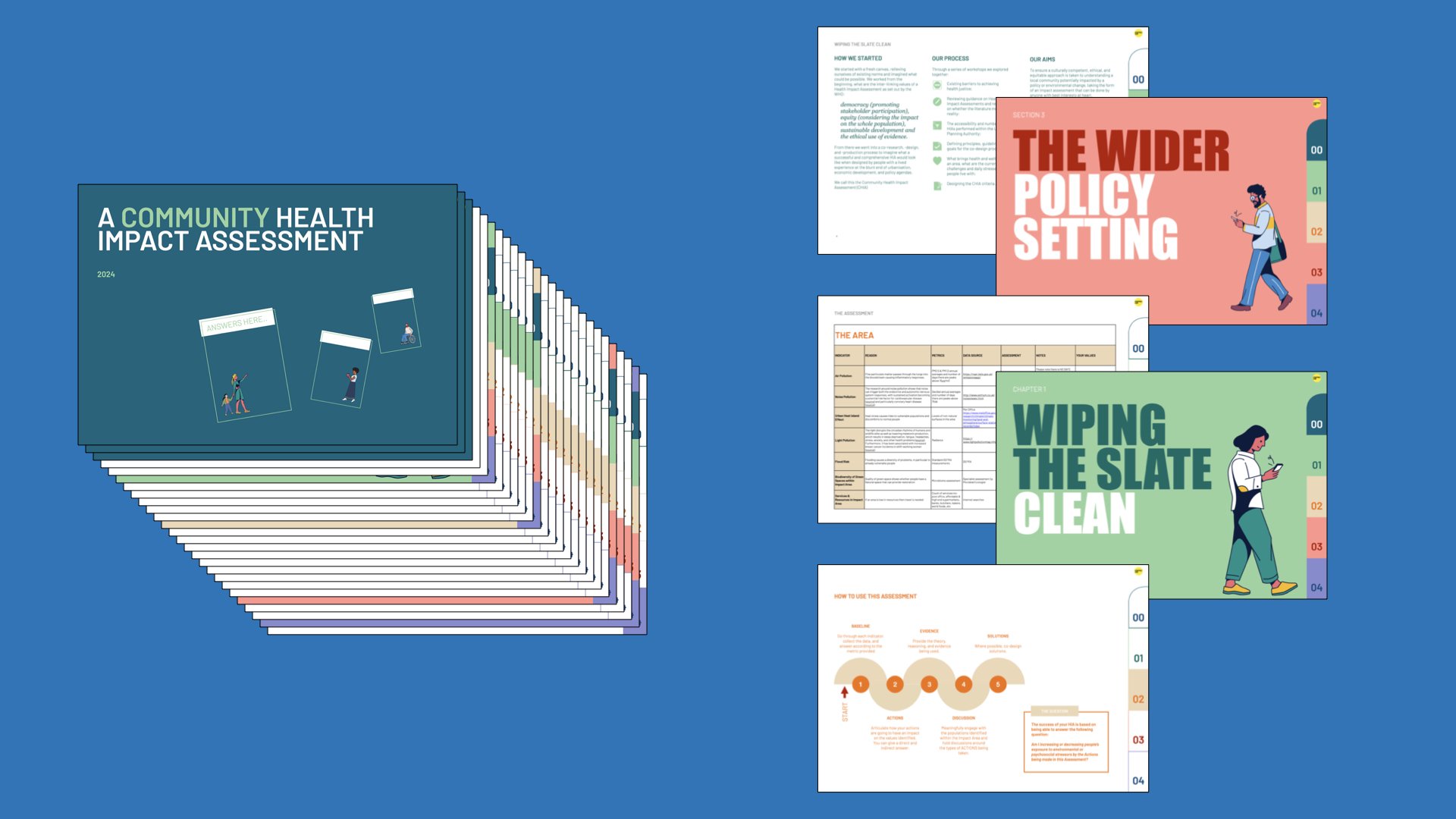
Finally, our community-led Health Impact Assessment (CHIA) template was ready. To support others in this we turned our journey into an open-source exercise book which we shared freely with our networks. We went on to meet with the leader of Ealing Council and members of the London Assembly and Green Party, as well as other organisations who wanted to listen and engage. This was great, but we felt it was more important to share the process and the work so that others could organise and benefit in the same way.
With further support from UKRI’s Community Knowledge Fund and charity Impact on Urban Health, we were able to facilitate a learning programme for 10 groups from around the UK. The programme started in early 2024 with the intention of groups developing their own CHIA throughout summer and autumn. A key win for one group in particular has been using their CHIA to demonstrate to their local planning authority that health inequities for the local racialised communities were not being taken into account in the Local Plan, and policy amendments are now being made.

WHAT DID WE UNCOVER?
Here we come back to our opening statement: it’s not the what it’s the how.
We discovered that in general, we agreed with a number of the health indicators used in the various health impact assessments. However, we disagreed with the approach to how the data/metrics and evidence were being applied.
In particular, we debated whether new housing alone is a positive indicator of improving local health, given the experiences of unaffordability, toxicity of new construction and design materials, and insecurity of tenure. We challenged the notion that the mere provision of a food retail unit owned by a multinational could be considered a positive indicator when it does not take into account the cultural needs of local people. Lastly, and most importantly, we questioned whether the HIA process itself embodies good governance and democracy; we felt that it was a process being performed, delivered, and regulated behind closed doors without any input from the very people it will impact.
CONCLUSION
Understanding how a system behaves is crucial to changing what it does.
People who reside in, and have history with, neighbourhoods know them best. They are best placed to identify what happens when policies intersect, because they live the outcomes of these relationships. This knowledge needs to be respected in the same way as professionals with acronyms at the end of their names, who despite having knowledge in the intricate application of policy work within a system, don’t experience the outcomes.
CASH and Centric Lab have worked together to reimagine Health Impact Assessments, giving power to citizens to shape how health in an urban context is experienced. A CHIA is a method to “build policy that protects community” - Angela Fonso, CASH. The CHIA toolkit and example we created and published is downloaded weekly. Community groups and like-minded organisations across the UK, Ireland, and the USA access the works to continue their advocacy.
As more blocks of high-value apartments are permitted on the gasworks site today, CASH continues to advocate for greater community voices in planning and local area management. If only a CHIA like ours had been in place at the beginning, we may not have had to do this.
CASH's story may not have the just ending it deserves, but it will hopefully influence others' stories so that people can get on with their lives and not have to protest for something as fundamental as their health.
Further Reading