
HEALTH
JUSTICE
SUMMIT
IN PERSON
17th November | The Pirate Castle, Gilbey's Wharf, Oval Rd, London NW1 7EA
VIRTUAL
18th November | Online (a Google Meet link will be sent closer to the time)
2026
BUILDING HOPE
In the context of justice, hope lies in the survival and healing pathways created by communities that enact another reality. A reality of dignity and Kinship.
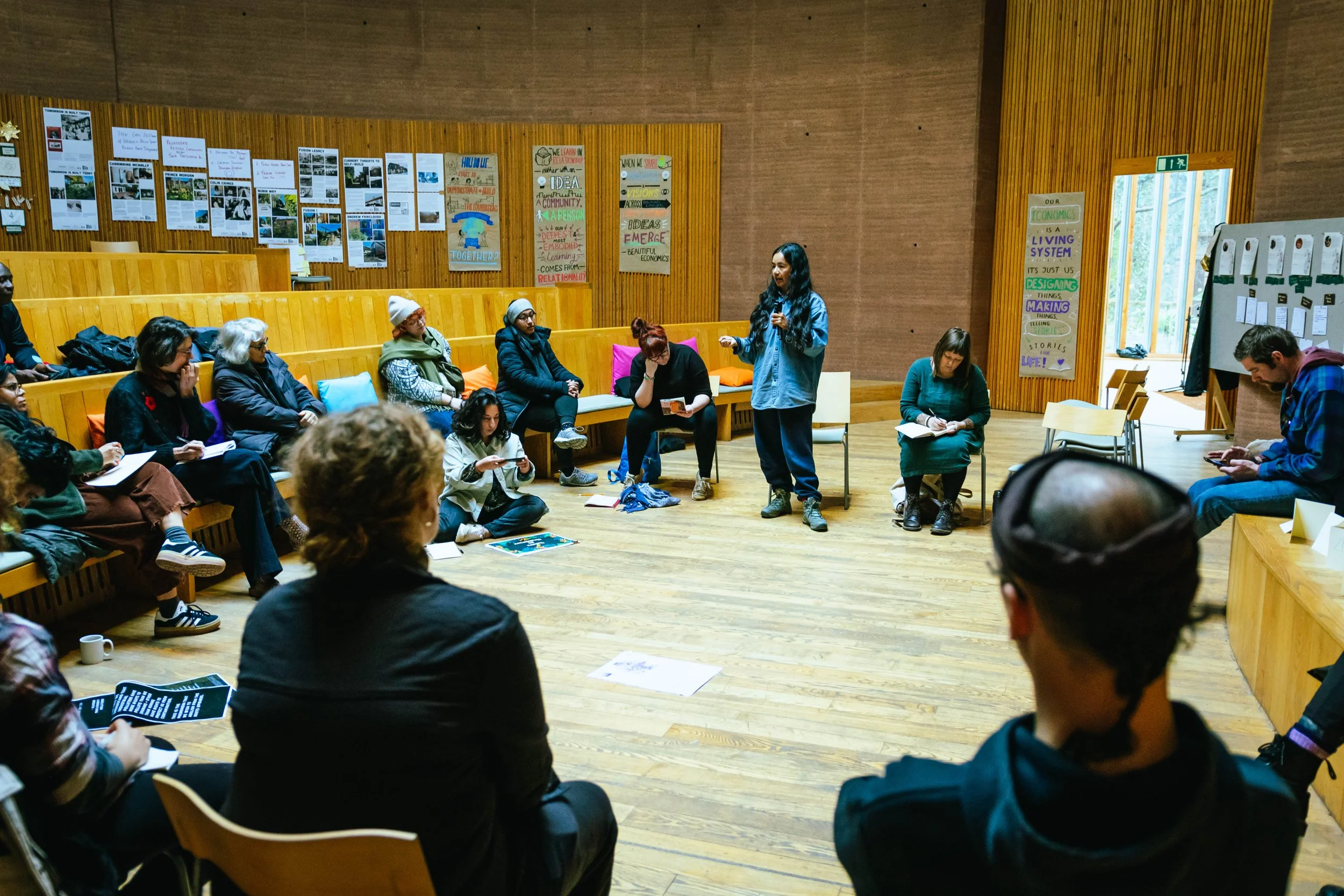
This gathering is a showcase and celebration of the multiple ways people are seeking health justice and enacting healing practices for and with their communities.
Speakers
IN PERSON / VIRTUAL
-
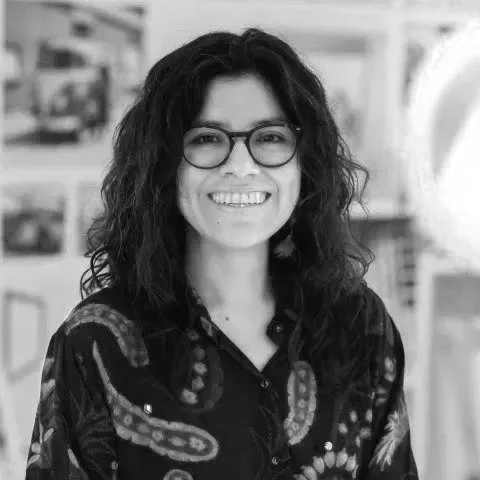
She is a Quechua Amazonian evolutionary biologist, who studies the diversity, evolution, and origins of plants in the Andes and Amazonia. Her main interest is to explore Indigenous and local plants and support their use within their custodians. Through her work she is addressing challenges like food insecurity, biodiversity conservation, and the preservation of traditional knowledges.
WHY THEY ARE INVITED
Anthony has a mastery of language, being able to express complex social problems with accurate emotiveness and precision. This allows us, as an audience, to understand our experience at a deeper level and perhaps with more empathy. This art is crucial and life saving in eras like ours. He will be teaching us the agency language gives us and guiding us through an essay writing process.
LINK TO THEIR WORK
-
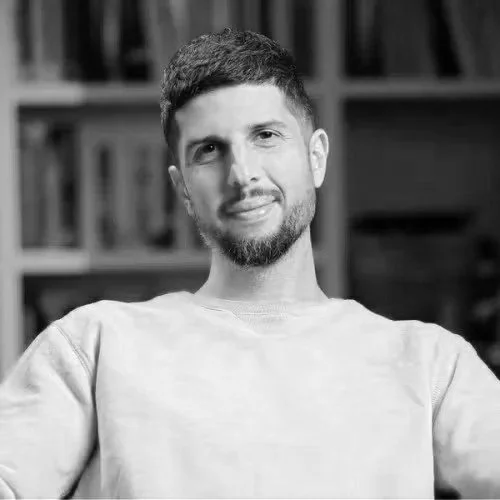
Poet, essayist and publisher.
His third collection, Heritage Aesthetics published with Granta Poetry in 2022, won the RSL Ondaatje Prize 2023 and was shortlisted for the Anglo-Hellenic League’s Runciman Award. His second collection, After the Formalities published with Penned in the Margins was shortlisted for the 2019 T.S. Eliot Prize, along with the 2021 Ledbury Munthe Poetry Prize for Second Collections. His other published titles include How To Write It with Merky Books and The Blink That Killed the Eye, a collection of short stories published with Jacaranda in 2013. Anthony is the founder and artistic director of Out-Spoken Live, a monthly poetry and music night held at London’s Southbank Centre, and publisher of Out-Spoken Press.
His forthcoming collection Speech Acts will be published with Fitzcarraldo Editions in Spring 2027.WHY THEY ARE INVITED
Anthony has a mastery of language, being able to express complex social problems with accurate emotiveness and precision. This allows us, as an audience, to understand our experience at a deeper level and perhaps with more empathy. This art is crucial and life saving in eras like ours. He will be teaching us the agency language gives us and guiding us through an essay writing process.
LINK TO THEIR WORK
-
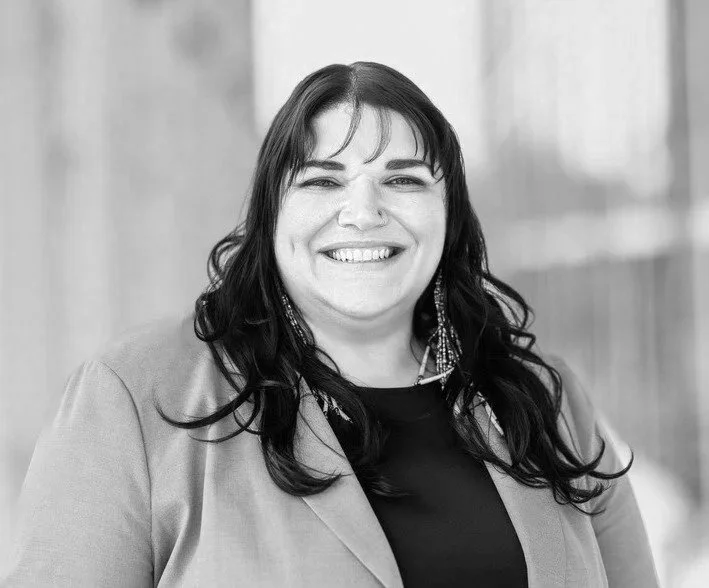
Turtle Island Land Scholar, Visiting Assistant Professor of Law at Tulsa University, Tribal Law
Specializing in tribal law and federal Indian law. Her research explores the ways in which federal Indian law impacts tribes’ ability to govern, and conversely, the ways in which the United States and its legal systems can look to tribal law as a source of legal innovation. Before joining The University of Tulsa, Carson was a Skadden Fellow for the Tribal Law and Policy Institute and later worked as a tribal law and policy consultant. In those roles, she focused on tribal justice and nation building, including the development of innovative justice systems such as Tribal Healing and Wellness Courts, Peacemaking programs, restorative justice processes for tribal youth and other Indigenous justice initiatives.
WHY THEY ARE INVITED
We cannot have Land justice without understanding the systems of law that prevent Land liberation. She will be addressing the link between the right to pollute laws and colonialism in the context of air pollution. She has been working with us to understand lore behind the laws that end up polluting our Air, Water, and Land. Grace is building hope through building the legal infrastructure that provides Indigenous Peoples with a future without settler colonialism practices.
LINKS TO WORK
https://utulsa.edu/people/grace-carson/ https://www.thecentriclab.com/air-is-kin/colonization-us-property-law-and-the-right-to-pollute
-
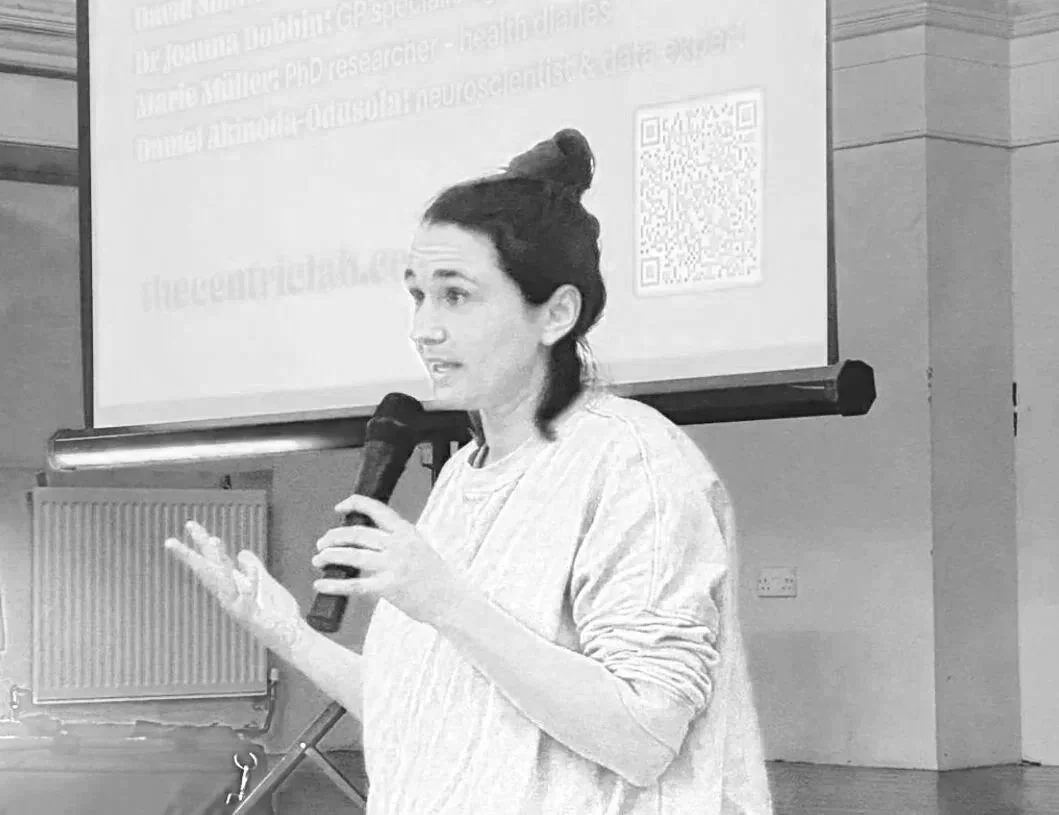
GP, Health Justice Advocate, Medact
Dr Dobbin is an NIHR In-Practice Fellow in the Primary Care and Public Health Department at UCL. She is also active in professional development and collaboration, serving as the UK representative for the European Young Family Doctor Movement on behalf of the RCGP.
Her interests extend to health equity and social justice. She is a member of the Migrant Solidarity Group and Medact, and volunteers with Doctors of the World. Her research focuses on health inequalities driven by NHS charging regulations.
WHY THEY ARE INVITED
Dr Dobbin navigates the complex landscape of healthcare, social determinants of health, and health justice with great empathy and scholarship. Her work gives us hope through the co-creation of systems of healthcare that acknowledge the reasons why we are getting sick. We have been working with her across various programmes, where we are co-creating tools that provide communities facing health injustice with agency.
LINKS TO WORK
https://www.ampthillregentsparkpractice.nhs.uk/team/dr-joanna-dobbin
https://www.thecentriclab.com/obesity-health-justice-work/obesity-health-justice-pamphlet
-
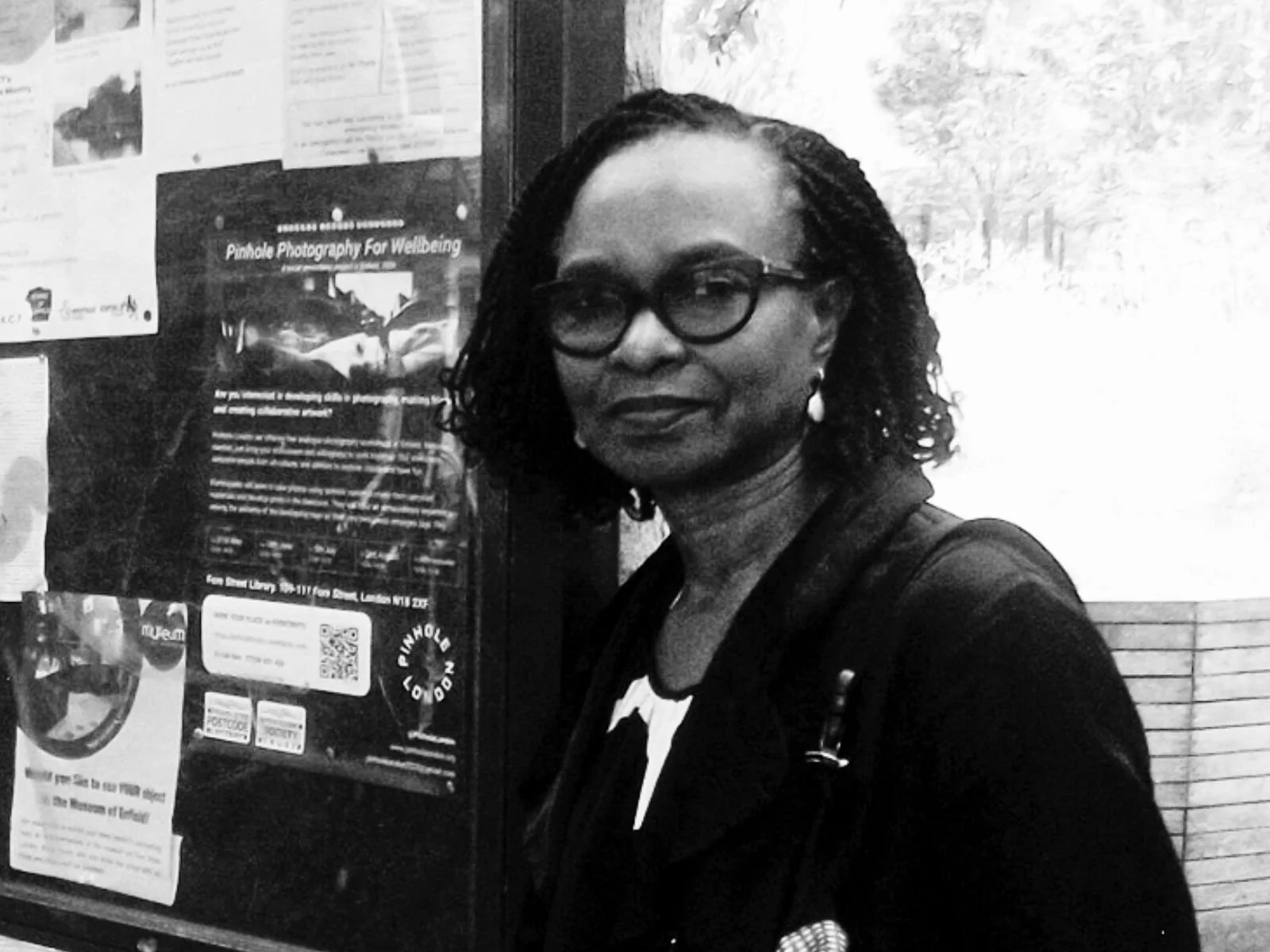
Community organiser, human rights
She is the vice chair of Residents of Edmonton Angel Community Together (REACT), which represents over 3000 homes. They work with communities with different religions and cultures. Our aim is to give a voice to our residents by continuing to work with Enfield Council for better living standards for all our residents, bridge differences thereby creating good neighbourly relationships in Upper Edmonton.
Cellina has a background in local government and human rights, which remain part of what drives her in community activism.
WHY THEY ARE INVITED
Cellina represents that community is still the most effective pathway to justice, dignity, and liberation. We cannot build hope in isolation, it needs communality, social cohesion, and the energy of the people. We started to work with her around clean air advocacy, where she is helping her community keep a health diary to begin to address the health injustice driven by air pollution and various other systemic violences.
LINKS TO WORK
-
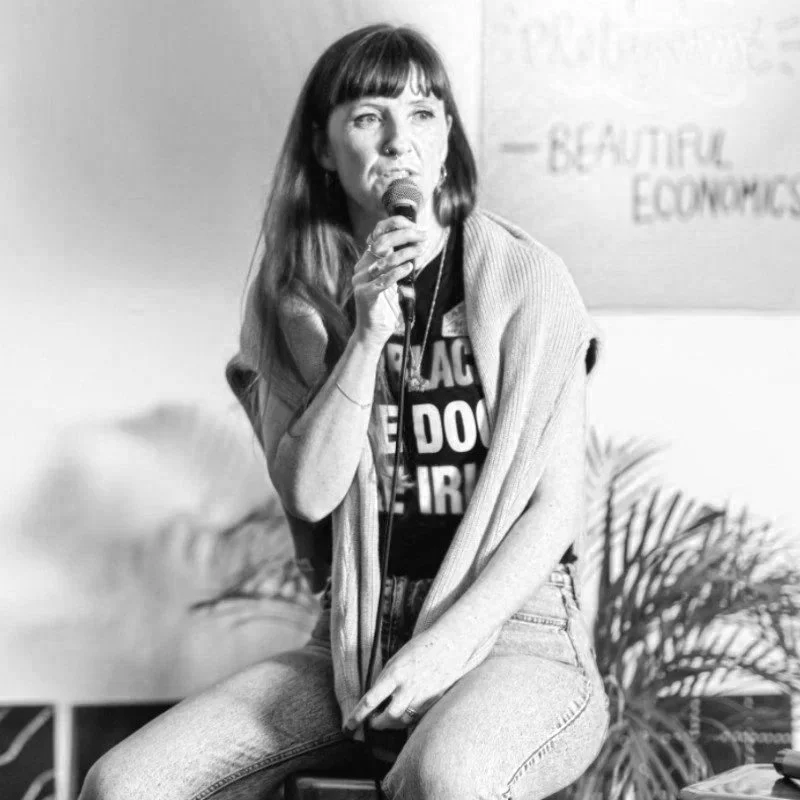
Architect, activist.
She co-founded Home Energy Action Lab (HEAL) a framework test bed for community based domestic retrofit services. She is a director of Studio seARCH, a consultancy that advocates for systemic change around low carbon domestic retrofit.
Previously she spent 3 years as head of Citizen Engagement at Built Environment – Smarter Transformation, the innovation centre for the built environment in Scotland, 3 years as a coordinator at the Architects Climate Action Network, and a year as social housing associate at the Passivhaus Trust.
Working in the face of a climate emergency, the focus of Sara’s work is to drive essential change in the built environment and wider communities through connecting bottom-up, grassroots projects and top-down strategies and initiatives. Collaboration is a fundamental part of this work.
WHY THEY ARE INVITED
Hope is a practice, created through tools, resources, and knowledge, through her work Sara is providing us with the physical infrastructure to help create homes that sustain our life as we face the incoming changes in our weather systems. The home is crucial infrastructure of all living beings, it is where we heal, dream, and create Kin. We have been working with her for a year on the link between retrofit and health justice.
LINKS TO WORK
https://nationalretrofithub.org.uk/about/meet-the-team/
https://www.thecentriclab.com/chia/the-role-of-community-health-impact-assessments-in-retrofit
-
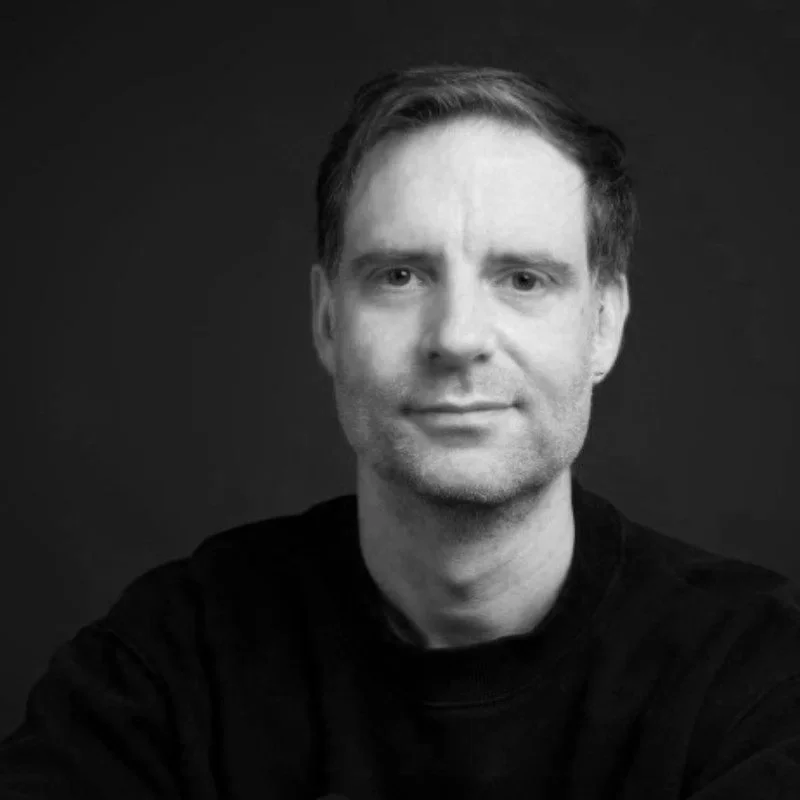
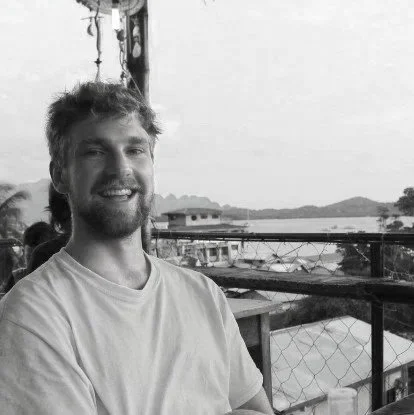
Associate Professor in Science, Technology and Society at University College London
Stephen's research explores relationships between science, technology, and society through an affective psychosocial lens. He is fascinated by the role that emotions play in science communication and public engagement, particularly in contexts of difficulty, discomfort, and controversy.
WHY ARE THEY INVITED
He is able to break down how emotionality and emotional states play a role in the effectiveness of scientific work and its communication. This is especially important when co-creating emancipatory scholarship with
LINKS TO WORK
-
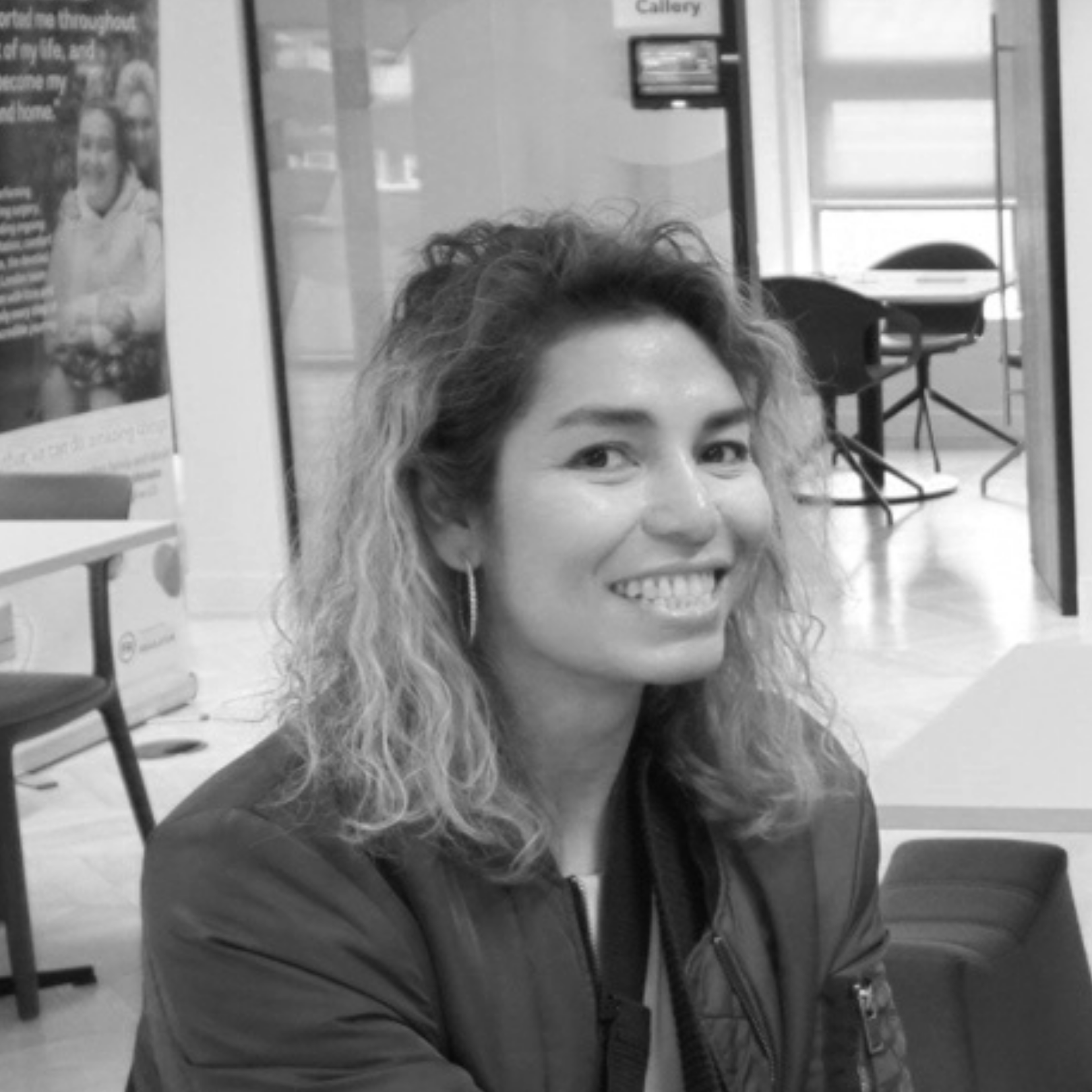
Doctor, Working on a PhD in Ecological Health Justice, Health Justice Advocate
His PhD research looks at the potential of urban agroecology for health justice, where he is working with the human microbiota, who can teach us how we're becoming the places we inhabit. With attention to the roots of health inequities, in particular access to land, we hope to support the movement towards an ecological and decentralised public health.
WHY THEY ARE INVITED
Healing with the Land is a significant pathway towards health justice. Understanding the physiological mechanics of how our bodies directly entwine with the Land is not only important for understanding health, it is important for changing long established supremacy Lore. We are not separate from the Land, we are the Land. When we all understand this, we will no longer tolerate the laws, narratives, and imaginations that seek to separate us from the Land or seek to harm the Land. Providing us with frameworks that open up our imaginations is crucial to world building, this is where hope lives.
LINK TO WORK
-
Trans and Migrant Justice Advocate, community organiser, Migrant from the Philippines
Nina is an experienced community organiser around Trans health justice, migrant rights, refugee rights, and domestic worker rights.
WHY THEY ARE INVITED
We invited Nina to speak about the role joy plays in her work, specifically joy as a practice. This is part of her continual work with us, where we are exploring emotional states, such as joy in readying the body for healing.
Link To Work
https://tinig-uk.com/2023-filipinos-have-a-stronger-voice-in-the-uk
https://www.thecentriclab.com/trans-gnb-health-care/hjgrants-joy-precarity-rematriation
RSVP
The event is by RSVP only and its an intimate gathering, therefore, please don't RSVP if you are uncertain about attendance or if you can't make the whole day.
The summit is being held at the fully accessible venue of The Pirate Castle, Gilbey's Wharf, Oval Rd, London NW1 7EA
RSVP To