Decarbonisation, Natural Gas, and Health
1st April 2022
INTRODUCTION
Today, millions of people across the UK are receiving higher bills for natural gas. Much of this is down to abuses of free market economics, commodity speculation, and the continual Russian invasion of Ukraine.
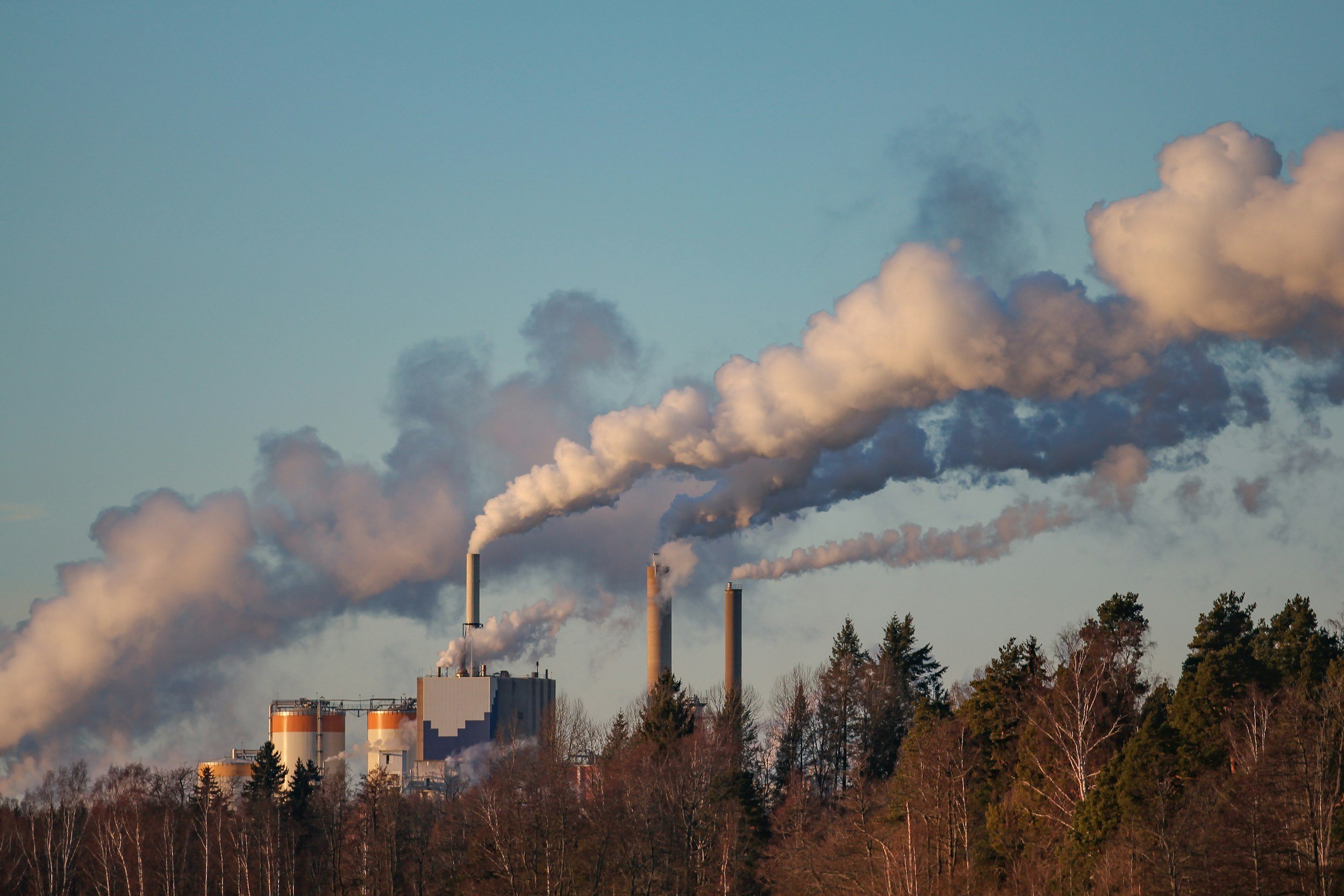
What is rarely spoken in the conversation of natural gas are the chemical emissions from UK based processing plants. The move away from a reliance on a natural resource should be supported by the health and environmental benefits it will bring to people living in close proximity to industrial sites, and to our overall biodiversity regulation.
“We rarely speak about the toxification of Land in the UK at the hands of industrialisation, instead the general public is shamed and gaslit for their systemic need to get into a motor vehicle. All the while, millions of tonnes of chemicals are churned out into the environment; polluting water ways, natural habitats, and the air we all breathe.”
OUR STUDY
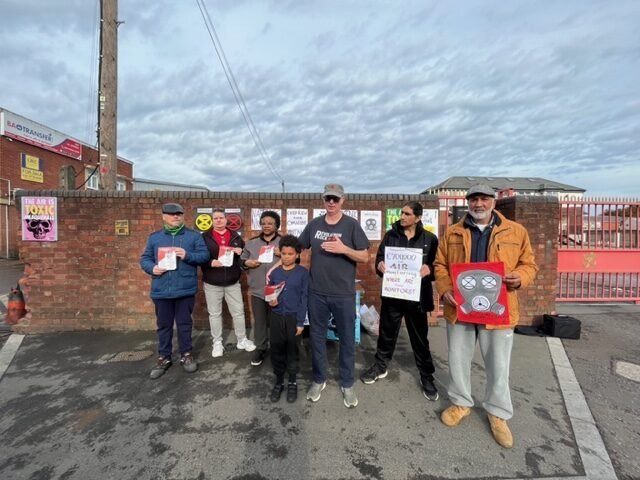
The inspiration from this work comes from our support and engagement with the Clean Air Southall & Hayes campaign group from west London. Since 2017 their air has been contaminated by carcinogenic chemicals such as benzene, cyanide and naphthalene. Due to inadequate central, city and local government policies a multi-ethnic working class community has been facing a health injustice with little sight of change. At the route of their problem is a two-fold issue; the historic right to pollute culture is/has contaminated land for centuries and little care is paid to the notion that due to socio-economic conditions some people are more susceptible to others in changes to environments.
We rarely speak about the toxification of Land in the UK at the hands of industrialisation, instead the general public is shamed and gaslit for their systemic need to get into a motor vehicle. All the while, millions of tonnes of chemicals are churned out into the environment; polluting water ways, natural habitats, and the air we all breathe.
As has been covered many times before, the Environmental Justice movement came out of the racialised Black and Brown communities in the United States of America. In particular, Prof. Robert Bullard's work investigating the outcomes of chemical plants of Louisiana has led to an area known as 'Cancer Alley'.
Using data published by the National Atmospheric Emissions Inventory we investigated the sources and amounts of the pollutants being produced as a result of our reliance on natural gas. Here are some key insights:
269,921.05 tonnes
of 30 emission types that are poured into local environments every year that could be removed if we moved away from a reliance on natural gas.
260,815.73 tonnes
of Carbon Dioxide from 32 Sources could be avoided by moving away from a reliance on natural gas through renewable resources or lower demand.
Teeside Gas Processing Plant
in Stockton-on-Tees is responsible for 11,998.09 tonnes of emissions into areas ranked in the bottom 10% of deprivation in the country.
The Isle of Grain LNG Installation Site
was responsible for 19,652.97 tonnes of emissions into the Hoo Peninsula in Medway council, with the nearest town of Sheerness being in the bottom 10% of deprivation.
4.8 tonnes of methane
could be removed from the 33 locations across the UK with a move away from natural gas processing.
346.77 tonnes of Sulphur Dioxide
are emitted from just one station: Cowdenbeath in Fife, Scotland
Explore the data yourself. All of this comes from the processing & distribution of natural gas in the UK.

RELATED WORK

Data intentionally used for health justice considers the human, societal factors when creating ranges and values, such as how we frame the scoring of pollutants in the Stress Risk Score (SRS) based on research on the levels of pollutants that begin to affect chronic stress. We will walk through a loosely structured set of steps to understand how to take phenomena at a larger societal level and create meaningful environmental data for health justice.
Taking on an Ecological Justice approach to the NPPF requires a foundational shift to the role and motivations around planning and the relationship with land in the UK.
The purpose of this Systems of Power board is to build confidence for community and grassroots led advocacy in health justice issues as they navigate political and governmental systems and their layers of entrenched power.
The purpose of the Environmental Data for Health Justice board is to build confidence in how those seeking structural health justice outcomes through research, campaigns, and other forms of advocacy use data as a language to directly address health injustices and develop strategies for health justice.
This project brought together people with knowledges across a variety of policy, organising in healthcare and the criminal justice system, as well as environmental and climate justice.
Tribal law scholar, Grace Carson writes in the first person about restoring the Indigenous identities and cultures to Los Angeles, where it has been systemically erased.
The purpose of this data led study is to bring attention to everyday people those who have the right to pollute in their neighbourhoods, so that people can make more informed decisions when it comes to voting and priorities for our shared health and climate change action points.
The intention of this audio project is to discuss the links between systems and imaginations rooted in supremacy, the dysregulation of planetary systems, and the poor health outcomes being experienced by peoples who are racialised and minoritised.
What is often missing from the conversation is how environmental hazards, due to being an experience of stress and trauma can lead to mental distress.
When people can no longer use their home to heal and feel that they are in a place of rest, they are at greater risk of not restoring. The home in the case of higher costs is no longer a healer but a harmer.
Regeneration is a word used to promote positive benefit from construction and urbanisation. However, construction on old gas works sites without biologically adequate provisions are putting various communities across the UK at high risk for poor health outcomes.
Depression is recognised as ‘a major contributor to the overall global burden of disease’ and has both a complex aetiology and symptomatology. It is often framed as a mental health problem, however, the more we understand the more we uncover its physical symptomology.
A data-led article on the toxification of Land in the UK at the hands of industrialisation whilst the general public is shamed and gaslit for their systemic need to get into a motor vehicle. All the while, millions of tonnes of chemicals are churned out into the environment.
Data does not operate in a vacuum as every part of the process is coloured by top down factors such as culture. Which data is collected, how it is analysed and the insights drawn from data are all decision points practitioners have to make and all practitioners belong to a specific culture which influences them.
This open-letter is a list of our thoughts and concerns based from attending a public meeting held between Newcastle-under-Lyme Borough Council, Public Health England, Staffordshire County Council, the Environment Agency, and the community where Walleys Quarry Landfill site is located.
This report will focus primarily on the role of the built environment because practitioners have a significant influence on the ability of citizens to build healthy relationships between health and place.
In the context of Covid-19, air pollution presents a particularly insidious hazard given that the disease affects respiratory and cardio-vascular systems.
In any given area, there will be people who are suffering greatly from the consequences of air pollution whilst others may not see any consequences. This phenomenon is worth understanding, rather than dismissing it as not statistically significant.
This paper looks to approach the inequitable prevalence of COVID-19 from a biological perspective, drawing a clear throughline between human health and urban environments. Specifically, its relation to COVID-19 in BAME communities of London.
This report is the result of a co-designed and produced community-led scientific study highlighting the susceptibility of the Southall community and the need for stricter air pollution guidelines.
PTSD is growing in urban environments and its prevalence is disproportionately higher within impoverished neighbourhoods. Our research question is: are some urban environments so inadequate they can cause physical and psychological trauma?
This paper sets out Centric Lab’s responses to questions and policy changes proposed changes to the National Planning Policy Framework on 30 July 2024. It included questions and proposed changes on a number of topics, which have implications for people’s health and wellbeing.