Impoverished Neighbourhoods & PTSD
2019
-
This report is intended for a variety of audiences, but it is mainly aimed at the general public, public health practitioners, and urban planners. This document illustrates the systemic and biological relationship between people and their habitats. Secondly, we are seeing an increase of mental health disorders like depression, anxiety, and PTSD as well as metabolic disorders such as diabetes and obesity. Whilst, the habitats people live in are not the only reason for the development of these health challenges, they are contributing to their prevalence. In turn this means we must start to understand our habitats in terms of health.
This document details the great challenges we face as climate change intersects with poverty. However, as science, technology and design are reaching a significant apex, we have all the solutions at our fingertips.
-
PTSD is growing in urban environments and its prevalence is disproportionately higher within impoverished neighbourhoods. PTSD is now prevalent in “general public” populations, this means that it’s growing in populations who have not been to war (veterans) or experienced war (refugees) or suffered from an acute natural disaster.
PTSD can be used as a proxy to understand the health risk urban environments pose on people. Our research question is: are some urban environments so inadequate they can cause physical and psychological trauma?
To highlight the health burdens presented by PTSD. The impact of PTSD symptomology on an individual and their extended social-networks is vast and highly detrimental; increasing treatment complexity for the former, and the risk of developing PTSD later in life for the latter.
Understanding the experience of poverty as a form of trauma rather than only as an avenue to exposure, makes the issue more urgent and it shifts the responsibility from the individual who is experiencing poverty to the different structures that put them there in the first place.
Furthermore, it allows neuroscience to enter the conversation. If poverty in itself is a form of trauma, can we study it as its own phenomena? How does it change our brain structure and general biology? How does it affect cognition? Finally, can neuroscience offer insights on rehabilitating people who have experienced poverty?
THE EXPERIENCE OF POVERTY & PTSD
Poverty goes far beyond economics, it is a psychological and physiological traumatic experience. In turn, there is a biological consequence to the experience of poverty.
Firstly, we must understand how the experience of poverty exposes people to various stressors, including traumatic events and pollutants. These stressors put a load on the HPA-Axis, which is the body's system responsible for regulating our stress response. Whilst the stress response is a necessary response that helps organisms adapt to their environment, when it reaches a chronic state, it can be severely detrimental to many biological functions of the organism. One of the consequences of these biological changes is an increased risk for disorders like PTSD.
The link between PTSD and poverty is systemic rather than direct, consisting of three main pathways.
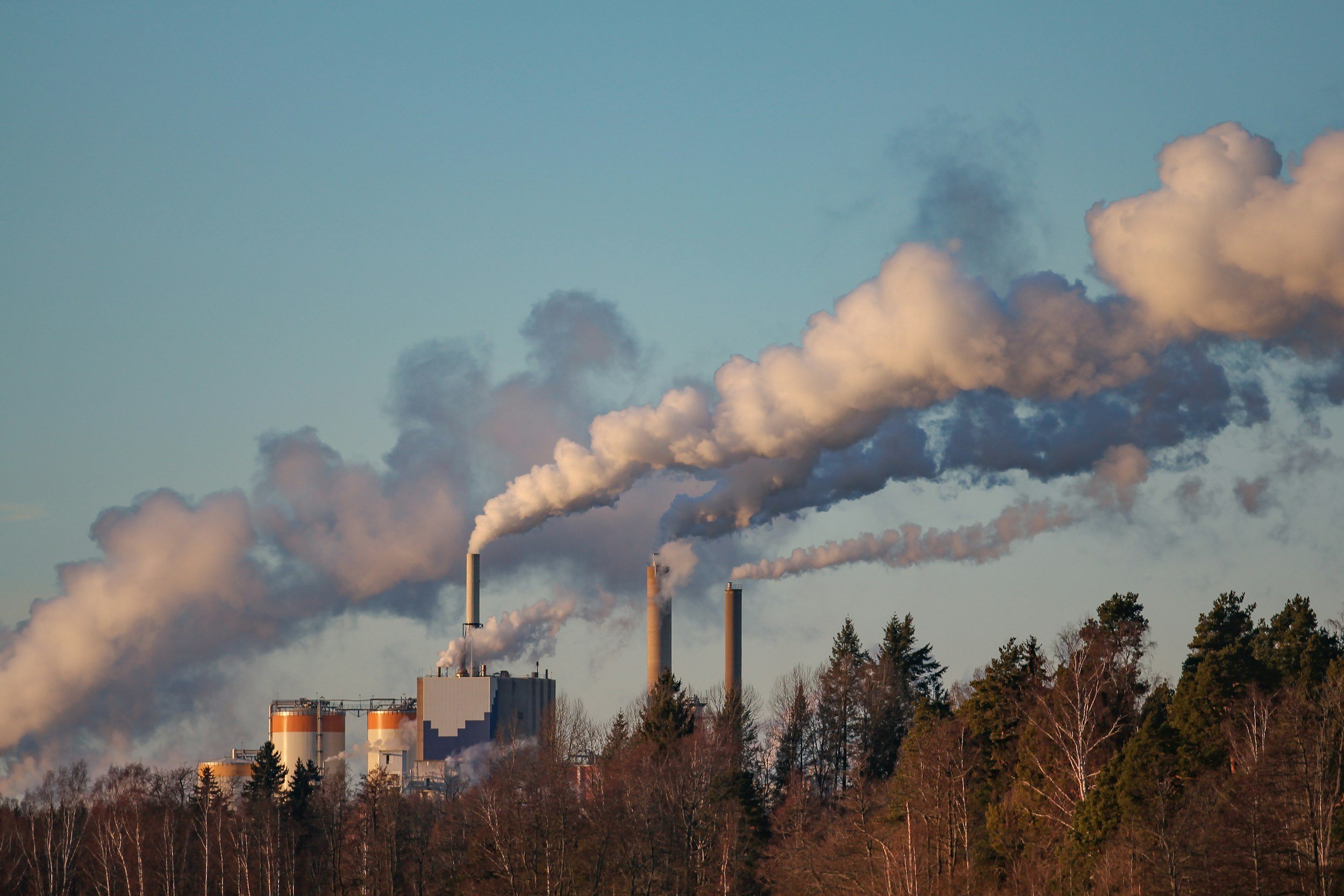
The first is a heightened vulnerability to PTSD through the built environment. Specifically through ambient pollutants like air, noise, thermal, and light. These pollutants will engage the stress response regardless if a person is aware of it or not. Those experiencing poverty will likely live in areas where these pollutants are found in higher concentrations, which elevates their exposure to them and in turn their stress load.
The second is through the psychosocial stressors presented by the experience of poverty, such as homelessness, shelter and food insecurity, financial anxiety, discrimination, and the awareness of one’s own vulnerability.
The third is the more traditional view, which is the experience of a traumatic event. This can be through first hand experience of a traumatic event or witnessing a traumatic event. Poverty exposes people to a wide range of trauma;
Poor people experience a natural disaster such as flooding, hurricanes, earthquakes more acutely. This is a combination of not having the resources to escape the disaster on time, which often means experiencing the death of loved ones or severe injury. They don’t have the resources to restructure their homes/lives after the disaster, which can lead to homelessness or acute home insecurity. It can leave them living in homes that are not adequate; raw sewage, mould, standing water etc. which can lead to further illness or death. Again this exposes people to trauma and in turn to PTSD
Poverty heightens the probability of experiencing societal or structural trauma as seen with the Grenfell tower disaster. Both the direct experience and witnessing loved ones go through such traumatic events can expose people to PTSD.
Finally poverty, prevents people from accessing the adequate levels of help post trauma, which can again heighten the probability of developing PTSD. Even in the UK where healthcare is free, poor people often need more specialist help and resources which the NHS is not equipped to provide.
What we have uncovered in this report is that PTSD’s prevalence rate is rising across urban and rural environments, the common factor being poverty. Poverty prevents people from accessing resources which help shelter against trauma, environmental pollutants, and other psychosocial stressors. In turn this exposes poor people to disproportionate amount of biological stress, dysregulating their stress response, which opens their system to complex disorders and diseases. For this reason, we must look at poverty as a health risk and a biological problem. Sciences like neuroscience could help set new insights and solutions.

RELATED WORK