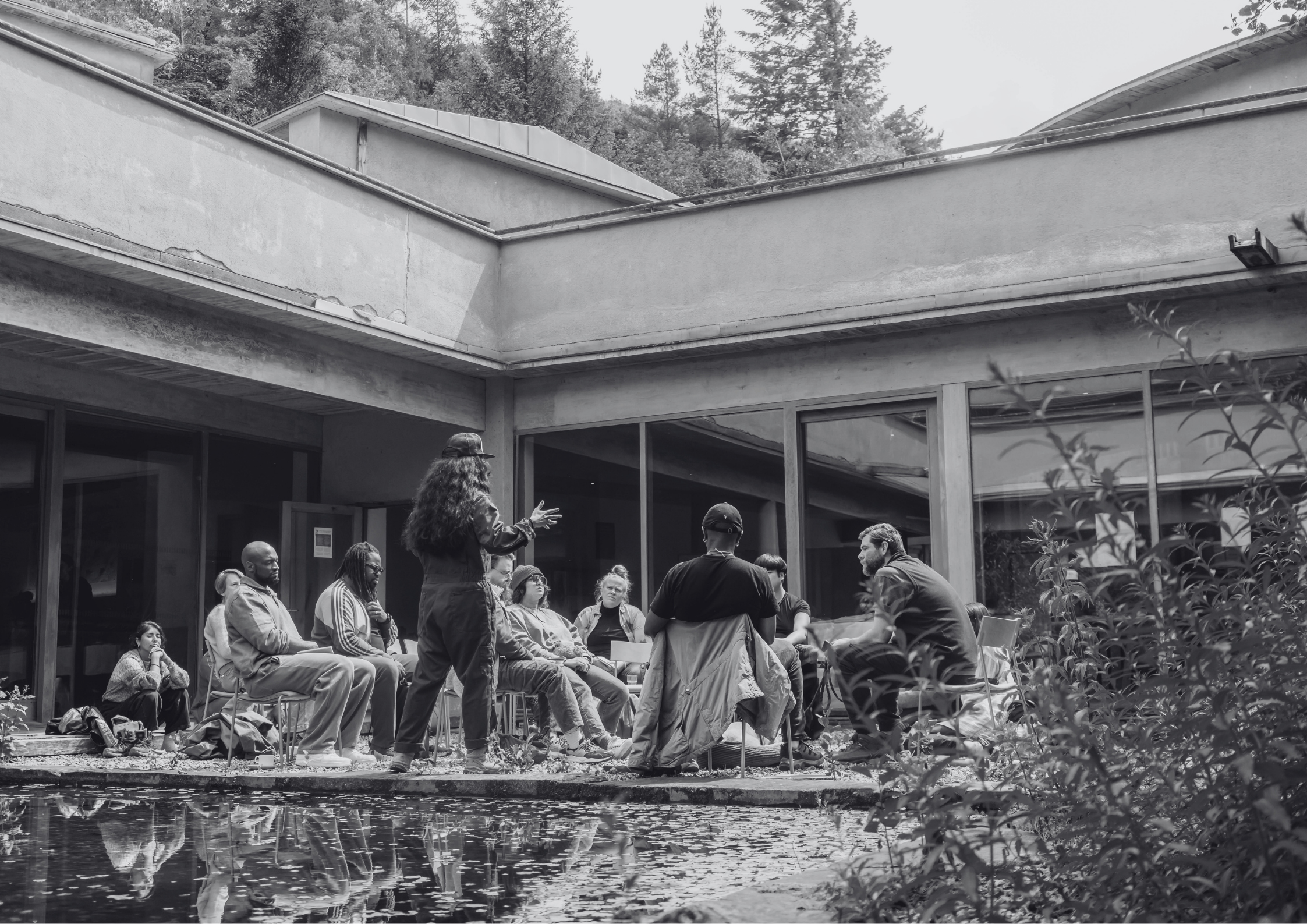
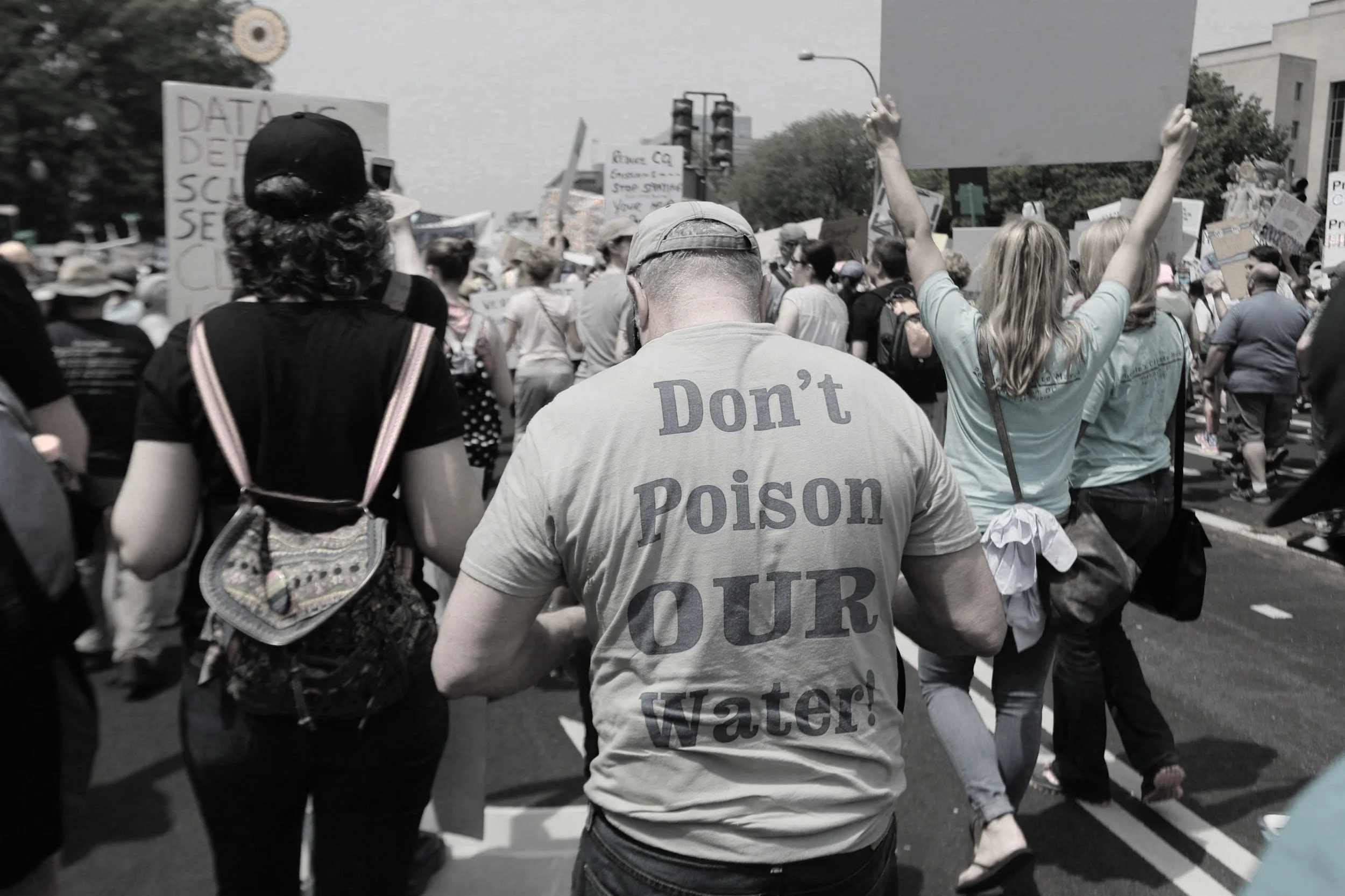
Centric’s Araceli Camargo features in published paper on involving young people for health equity against the fossil fuel industry.
Lab Director Araceli Camargo was a recent named author on a published paper titled Interventions involving young people for health equity targeting the fossil fuel industry’s practices and products: A realist review protocol led by long time collaborator Dr Abi Deivanayagam.
ABSTRACT
The fossil fuel industry’s practices and products create wide‑ranging harms to human health, with disproportionate impacts on communities already affected by structural disadvantage. Young people, particularly adolescents, are among those most affected by these harms, yet they are often excluded from health and climate decision-making. At the same time, youth-led initiatives to counter the fossil fuel industry’s practices and products are increasing globally. Despite this momentum, little is known about what interventions involving adolescents exist, how they work, and under what circumstances they may reduce health inequities driven by the fossil fuel industry. This study protocol aims to address this gap by conducting a realist review to explore how interventions involving adolescents can counter industry practices and products. It takes a structural racism lens to examine how inequities shape both exposure to harm and opportunities for participation. The review seeks to identify relevant interventions, understand the mechanisms through which they produce change, and examine the contexts that enable or hinder their effectiveness.
Read more from us in our ‘Stories & Provocations’ section

Understanding health in this way situates it as a political, ecological, social, and cultural phenomena impacted by systems of power, material conditions, and historical context. This way of framing health is not new, it has deep historic precedent. Socialist Dr W.E.B Dubois in the 1800’s framed poor health outcomes as being a direct consequence of the racialised Black experience. He could be seen as the godfather of the concept “determinants” of health.
Throughout our ten years as a lab, we have observed both how people get sick and how they heal. We have identified social medicine as a key part of the infrastructure of healing. From this point, we will be specialising in providing the necessary infrastructure and support for communities to enact social medicine.
At Centric Lab, we often talk about health autonomy, or health justice being rooted in autonomy. In medical practice, autonomy is often equated with informed decision making of the patient about their own care. It is timely to come back to what these terms mean for us especially. Autonomy, and the discourse around it, is not without its pitfalls and caveats. So why do we need to bring knowledge into the centre of autonomy?
We write these blogs to give a window into some of the internal conversations and insights we have as a team. This is a reflection on the common term ‘indicator’.
At the Centric Lab the topic of agency has been coming up a lot, and how we are coming to understand our work in advancing it as well as understanding the things that strip or challenge it. When we speak to those we work with about what has been ultimately healing in their journeys towards health justice, many share that it is a sense of agency.
In response to the COVID-19 pandemic, Centric Lab leaned into an emerging ontological shift with knowledge production. The result was to set up the Urban Health Council as a means to convene a wide range of practitioners, researchers, and advocates focused on health in cities.
In part two of Ecological Being and Land Relations, Hannah writes about the role of building an infrastructure for relationality that people can have with land; ways to imagine, investigate, and organise around land relations and health.
In this blog, Hannah introduces us to the role of Land relations in the UK, and the world over, as a key determinant of health. Land relations are overlooked, obscured and erased even though they are behind the scenes as a context of everything.
We present pathways, philosophies, and strategies for community-led healing to safeguard against air pollution.
We have created this zine as a framing that helps guide our work moving forward. We understand that this era is presenting health challenges that we have not seen before and perhaps do not have the languages and narratives to describe what is happening. The zine provides a path towards health reparations and a set of guiding contemplations.
Our understanding of ecology is not only the relationships within the natural environment, ecology is also the social, political, economic and cultural systems that were formed from histories of extractivism and domination.
“Knowledge cannot be found in just one Institution, everything carries knowledge, bodies, emotions, Peoples, Land” - Nina Rivera
A write up from our 2024 Symposium of what’s taking place within the Centric Lab ecosystem.