
Research Archive
This research library has been created over years in partnership with various researchers, communities, and organisations. This library is a site of living knowledges; a realm where knowledge finds a sanctuary to flourish, evolve, and expand beyond the confines of conventional repositories. It is a dynamic space dedicated to storing and nurturing knowledge in a manner that allows it to adapt, transform, and grow with the passage of time. Every piece of information is treated as a seed, capable of germinating, branching out, and cross-pollinating with other ideas.

Equitable Urban Mobility
This report is for those working in transport planning and in policy and who are interested in understanding the link between equitable mobility and health. This report will lay out the need for equitable solutions around transport, how health is related to mobility, and a breakdown of equitable mobility zones.

Rethinking Urban Regeneration for Health
We propose that to stop urban inequity our understanding of what regeneration means needs to evolve from one that is capital driven and spatially focused, to one that is health driven actively targeting the environmental, social, and governance barriers to health.

Place & Health
This report will focus primarily on the role of the built environment because practitioners have a significant influence on the ability of citizens to build healthy relationships between health and place.

Gaslighting Communities: Pathways to Injustice
In this essay, we will be detailing the pathways of oppression, including the role that science, policy, and city organisers play.

An ecological definition of health through the stress response
A stressor is defined as a novel threatening environmental agent that alters the baseline human biological system in either of two ways: bringing the system to an unstable biological state, or slowing down the system’s internal response so that it cannot reach equilibrium.
Symbiotic Living with Nature
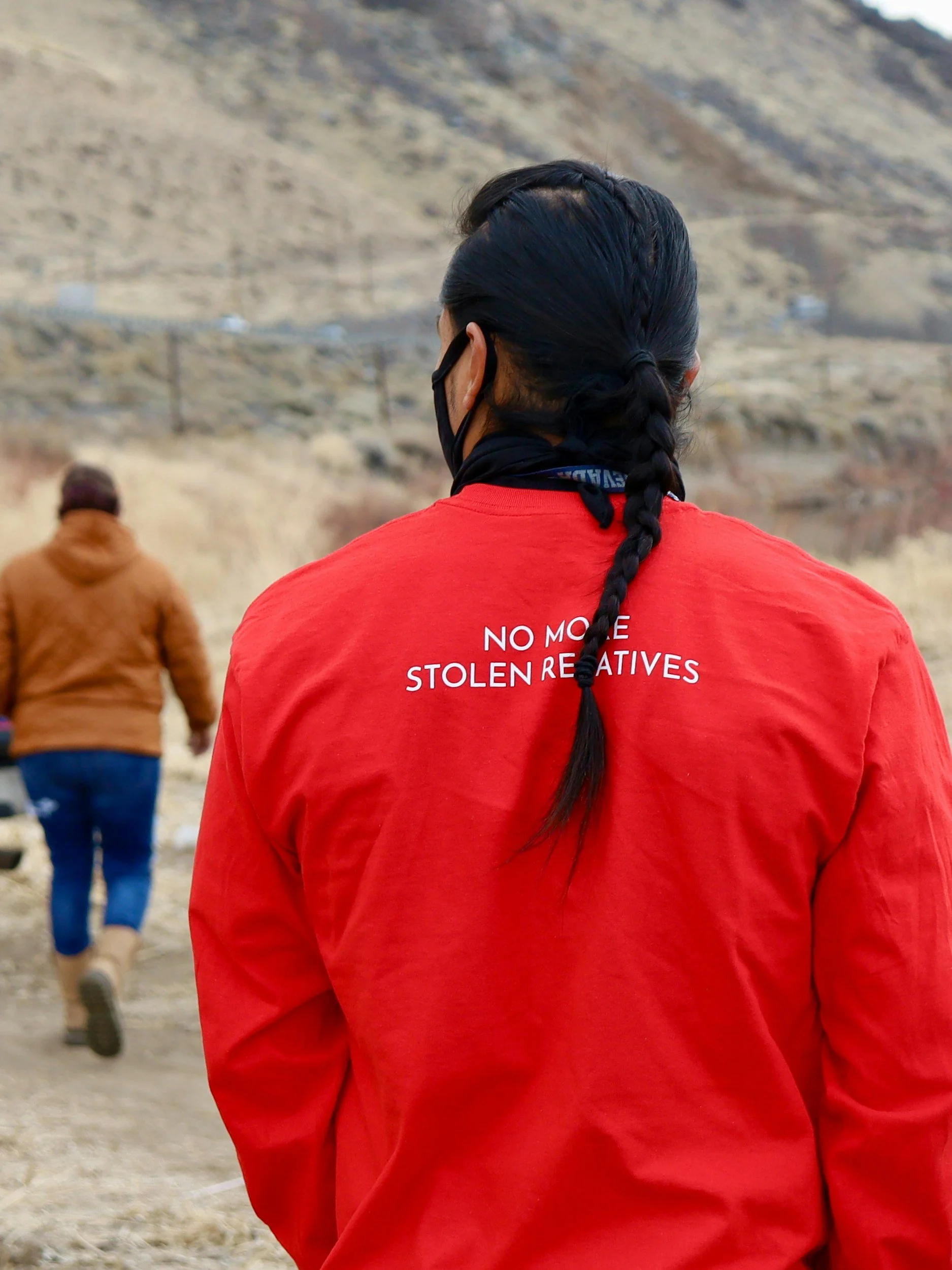
In this report, we define symbiosis as a long-term biological and philosophical interaction between Humans and Nature that is mutualistic and obligate.

Nature is Healthcare
In this report, we will highlight the major role that Nature plays in our health. We highlight that we cannot live healthy lives without healthy Nature and argue that, for healthy People and a healthy Planet, we must stop treating Nature as a service or commodity.

Covid-19 & its Relationship to Air Pollution
In the context of Covid-19, air pollution presents a particularly insidious hazard given that the disease affects respiratory and cardio-vascular systems.

Obesity, Classism and Racism
There are various problems with targeting a community based on their race, specifically in the context of health. To say “Black community” or “Indigenous Community” is a misnomer as it doesn’t see the person to place relationship, which is essential to understanding health.

Air Pollution, Susceptibility, and COVID-19 Learnings
In any given area, there will be people who are suffering greatly from the consequences of air pollution whilst others may not see any consequences. This phenomenon is worth understanding, rather than dismissing it as not statistically significant.

COVID-19 & Biological Inequality; a London Data Study
This paper looks to approach the inequitable prevalence of COVID-19 from a biological perspective, drawing a clear throughline between human health and urban environments. Specifically, its relation to COVID-19 in BAME communities of London.
Air Pollution & Health in Southall, London
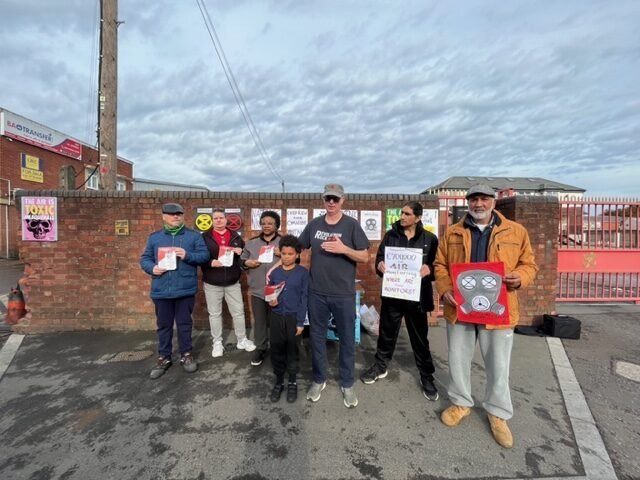
This report is the result of a co-designed and produced community-led scientific study highlighting the susceptibility of the Southall community and the need for stricter air pollution guidelines.

Impoverished Neighbourhoods & PTSD
PTSD is growing in urban environments and its prevalence is disproportionately higher within impoverished neighbourhoods. Our research question is: are some urban environments so inadequate they can cause physical and psychological trauma?

Responding to the UK Government’s Consultation on the NPPF
This paper sets out Centric Lab’s responses to questions and policy changes proposed changes to the National Planning Policy Framework on 30 July 2024. It included questions and proposed changes on a number of topics, which have implications for people’s health and wellbeing.