
To mark 10 years of Centric Lab we exhibited a showcase of the highlights of our journey so far at House of Annetta. We showed the macro retrospective narrative arc that we have been working through during this time, beginning with the understanding that we are living in Planetary Dysregulation, a framing of the climate crisis that more accurately frames our health in intrinsic relation to planetary health.
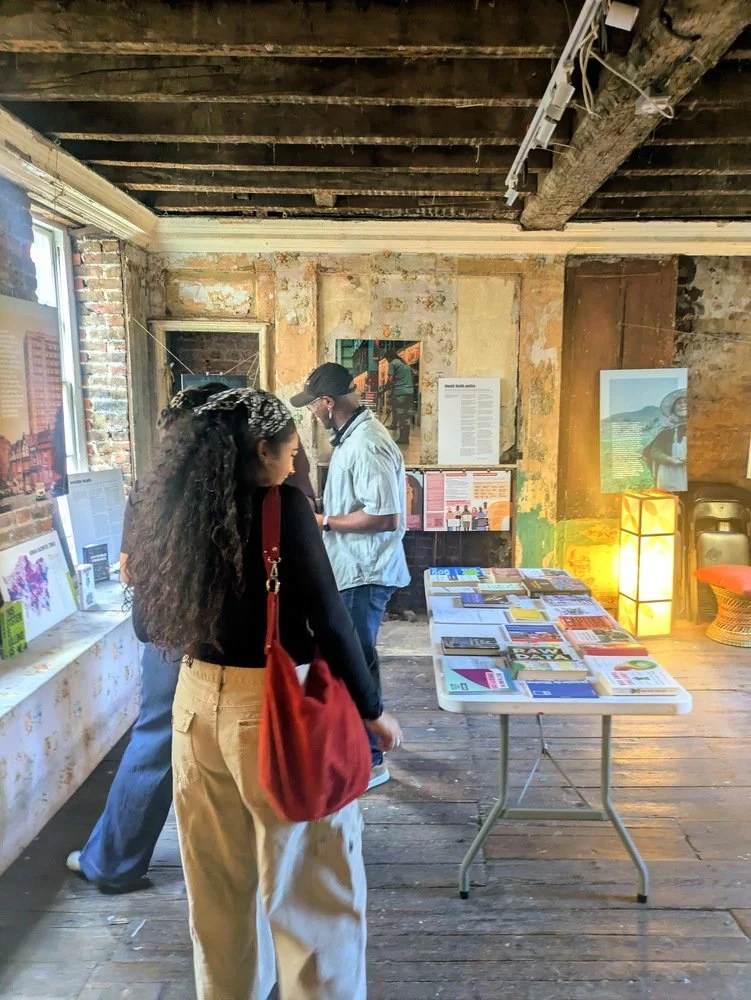
In sharing our work on Planetary Dysregulation, we showed through many maps how this manifests spatially in the form of Urban Sacrifice Zones, creating what we call Biological Inequities where people are at disproportionate risk to developing health conditions shaped by their environments. We showed this through our collaborative work with Dr Jake Robinson on Invisible Health, and we can reframe our relationship to air, and therefore the pathways to resisting air pollution.

Data Visualisation of London from the body of work titled ‘Urban Sacrifice Zones’
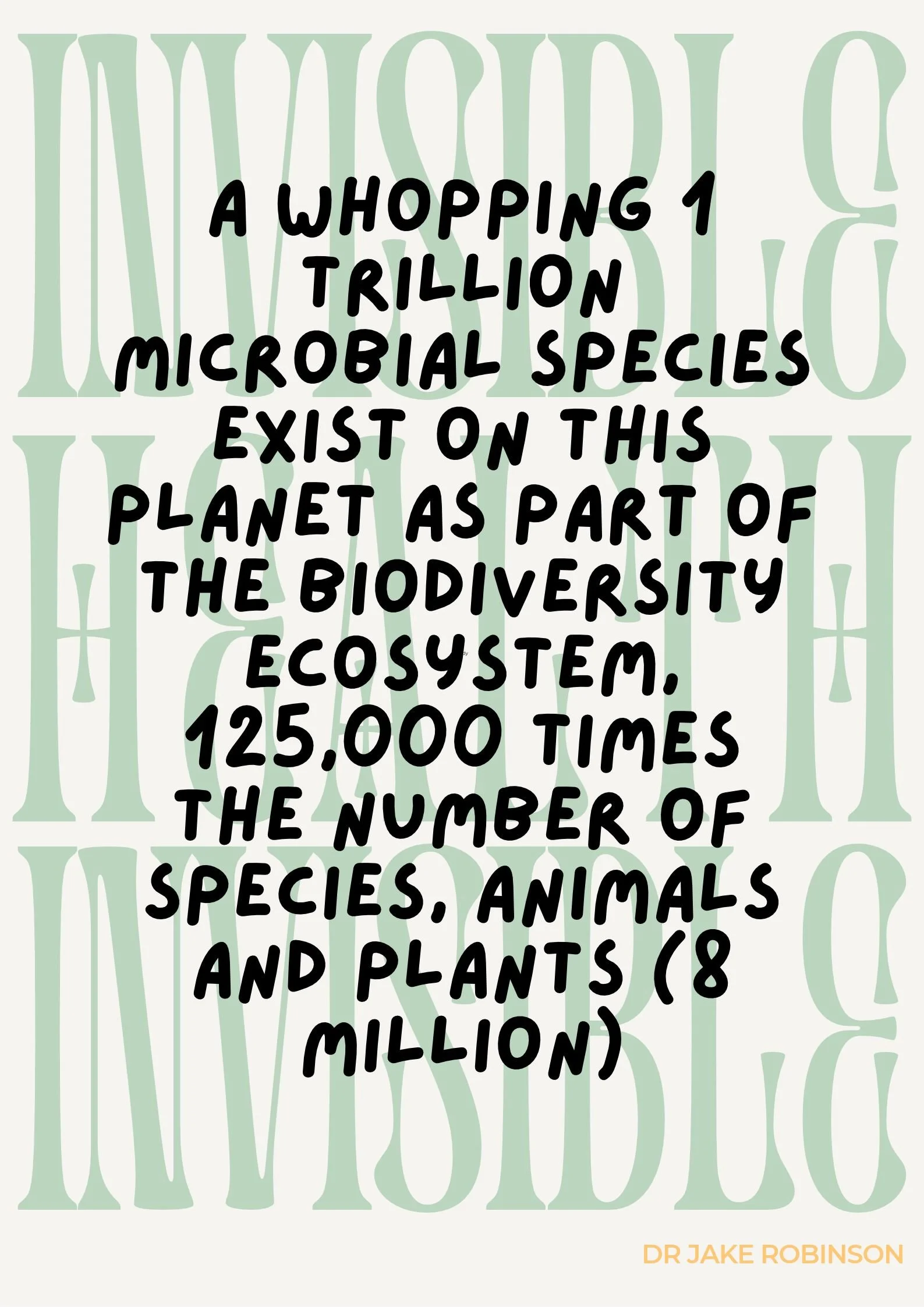
A special poster using a quote from Dr Jake Robinson’s work ‘Invisible Health’
From here in the exhibition, we moved from how this shows up in place to how it shows up in the body, illustrating what we understand to be Ecological Health, how dysregulation in our environments are reflected in our bodies. This was demonstrated through our work on Obesity Justice, which shifts the harmful individualised narrative of the condition into an environmental and sociopolitical one.
Building on this example of the throughline between our health and that of the environments and systems around us, we moved on to asking what could the alternatives be? We showed how in our work at Centric Lab we have explored both the determinants of ill health, as well as the potentials for health and healing. This led us to showcase the work of Dr Nataly Allasi Canales’ Rooting our Liberation, where she showed the alternative to extractive and supremacist relationships to land, what it takes to build this relationship with the land and more than human kin, and that survival and health depend on this kinship.
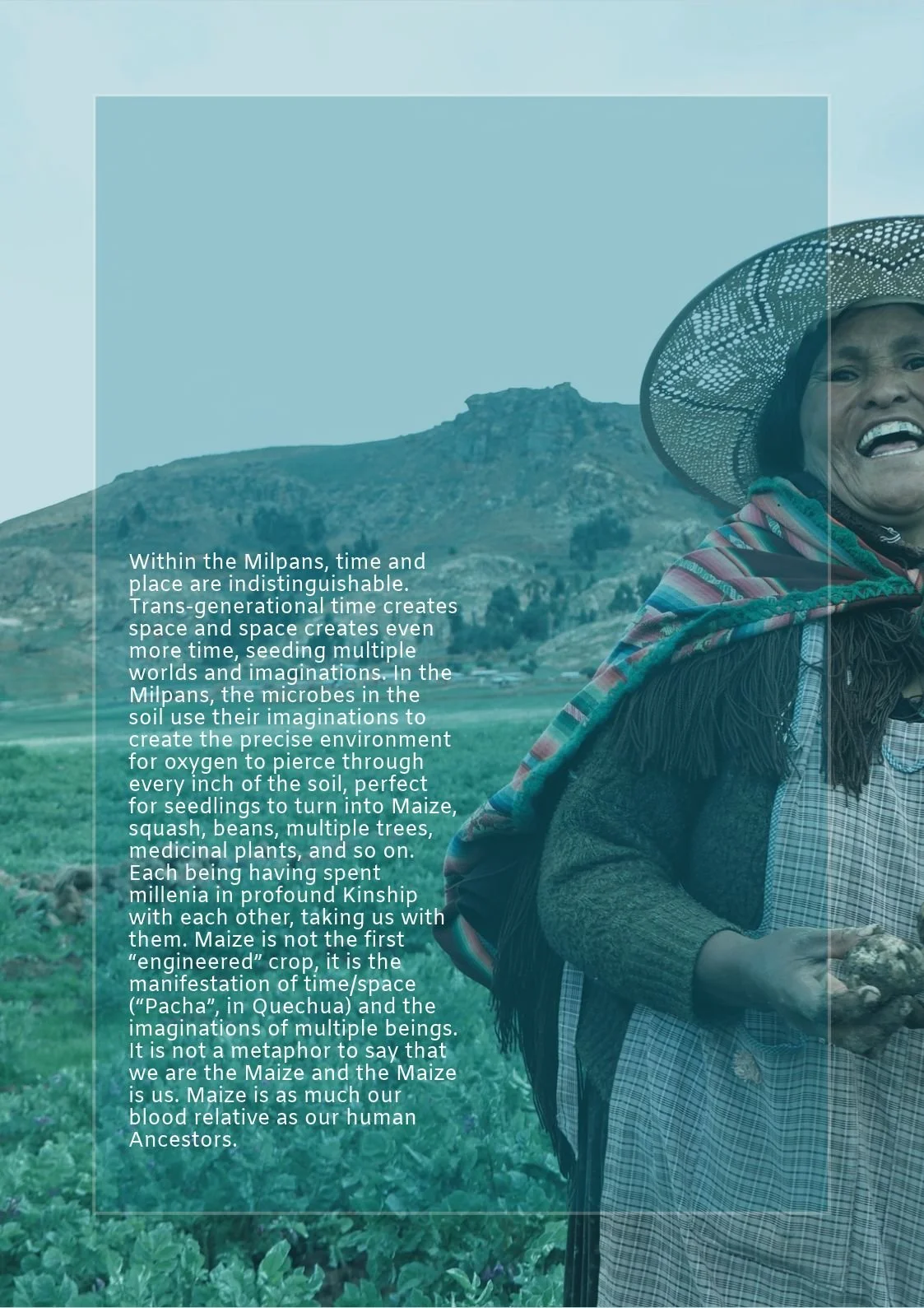
We asked the question,
how are we to understand these relationships? What stories need to be told so that we can reckon with how our health and the planet is tied?
The purpose of relational reframing is further exemplified in Grace Carson's work on Relational Lore which we shared as an example of what internalised frameworks we need to challenge to come into relationship. Across our work we have explored this through the role of data as both a way to create understanding as well as to inform decision making. On creating this understanding through data we showcased the various tools and programmes we have developed at Centric Lab over the years such as Community Health Impact Assessment, Air is Kin, pamphlets to support conversations with your GP, Community Air Monitoring Guides etc.
We also ran an evening workshop to put this framing of Planetary Dysregulation into practice. We asked what does it mean to stay in kinship and prepare our communities in the face of disaster and rapid change? We told stories from the summer just past about how we found safety in community during heatwaves, floods and fires.

A picture from one of two workshop groups.
Our workshop involved breaking down what preparedness for health looks like, we explored how kinship requires understanding, and that understanding expands beyond the self to our neighbours, our knowledge, our skills, our buildings, our places.
We heard examples of preparedness from co-living communities, rural, coastal as well as dense urban communities. Across all of them we learnt that our greatest level of preparedness and agency lies within the relationships we have in place, and questioned what tools and processes are we developing and using to practice these relationships.
Ultimately, this is a step towards a deeper relationship with our environment and the land, and this is where healing begins. The summary of our workshop from a participant can be seen below.
Our 3 key takeaways from the workshop.
Preparing for a crisis also means getting to know and protecting the natural systems that are already in place to protect us - wetlands, rivers, floodplains, etc.
Co-creating community responses to extreme weather events goes beyond surviving them but towards building another world, we can heal when we create together beyond survival.
To be conscious of the tendency towards hoarding even on the individual and community level, as the hoarding of resources is part of the supremacy system that has gotten us here.
Thank you to the 100+ people that passed through House of Annetta and engaged with our exhibition, and thank you to the group we workshopped with to see how this lab works in action. This was a step into the workings and journey of Centric Lab. Our next moment of gathering is at our Health Justice Summit in November, an intimate gathering for those actively engaged in advancing health justice.