
Module 2 - Pathways to Health Injustice

MODULE 2 |
Introduction
WHO THIS MODULE IS FOR
This module is for people who are interested in building on what they’ve learned in module 1, adding depth and to learnings about variability in experiences and thus health outcomes.
!TRIGGER WARNING!
This module covers issues of injustice, racism, trauma, gender discrimination, and PTSD. Please prepare yourself or chose not to engage with the material. The material has been presented in good faith and in context to health outcomes rather than any exploration of the topic on sociological terms.
KEY LEARNINGS FROM MODULE
What is susceptibility and why do factors such as racism and classism increase it?
What is environmental injustice?
A reframing of climate change that addresses the root causes rather than the outcomes.
WHAT TO EXPECT FROM US
This module is relatively introductory and offers routes to further learnings. We are presenting big topics in small contexts and in relation to health. They are not intended to be complete learnings of a topic but a grounding in their relationship to health outcomes and how to navigate the topic when it arises in your own work. If you have a question or want to discuss a particular factor further please email us at ecohealth@thecentriclab.com.
WHAT’S COVERED
LESSON 1
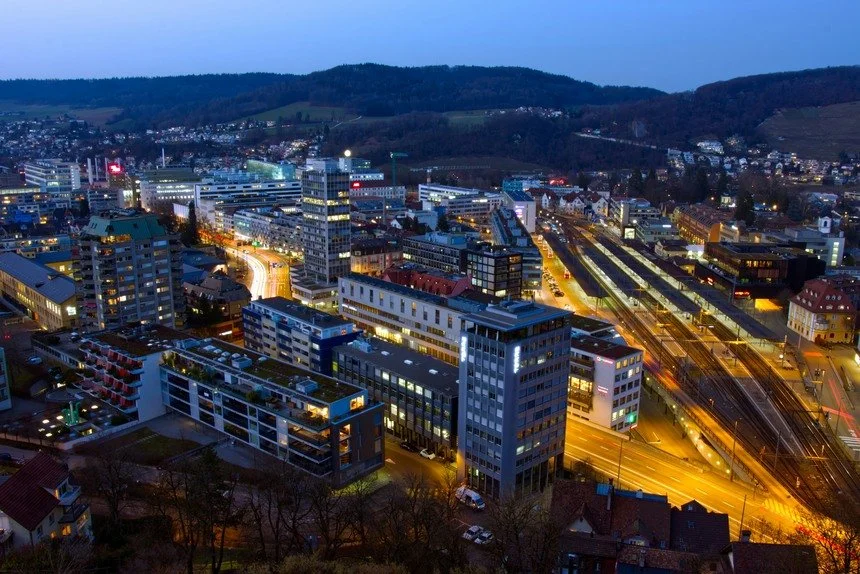
UNDERSTANDING SUSCEPTIBILITY
Susceptibility is the effects of biological inequity on the human immune response, specifically the fact that persistent environmental stressors on a community place these individuals at a heightened risk of developing severe symptoms and chronic illnesses compared to a normative population, not exposed to significant stressors.

LESSON 2
STRUCTURAL VIOLENCE
Norwegian sociologist, Johan Gultang, introduced the term structural violence in the 1960s to describe the outputs of racism, classism, sexism, and other marginalisations. He defined structural violence as an “avoidable impairment of fundamental human needs”.

LESSON 3
GENDER(ISM) & HEALTH
We are proposing that, as part of an ecological approach to health, we consider how gender plays a role in the exposure to endocrine disruptors and other stressors. In understanding this we can consider wider preventive healing strategies that are more robust and ecological (e.g., better work rights to ensure that racialised women are not exposed to harmful chemicals or forced into constant shift work).

LESSON 4
RACE, RACIALISATION, AND RACISM
There are various problems with targeting a community based on their race, specifically in the context of health. To say “Black community” or “Indigenous Community” is a misnomer as it doesn’t see the person to place relationship, which is essential to understanding health.
LESSON 5
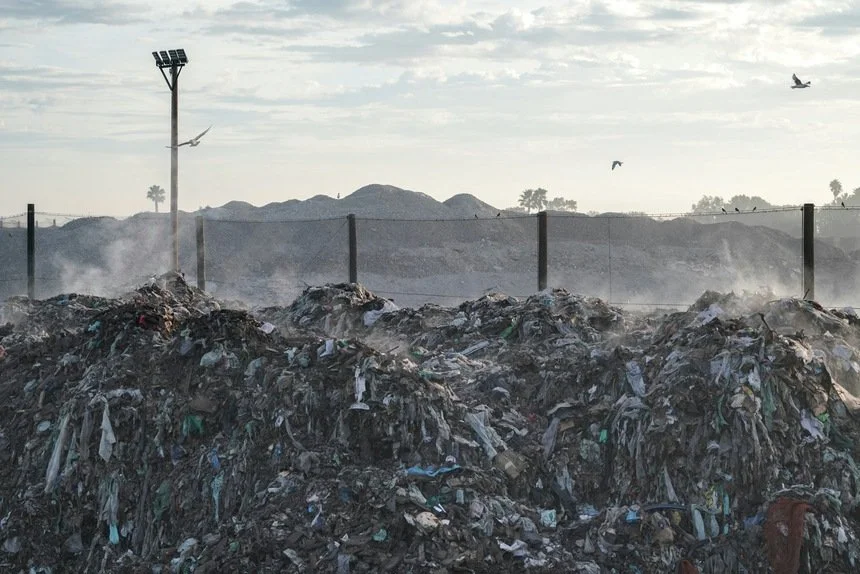
ENVIRONMENTAL INJUSTICE
Environmental injustice is a form of social injustice and can be defined as the disproportionate exposure of certain populations, including ethnic minority populations and people living in poverty, to environmental hazards.

LESSON 6
THE PLANETARY DYSREGULATION
Susceptibility is the effects of biological inequity on the human immune response, specifically the fact that persistent environmental stressors on a community place these individuals at a heightened risk of developing severe symptoms and chronic illnesses compared to a normative population, not exposed to significant stressors.