
Module 2 - Pathways to Health Injustice
MODULE 2 | LESSON 5
Environmental Injustice
INTRODUCTION
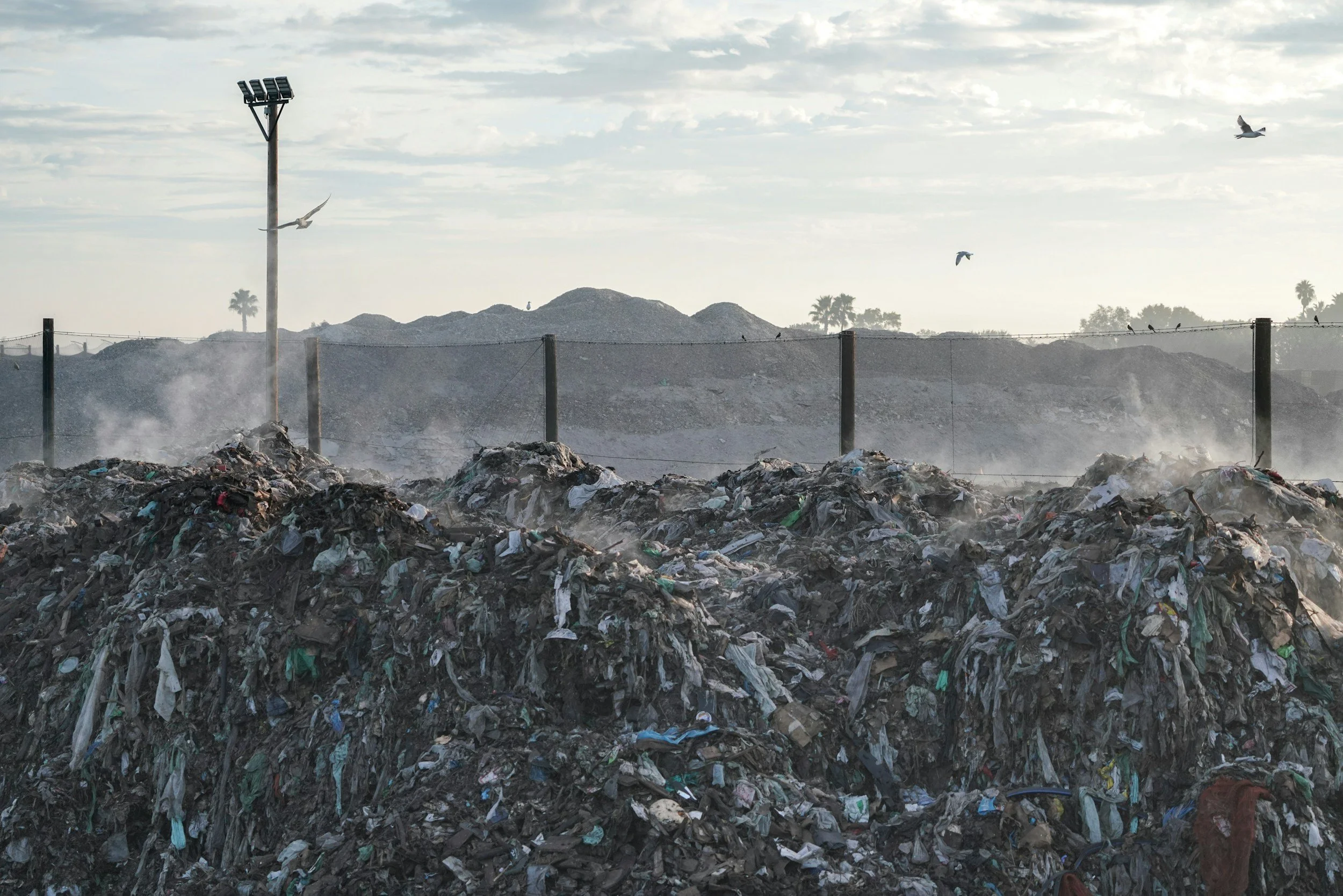
Environmental injustice is a form of social injustice and can be defined as the disproportionate exposure of certain populations, including ethnic minority populations and people living in poverty, to environmental hazards.
Environmental justice is a social movement to address the unfair exposure of poor and marginalised communities to harms from hazardous waste, resource extraction, and other land uses. The origins of this movement lie in the USA in the early 1980’s in Warren Country, North Carolina. Protests in 1982 in opposition to hazardous waste landfill designated to be placed upon a small African-American community; the protests sparked the mobilisation of communities across the US to combat unfair distribution of hazardous waste treatment, storage and disposal sites amongst vulnerable BIPOC communities. In Louisiana there is an area now dubbed ‘Cancer Alley’ due to the disproportionate rates of cancers being developed, an area that also happens to have the highest concentrations of petrochemical facilities in the USA.
These areas are more often than not are populated by multi-ethnic working class communities, with a heavy emphasis on those racialised as Black, Brown and Indigenous. Intentional or not, the outcome leads to certain areas and their communities being over contaminated and “sacrificed” for the sake of capital growth.
This behaviour is practised across the Globe where governments allow for the pollution of local environmental systems in the name of economic development brought by foreign national companies, pollution is therefore a form of colonialism and imperialism.
Learning Points
-
The experience of environmental injustice - being aware that one is exposed to high levels of pollution not randomly but systematically - is another psychosocial pathway linking air pollution to health. Air pollution as a psychosocial stressor is a significant pathway to poor health outcomes, yet it is understudied. This lack of scientific knowledge is important to understand the full ecological scope of air pollution and how it contributes to the onset of mental health illnesses such as PTSD, depression and anxiety.
There is a need to understand how psychosocial factors of air pollution interact and amplify physiological symptomology. When a community is faced with an air pollution incident, i.e. a site polluting their neighbourhood, they have to fight their case based only on the physiological experience. This ignores the mental burden that many communities face, which is often the first and most long-lasting consequence of air pollution exposure.
After an air pollution or environmental hazard is removed, the mental toll of facing the injustice and often the death of loved ones can leave many in the community with long lasting effects such as anxiety, depression, PTSD, digestive issues, insomnia, or even chronic fatigue. This is not discussed in depth in the scientific literature or when addressing air pollution policies.
For more on this topic please read this report.
-
In their work "Pollution is Colonialism" Dr Max Liboiron identifies the mechanics of a permission-to-pollute system as follows;
"A core scientific achievement in the permission-to-pollute system was the articulation of assimilative capacity - the theory that environments can handle a specific amount of contaminant before harm occurs".
Assimilative capacity also extends to humans and to other-than-human Kin. The problem with this mental understanding is that it fails to have an ecological or justice lens. It also does not consider ethics - why should environments be contaminated?
Finally, this mentality influences international law, including in the UK. This gives legal rights to industrial polluters that allows them to contaminate us and other-than-human Kin without consequence.
-
The working wikipedia definition of a Sacrifice Zone is a geographic area that has been permanently impaired by environmental damage or economic disinvestment. However, such an expanse and non-specific definition causes two problems. Firstly, it allows for legal disputes over what is meant by “impaired” and “permanently”. These disputes often exist between what a legal firm instructed by a corporation defines as impaired or permanent and how a community abolishing injustice defines these terms based on their everyday lived experience.
Secondly, it means that policy and legality only is concerned when the bad thing is an extreme case. This leaves communities unable to seek justice at those first instances of poor health outcomes. In this report, we are proposing the use of geospatial and physiological data to create a more specific working definition of “Urban Sacrifice Zones”, one that will allow communities to hold industrial polluters accountable at “first harm” or as close to “first harm” as possible.
We define an Urban Sacrifice Zone as a geographic region, occupied by people, where deprivation intersects with sites of pollution. We argue that people’s biological systems are being permanently impaired by the pollution and disinvestment in capacities for people to lead dignifying and healthy lives.
To read more on Urban Sacrifice Zones, click here.
-
US Environmental Justice policy was a response to grassroots civil society action. In contrast, environmental justice policy in Europe, which developed later, is more a response to intergovernmental agreements on human rights, increasingly seen as a mechanism for achieving environmental sustainability.
The Natural England report The Messy Challenge of Environmental Justice in the UK provides an insight into the need for change:
“Environmental inequalities in the USA led to EJ [Environmental Justice] legislation and a national government body to champion EJ. The UK has developed credible evidence of environmental inequity, yet governmental response has been weak. Progress towards EJ has been slower than many hoped for given the political support of the early 2000’s”
By comparing the two approaches we can make the argument that without a grassroots and lived experience centring, environmental justice efforts are less impactful. In order for a more accurate understanding of environmental injustice in the UK greater emphasis needs to be on creating pathways for communities and those with lived experiences to lead.
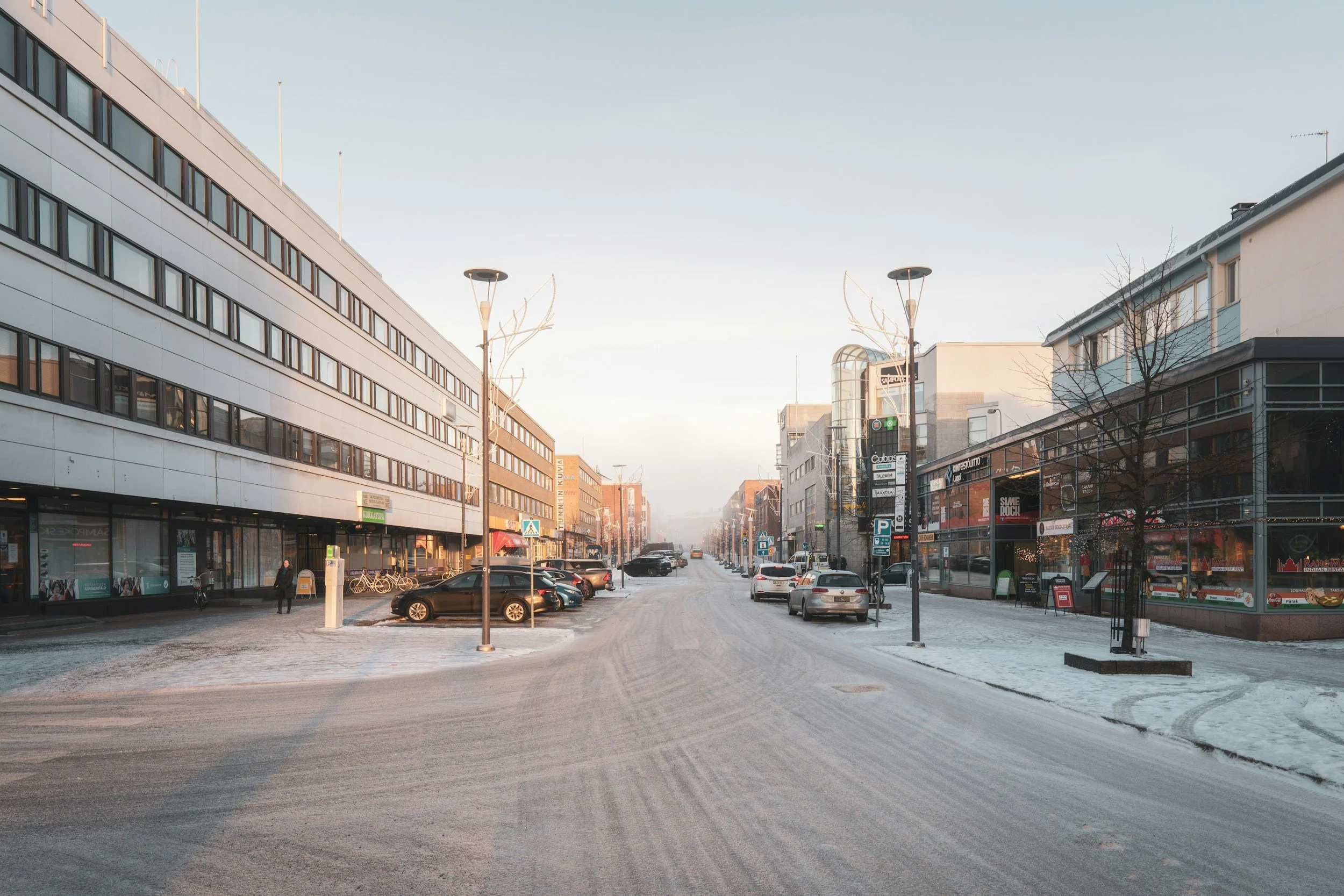
“Air pollution as a psychosocial stressor is a significant pathway to poor health outcomes, yet it is understudied. This lack of scientific knowledge is important to understand the full ecological scope of air pollution and how it contributes to the onset of mental health illnesses such as PTSD, depression and anxiety.”
KEY LEARNINGS
Air pollution as a psychosocial stressor is a significant pathway to poor health outcomes, yet it is understudied. This lack of scientific knowledge is important to understand the full ecological scope of air pollution and how it contributes to the onset of mental health illnesses such as PTSD, depression and anxiety.
There is a school of thought that natural bodies (human/water, etc) can withstand a certain level of pollution and maintain regular functioning; this is called "assimilative capacity". This was designed in the 1930s by two North American engineers under the guidance of vested interests that helped create a permission-to-pollute framework. This created a false scientific framing that legitimised the idea that pollution was okay up to a certain level without any impact.
An Urban Sacrifice Zone as a geographic region, occupied by people, where deprivation intersects with sites of pollution. We argue that people’s biological systems are being permanently impaired by the pollution and disinvestment in capacities for people to lead dignifying and healthy lives. This term and framing puts emphasis on those who govern these places to act in the interests of their constituents.
CONSIDERATIONS AND REFLECTIVE QUESTIONS
Do you think the language of disadvantaged places used in the media/public imagination is correct? Do some internet searches and consider whether language that accurately reflects the conditions could have been used.
How might you consider to help rehabilitate a place that is experiencing environmental injustice or be an urban sacrifice zone?
Thinking beyond the hard infrastructure, what human and social services might be needed to support people becomes healthy again?