
Module 1 - Ecological Health

MODULE 1 |
Introduction
WHO THIS MODULE IS FOR
This module is for everyone interested in learning more about how the environments around us influence our health. The module is split into 6 lessons plus a light exercise to wrap up. We hope through this module that you gain a solid foundation in seeing how different environments and systems, and their behaviours and designs, influence the broader conversation on health. We’ll cover topics such as pollution and biological stress as well as the role that data has in contextualising and communicating our health. Each lesson ends with some key takeaways and some questions to ask yourself so be sure to have a pen and paper or notetaking app with you and this will help you learn on your journey.
KEY LEARNINGS FROM MODULE
How stress can occur in the body from interactions with the environment and its systems.
How the collection, context, and communication of data relates to health.
A tension that exists between medicine and science when it comes to health.
WHAT TO EXPECT FROM US
This module is relatively introductory and offers routes to further learnings. We are presenting big topics in small contexts and in relation to health. They are not intended to be complete learnings of a topic (nor medical advice) but a grounding in their relationship to health outcomes and how to navigate the topic when it arises in your own work. If you have a question or want to discuss a particular factor further please email us at ecohealth@thecentriclab.com.
WHAT’S COVERED

LESSON 1
WHAT IS ECOLOGICAL HEALTH
At the core of our work is understanding what health means - what does it mean to be healthy?

LESSON 2
STRESS, POLLUTION, & HEALTH
Stress is a natural process. However, modern life has brought with it a state of being in chronic stress. The key problem is that the human body is designed to be able to withstand a small amount of stress, not a chronic amount. When this occurs, an otherwise normally functioning biological systems starts to dysregulate and lead to health complications.
LESSON 3
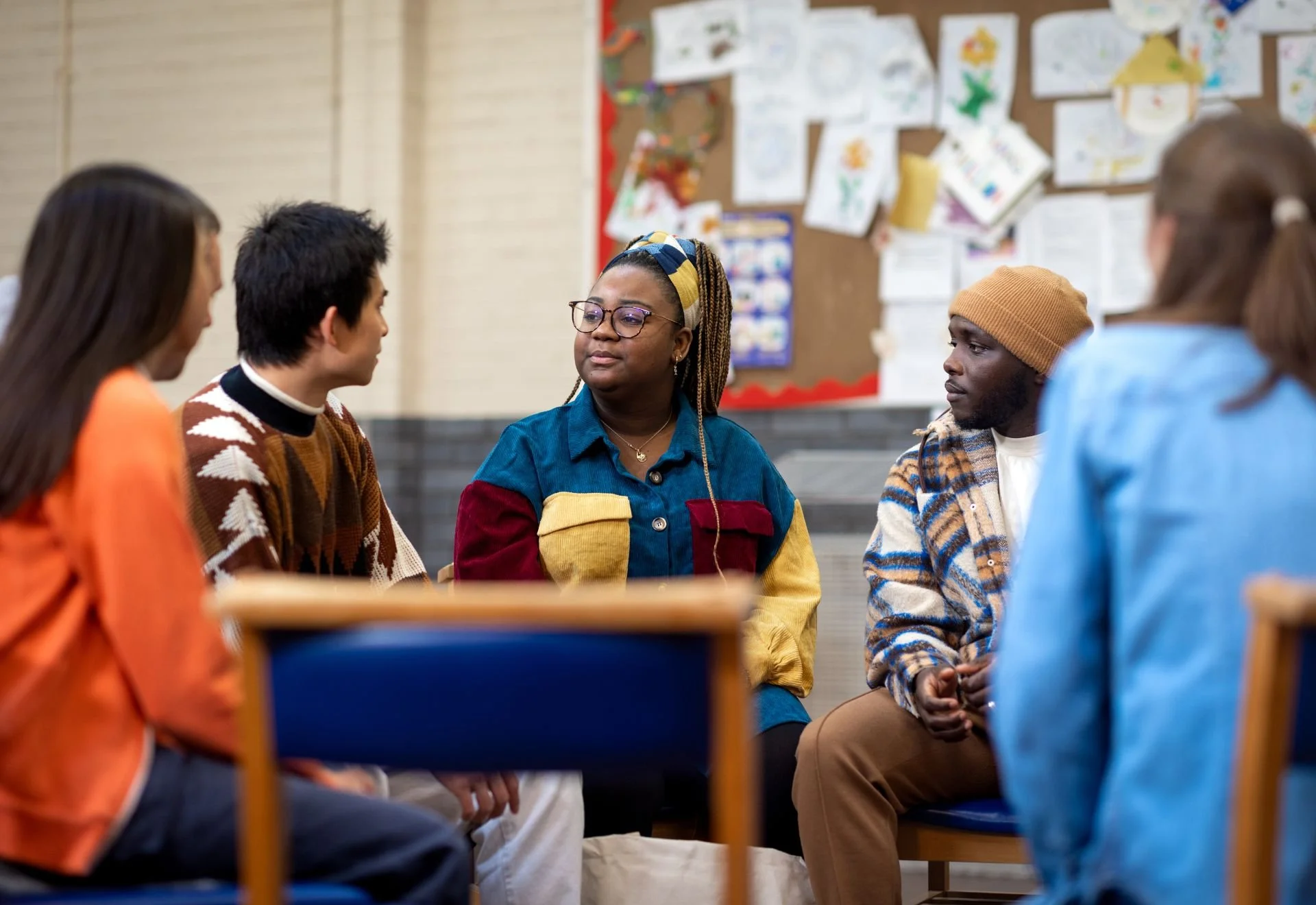
DEFINING COMMUNITY HEALTH
The lived expertise of all the individuals of a given community is what we define as community expertise -- that great, invaluable, communal knowledge, understanding, and insight.

LESSON 4
HEALTH & OUR ENVIRONMENTS
We live in multiple environments: natural, social, built, economic, and political. These environments have an influence on our health. They can contribute to our exposure to environmental stressors such as pollution or psychosocial stressors such as marginalisation and safety fears.

LESSON 5
DATA & COMMUNITY HEALTH
Data is a powerful tool for justice and language for accountability. The United Nations describes data as the “lifeblood of decision-making and the raw material for accountability.” However, data can easily be manipulated and used to entrench inequities. This area of work explores how data intentionally used for health justice considers the human-societal factors.

LESSON 6
MEDICINE, SCIENCE, & HEALTH
Taking an ecological approach to health necessitates the idea that the state of health is the result of a constant negotiation between the human and their environment. It positions that we can only be healthy when the systems around us are healthy, these include the natural environment as well as the social, built, and economic environments.
LESSON 7
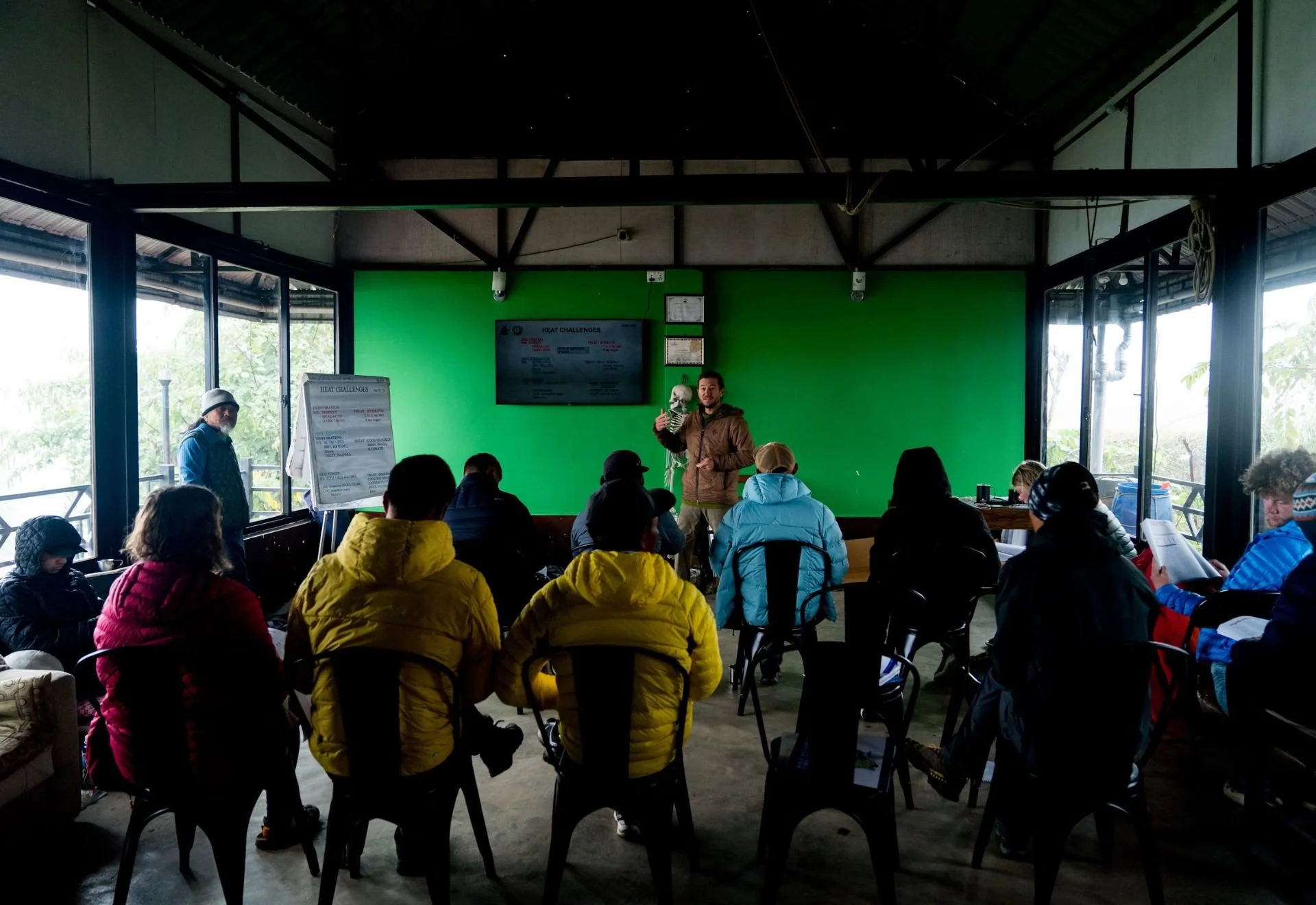
WORKING ON HEALTH IN YOUR COMMUNITY
The topic of health touches on experiences that are likely to be difficult and painful to talk about, it is where the injustices and harms done in society are manifest in people’s physical and mental health, therefore it is important that you and your group take care in the process.